Dry Weather Sewage Spills Rise to 7,280 in Early 2026
England and Wales recorded 7,280 suspected illegal dry weather sewage discharges in the first five months of 2026, raising environmental and regulatory…
Lauren Collins ·
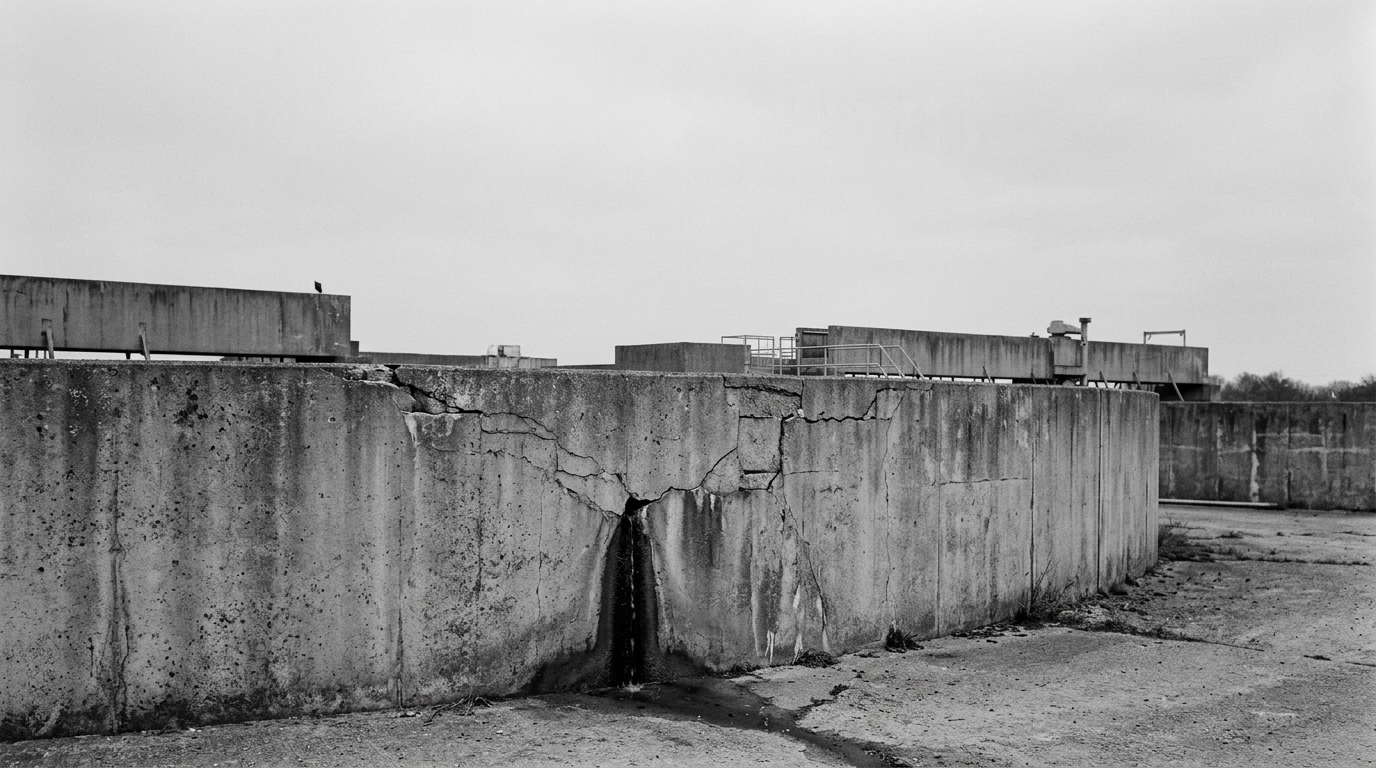
Water utilities in England and Wales reported 7,280 suspected instances of illegal sewage discharges during dry weather conditions in the initial five months of 2026. These incidents, occurring without significant rainfall, potentially violate environmental permits and regulatory benchmarks established for these companies. The figures indicate a concerning trend where combined sewer overflows, originally designed for emergency use during heavy storms, are increasingly activated during prolonged dry periods.
This pattern suggests possible underinvestment in essential infrastructure and a potential failure to comply with environmental mandates. Dry weather discharges are particularly problematic because they lack the natural dilution rainwater provides, leading to a much higher concentration of pollutants and increased toxicity in affected waterways.
Regulatory Scrutiny Intensifies
The regulatory oversight of these incidents is currently facing significant examination. Critics argue that present enforcement mechanisms are inadequate to deter these potentially illegal practices by utility companies. This situation is contributing to heightened public and political pressure for greater accountability from water operators.
Industry spokespersons, however, have stated that the reported figures are currently unverified and require thorough data validation. Despite this, the high frequency of reported spills poses considerable reputational and legal challenges for the involved utility companies, indicating elevated future institutional exposure.
Long-Term Infrastructure Challenges
The persistent reliance on outdated overflow systems is likely to necessitate an acceleration of capital expenditure. This investment will be crucial for companies to meet government-mandated reduction targets for sewage discharges, which are set for 2030. The environmental permits issued to water companies typically allow for discharge only under specific conditions, often related to extreme rainfall events, to prevent system overload.
The broader context involves decades of underinvestment in the sewerage network, where an aging infrastructure struggles to cope with population growth and changing weather patterns. Environmental groups have consistently highlighted the ecological damage caused by raw sewage in rivers and coastal waters, including harm to aquatic life and risks to human health. Resolving this issue will require substantial financial commitments and stringent regulatory enforcement to modernize the water treatment and distribution infrastructure across the region.
Addressing Environmental Concerns
The legal framework surrounding environmental protection mandates that water companies operate within strict parameters to minimize pollution. Breaches of these permits can lead to significant fines and other penalties. The ongoing debate centers on whether the current penalties are sufficient to incentivize compliance or if a more robust regulatory approach, potentially including criminal investigations or higher financial penalties, is required to curb the rising incidents of pollution.
Moving forward, stakeholders anticipate increased scrutiny on how water companies plan to upgrade their systems, manage their network capacity, and demonstrate measurable progress towards pollution reduction targets. The sustained public interest in water quality and environmental health underscores the urgency of addressing these infrastructure and regulatory deficits.