Sudan Drone Attack Kills 11 Civilians in Market
A drone attack in Sudan killed 11 civilians at a market, highlighting the escalating human cost of the ongoing conflict and aerial warfare.
Cuneyd Erdogan ·
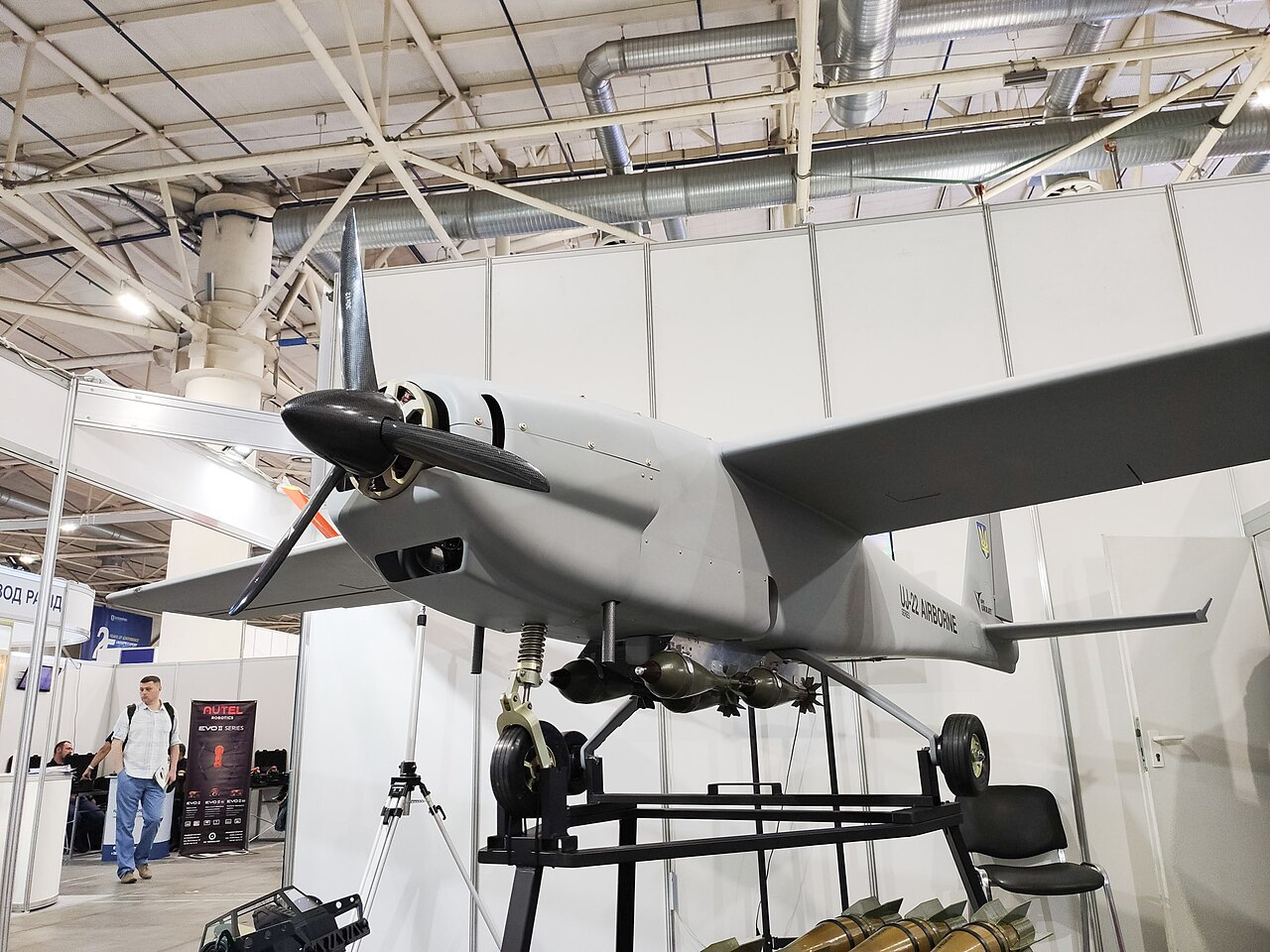
A recent drone strike in Sudan resulted in the deaths of at least 11 civilians at a market, highlighting the escalating human cost of the ongoing conflict. This incident is part of a broader pattern of aerial warfare that has significantly increased civilian casualties across the country.
Escalating Conflict and Civilian Toll
The conflict, which began in April 2023, primarily involves the Sudanese Armed Forces (SAF) and the Rapid Support Forces (RSF). Both factions have utilized aerial assets, including drones and fighter jets, in their struggle for control, particularly in urban centers.
Civilian areas, including markets and residential neighborhoods, have frequently been caught in the crossfire. International organizations and human rights groups have repeatedly called for an end to indiscriminate attacks and greater protection for non-combatants.
Targeting and Tactics
While specific details of the recent drone attack remain under investigation, such incidents typically involve attempts to target opposing forces or their supply lines. However, the use of unguided munitions or operations in densely populated areas often leads to unintended civilian harm.
Both the SAF and RSF have been accused of violating international humanitarian law through their conduct of hostilities. The deployment of drones by both sides has added a new dimension to the conflict, making it harder to distinguish between combatants and civilians.
Humanitarian Crisis Deepens
The ongoing violence has exacerbated an already dire humanitarian situation in Sudan. Millions have been displaced internally, and many more have sought refuge in neighboring countries. Food insecurity and lack of access to medical care are widespread.
Aid agencies face significant challenges in delivering assistance due to insecurity and bureaucratic hurdles. The continuous targeting of civilian infrastructure further complicates relief efforts and prolongs the suffering of the population.
International Response and Outlook
The international community has largely condemned the violence and called for a ceasefire and a return to negotiations. However, diplomatic efforts have so far failed to achieve a lasting peace agreement between the warring factions.
Sanctions have been imposed on key figures and entities involved in the conflict, but these measures have not yet deterred the fighting. The continued use of aerial bombardment, including drone strikes, suggests a protracted conflict with severe consequences for Sudan's civilian population.
Implications
Country Impact: The drone attack underscores the severe deterioration of security in Sudan, leading to increased civilian casualties and displacement. It further destabilizes the nation's political landscape and hinders any prospects for a peaceful resolution.
Industry Impact: The ongoing conflict and associated violence disrupt local commerce and agricultural activities, severely impacting Sudan's nascent industries. International businesses are likely to avoid investment, leading to long-term economic stagnation.
Market Impact: Global markets may react to the escalating humanitarian crisis with increased calls for international intervention or sanctions, potentially affecting commodity prices, particularly for agricultural goods from the region. Investor confidence in emerging markets within Africa could also be negatively impacted.