Lough Neagh Water Reveals Antibiotic Resistance Genes
Lough Neagh, a key drinking water source, contains antibiotic resistance genes, including carbapenems, linked to sewage and agricultural pollution.
Ayla Demirhan ·
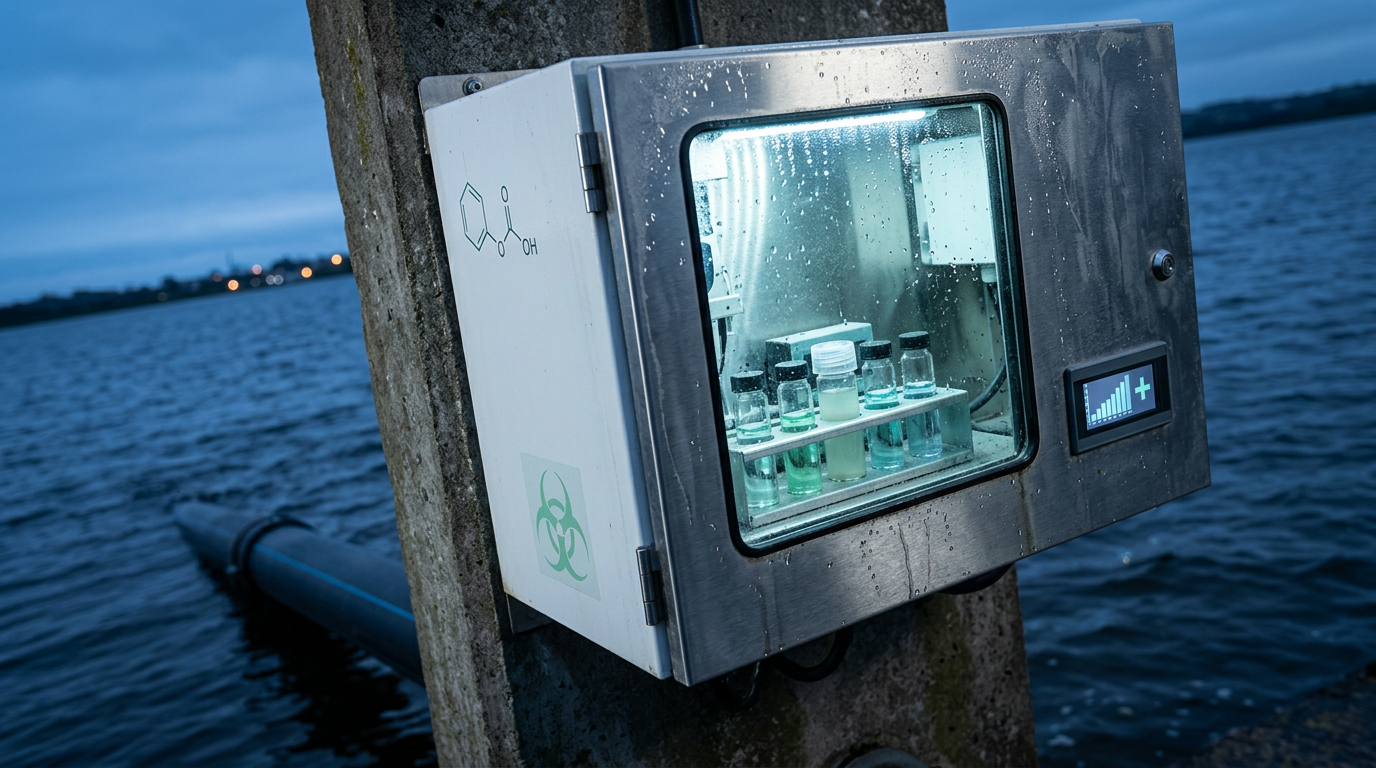
Lough Neagh, Northern Ireland's largest freshwater body and a primary source of drinking water for 40% of the region's population, has been found to contain genes conferring resistance to various antibiotics. Investigations revealed the presence of these resistance markers, including those for carbapenems, which are considered last-resort antibiotics. This discovery highlights a significant environmental and public health concern.
Water testing conducted by Watershed Investigations and The Guardian identified resistance genes spanning multiple antibiotic classes. These findings, initially reported in August of the previous year, align with a broader global increase in antibiotic-resistant infections. The UK Health Security Agency documented an estimated 2,379 fatalities in England during 2024 linked to such infections, underscoring the severity of the issue.
Pollution Sources and Ecological Impact
The primary driver for the proliferation of these antibiotic resistance genes is environmental pollution. Untreated sewage and agricultural runoff, particularly livestock slurry, are entering Lough Neagh. Water samples from the lake also indicated the presence of markers for human, cow, and pig faeces, confirming widespread contamination.
This influx of waste creates an environment conducive to the mixing and dissemination of pathogens, antibiotic residues, and resistant bacteria. Northern Ireland's Department of Agriculture, Environment and Rural Affairs (Daera) Minister, Andrew Muir, has previously stated that over 20 million tonnes of untreated sewage are discharged into the country's waterways annually.
Infrastructure Deficiencies and Underinvestment
Approximately 30% of Northern Ireland Water's storm overflows directly or indirectly impact Lough Neagh, contributing to its deteriorating ecological health. The lake has also experienced extensive toxic algal blooms, further exacerbated by nutrient pollution from these discharges. Experts caution that even treated wastewater may not fully eliminate all antibiotic resistance genes, allowing them to persist in the environment.
Northern Ireland Water has acknowledged decades of insufficient investment in its infrastructure. This underfunding has severely limited its capacity to implement necessary upgrades to wastewater treatment and collection systems. Addressing this long-term funding gap requires a permanent and sustainable investment plan to mitigate ongoing pollution risks and protect public health.
Global Context of Antimicrobial Resistance
The detection of antibiotic resistance genes in Lough Neagh reflects a global challenge. Antimicrobial resistance (AMR) is recognized by the World Health Organization as one of the top 10 global public health threats facing humanity. Factors contributing to AMR include the overuse and misuse of antibiotics in human medicine and agriculture, as well as inadequate sanitation and wastewater treatment.
Effective management of AMR requires a multi-sectoral 'One Health' approach, integrating human health, animal health, and environmental considerations. This includes improving surveillance, developing new antibiotics, and crucially, enhancing wastewater infrastructure to prevent the spread of resistance genes in aquatic environments.
The situation in Lough Neagh underscores the urgent need for comprehensive environmental protection and infrastructure investment to safeguard public health and ecological integrity.
Implications
Country Impact: The presence of antibiotic resistance genes in a major drinking water source poses a significant public health risk for Northern Ireland, potentially increasing the incidence of difficult-to-treat infections. It also highlights critical infrastructure deficiencies and environmental regulatory failures.
Industry Impact: The water utility sector, particularly Northern Ireland Water, faces increased pressure for substantial and sustained investment in infrastructure upgrades. Agricultural practices, especially livestock waste management, will also come under greater scrutiny and demand for improved environmental controls.
Market Impact: Increased public health concerns could lead to higher healthcare costs and potential economic disruption. The need for significant infrastructure investment may impact public spending and potentially lead to higher utility rates, while environmental degradation could affect tourism and local economies reliant on the lake's health.