S&P 500: Select Stocks Rise Post-Iran Attack
Following a U.S. and Israeli military action against Iran, select S&P 500 stocks saw double-digit gains despite a broader market decline.
Atlas Newsdesk ·
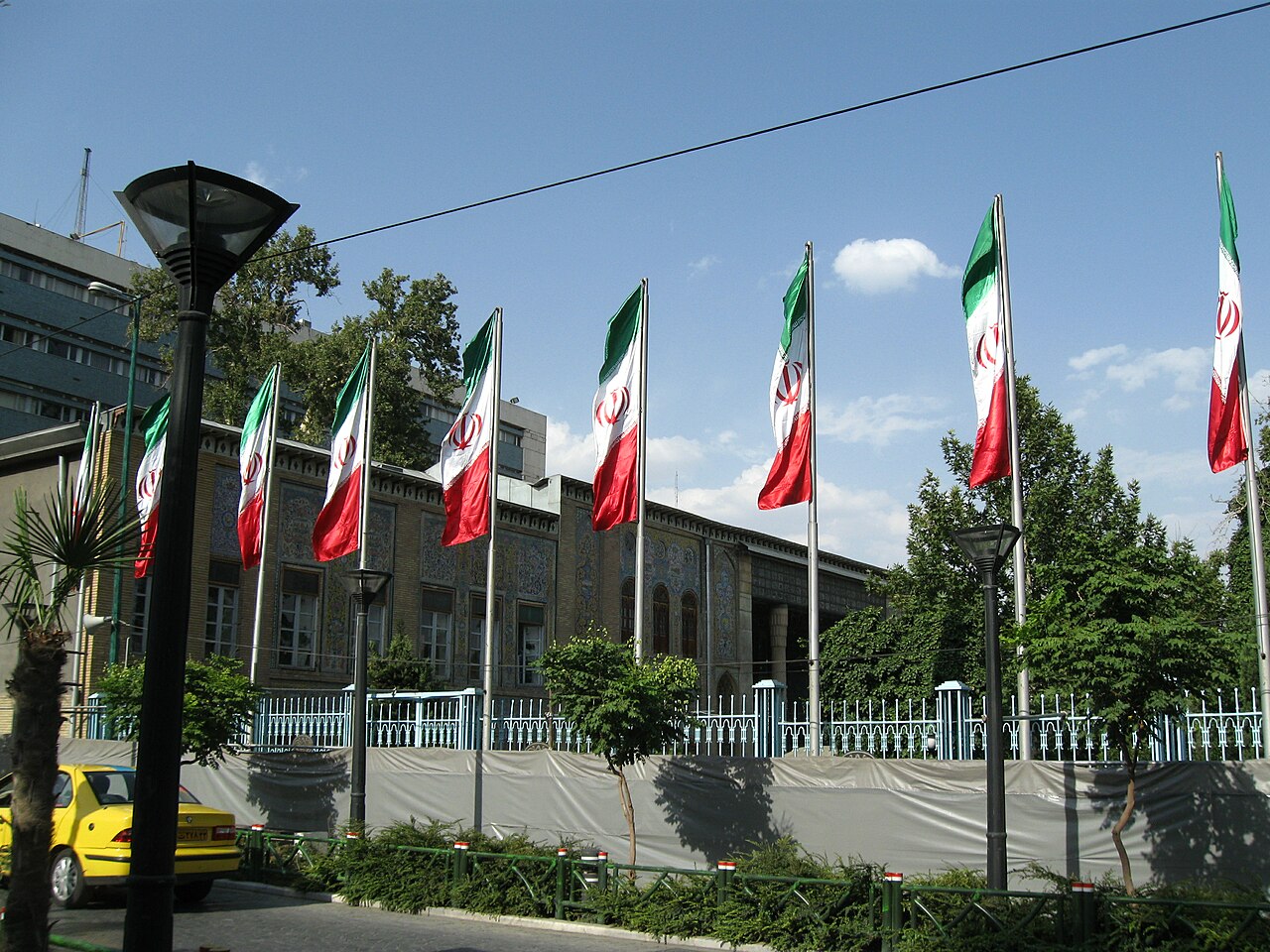
Following a military action involving the U.S. and Israel against Iran on February 28, 2026, a specific segment of the S&P 500 index demonstrated significant gains. While the broader S&P 500 experienced a 2.6% decline between February 27 and March 13, fifteen individual stocks within the index recorded double-digit percentage increases during this period. This divergence highlights a selective market response to geopolitical events.
Market Performance Divergence
The overall S&P 500 index saw a downturn, with approximately 80% of its constituent companies registering losses. However, certain sectors defied this trend. The materials sector emerged as the top performer among the S&P 500's eleven primary sectors, indicating a shift in investor focus towards commodities and industrial inputs. The energy sector also posted a 2.7% increase, while the information technology sector recorded a modest 0.4% gain.
Key Stock Gainers Identified
Among the companies that achieved substantial growth, CF Industries Holdings led the S&P 500 with a 27.5% increase. LyondellBasell Industries followed with a 25.4% gain, and Dow Inc. saw its shares rise by 21.0%. Other notable performers included CrowdStrike Holdings, which advanced by 19.6%, and Marathon Petroleum, with a 16.7% increase. Datadog, Valero Energy, Trade Desk, and Coinbase Global also reported double-digit percentage gains, ranging from 13.8% to 15.0%.
Crude Oil Price Dynamics
In the commodities market, West Texas Intermediate (WTI) crude oil prices exhibited volatility. 52 per barrel. 02 on February 27, the day prior to the military action. The price adjustment on Friday was partly attributed to ongoing negotiations between France, Italy, and Iran concerning safe passage through the Strait of Hormuz, a critical chokepoint for global oil shipments.
Geopolitical Context and Market Reaction
S. and Israel targeting Iran, introduced significant geopolitical uncertainty. Such events frequently trigger shifts in investor sentiment, often leading to a flight to perceived safe-haven assets or sectors that benefit from increased instability, such as energy and materials.
The subsequent market movements suggest a nuanced reaction, where broad market indices may decline due to overall risk aversion, while specific companies or sectors can thrive based on their exposure to commodities, defense, or critical infrastructure.
Outlook on Market Stability
The observed market behavior underscores the complex interplay between geopolitical developments and financial markets. While a majority of S&P 500 stocks declined, the strong performance of select companies and sectors indicates that investors were reallocating capital in response to the perceived risks and opportunities. Future market stability will likely depend on the de-escalation of regional tensions and the sustained flow of critical resources through strategic maritime routes.
Implications
Country Impact: Geopolitical tensions in the Middle East, particularly involving Iran, can significantly influence global energy markets and investor confidence in regional stability. This event highlights the immediate economic repercussions for countries reliant on oil imports or exports.
Industry Impact: The energy and materials sectors often benefit from geopolitical instability, as commodity prices tend to rise. Conversely, broader market indices may experience declines due to increased risk aversion, impacting diverse industries across the S&P 500.
Market Impact: Financial markets exhibit selective responses to geopolitical shocks. While the overall S&P 500 declined, specific stocks and sectors demonstrated resilience or growth, indicating a reallocation of capital towards perceived beneficiaries of the altered geopolitical landscape.