Vineyard Wind 1 Powers New England Grid
Vineyard Wind 1, the first commercial-scale U.S. offshore wind farm, began supplying 68 MW to the New England grid on Jan 2, 2024.
Atlas Newsdesk ·
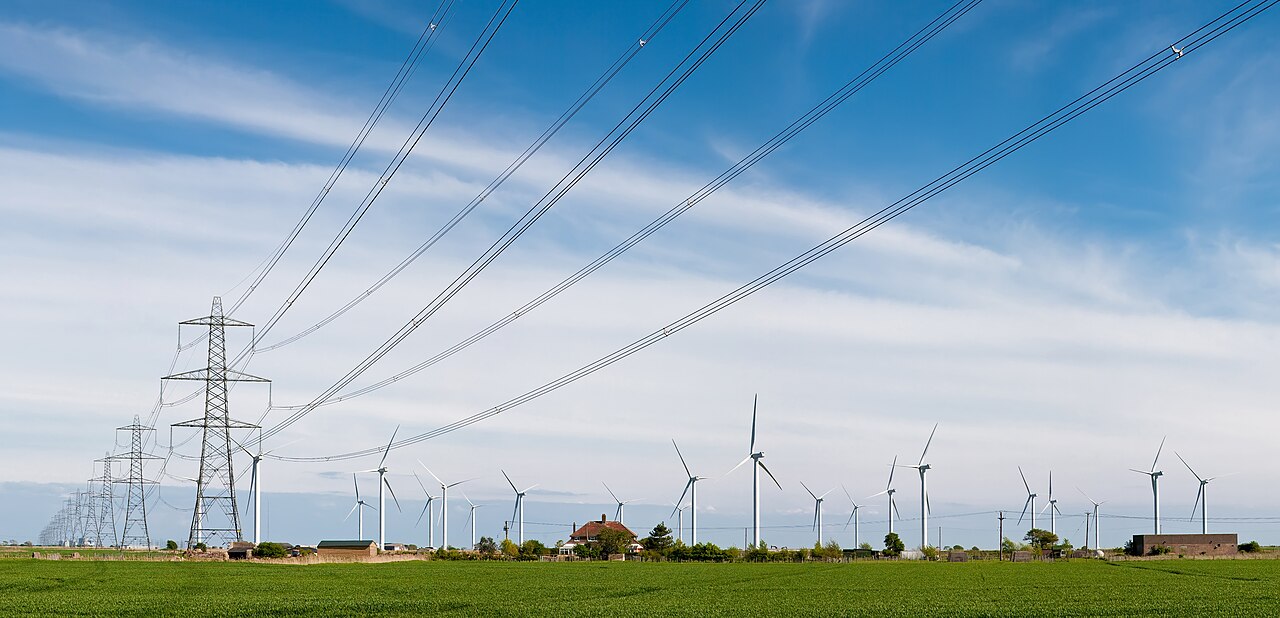
The New England power grid commenced receiving electricity from the Vineyard Wind 1 project on January 2, 2024. This event signifies the operational launch of the first commercial-scale offshore wind farm in the United States. Situated approximately 15 miles off the coast of Martha's Vineyard, the facility began its energy contribution with an initial output of 68 megawatts (MW).
Project Development and Capacity
Vineyard Wind 1 is a collaborative undertaking between Avangrid and Copenhagen Infrastructure Partners. The initial phase involved connecting five operational turbines to the regional grid. The project's full scope anticipates the installation of 62 turbines, designed to achieve a total generation capacity of 806 MW.
This capacity is projected to be sufficient to supply electricity to more than 400,000 homes within Massachusetts. The development represents a significant step towards diversifying the energy mix and advancing renewable energy objectives in the region.
Broader Context of U.S. Offshore Wind
The activation of Vineyard Wind 1 follows years of planning and regulatory processes for offshore wind development in the United States. While Europe has a more established offshore wind sector, the U.S. has been slower to adopt the technology at scale due to various factors, including permitting complexities, environmental reviews, and high initial investment costs. This project's completion provides a tangible example of large-scale offshore wind generation in American waters.
Federal and state governments have increasingly emphasized renewable energy sources to combat climate change and enhance energy independence. The Biden administration, for instance, has set ambitious targets for offshore wind deployment, aiming for 30 gigawatts (GW) of capacity by 2030. Projects like Vineyard Wind 1 are critical to achieving these national goals.
Economic and Environmental Implications
Beyond electricity generation, the Vineyard Wind 1 project is expected to contribute to local economies through job creation in construction, operation, and maintenance. It also plays a role in reducing reliance on fossil fuels, thereby lowering carbon emissions and improving air quality in the New England area. The integration of such large-scale renewable energy sources can also help stabilize energy prices over the long term by reducing exposure to volatile global fuel markets.
The successful operation of Vineyard Wind 1 is anticipated to serve as a blueprint for future offshore wind developments along the U.S. East Coast. It demonstrates the technical feasibility and commercial viability of large-scale offshore wind projects, potentially accelerating investment and development in this nascent industry segment.
Implications
Country Impact: The operational launch of Vineyard Wind 1 marks a significant milestone for the United States' renewable energy sector, advancing national goals for offshore wind capacity and energy independence. It sets a precedent for future large-scale renewable infrastructure projects.
Industry Impact: This development provides a substantial boost to the nascent U.S. offshore wind industry, demonstrating commercial viability and potentially attracting further investment and technological innovation. It also creates new opportunities for supply chain development and specialized labor.
Market Impact: The integration of offshore wind into the New England grid can contribute to regional energy market stability by diversifying supply and reducing reliance on fossil fuels. It may influence wholesale electricity prices and support the growth of green energy certificates.