

DRC Schools Reopen Amid Record Ebola Outbreak
Democratic Republic of Congo schools have reopened for the new academic year despite a record Ebola outbreak, using a tiered approach to education.
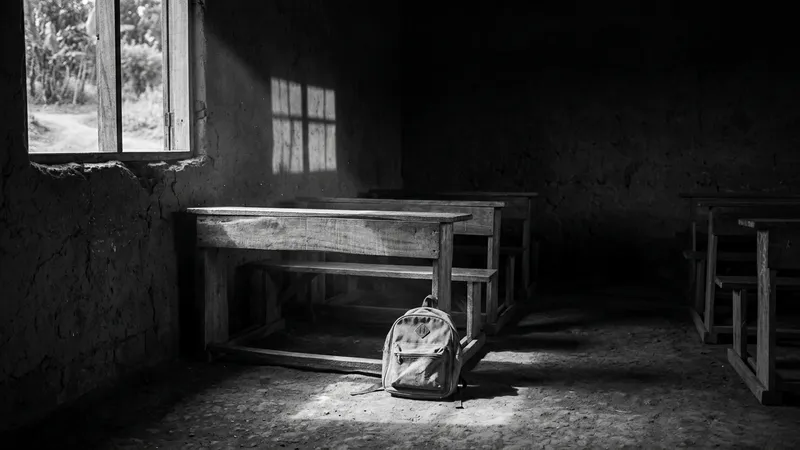
Schools throughout the Democratic Republic of Congo (DRC) have commenced a new academic year, even as the nation confronts its most extensive recorded Ebola epidemic. This decision to resume educational activities comes amid significant public health challenges, particularly within Ituri province, where the Bundibugyo virus strain is highly prevalent. This specific strain currently lacks an officially approved vaccine or targeted therapeutic treatments. As of August 31, official figures indicate a cumulative total of 6,041 Ebola cases and 2,911 fatalities linked to the disease. Despite these stark figures, the government opted against a complete nationwide closure of educational institutions, instead implementing a stratified strategy to ensure continued learning.
Tiered Educational Protocols Implemented
Under the newly established system, 18 educational subdivisions identified as high-risk areas will transition to home-based learning. Students residing in these vulnerable regions are scheduled to receive educational support through distributed printed materials and dedicated radio broadcasts. This approach aims to guarantee that learning progresses without the heightened risk of transmission often associated with crowded school environments. Conversely, educational establishments situated in areas classified as lower-risk have obtained authorization to restart in-person operations. This resumption is strictly contingent upon their adherence to enhanced hygiene protocols and stringent preventive measures, which are considered crucial for minimizing health risks within school settings and preventing further viral dissemination.
Public health experts and representatives from teachers' unions have articulated considerable apprehension regarding the safety of in-person attendance. Their primary concern centers on the potential for rapid disease transmission within densely populated classroom settings, which could significantly worsen the existing health emergency. This situation highlights the complex dilemma of balancing continuous educational access with essential public health safeguards during an epidemic. To mitigate these potential dangers, education authorities have initiated comprehensive training programs for school personnel. These programs are designed to equip educators with the necessary skills to accurately identify potential Ebola symptoms among students and to effectively promote vital preventive practices within school communities. Such proactive measures are considered essential for early detection and containment efforts, aiming to prevent schools from becoming new transmission hubs.
Ongoing Research and Future Public Health Strategies
In parallel with the educational response, the Africa Centres for Disease Control and Prevention (Africa CDC) is actively conducting clinical trials. These trials seek to determine whether existing Ebola vaccines offer protective immunity against the Bundibugyo strain driving the current outbreak. The results of this critical research could significantly influence future public health strategies, including the potential deployment of vaccines in affected areas, thereby offering a longer-term solution to recurring health crises. The broader context of this situation underscores the intricate challenges faced by nations grappling with recurrent infectious disease outbreaks. These countries must navigate the delicate balance between effectively responding to health emergencies and striving to maintain essential public services, such as education, which are vital for societal stability and future development, particularly in a region with ongoing humanitarian challenges.
This Ebola outbreak in the DRC is not only the largest on record for the country but also one of the most complex globally, complicated by conflict and community mistrust in some affected areas. The government's decision reflects a strategic effort to avoid a complete cessation of education, understanding its long-term societal costs, while attempting to manage immediate public health risks. The success of this dual approach will largely depend on the effective implementation of prevention measures and the community's cooperation in adhering to the new protocols, highlighting the critical role of public engagement in disease control.
Broader Context of Disease Management
Managing an epidemic while maintaining core public services presents a severe challenge for any nation, particularly for those with limited resources and existing fragilities. The DRC's approach aims to mitigate the educational impact of the Ebola crisis, which could otherwise lead to significant setbacks in human development. The emphasis on home-based learning and strict hygiene in schools underscores a pragmatic effort to adapt educational delivery during a severe health crisis. International health organizations continue to support local efforts, providing technical assistance and resources, recognizing that effective disease control in one region benefits global health security.
Community Engagement and Sustained Vigilance
Sustained public health campaigns and community engagement are paramount for the tiered education plan to succeed. Building trust and ensuring adherence to safety guidelines, particularly concerning symptom reporting and hygiene practices, will be crucial. The outcome of the Africa CDC trials will also be a significant determinant for future strategies, potentially offering new tools for prevention and control. The experience gained during this outbreak will likely inform future responses to similar health emergencies, emphasizing the intricate balance between societal needs and public health imperatives.
More stories
- Donor-specific genomes reveal 1,790 chromatin hotspots
- Ant genomes point to mobile DNA as size driver
- Strength-focused exercise after 50 reframes heart plans
- Flu visits double as early season puts vaccines in focus
- Hurricane Isaias halts Gulf output; US approves oil relief
- Unduliner reaches 0.897 accuracy in cancer-genome preprint
- UK Rolls Out Massive Winter Vaccination Campaign to Combat Seasonal Viruses
- USDA Scales Back Cyclospora Research Amid Record Outbreak
- Unregulated Longevity Treatments Spark Urgent Safety Warnings
- Global Coral Reefs Teeter on the Brink of Irreversible Collapse
Latest news
- Mashreq CEO Abdelaal joins 15-member Swift board
- Sudan strikes kill 112, rights group says
- Ticketory says six-month bookings exceed €550,000
- Deadlock’s Solomon hides 8-to-32 chess reload boards
- Merck KGaA tops MediciNova on 8 of 15 metrics
- Tanker burns near Hormuz after munition strike
- Trump claims Ukraine-Russia energy ceasefire agreement
- Zelensky condemns US-Russia diesel deal as Putin gift