

Global Coral Reefs Teeter on the Brink of Irreversible Collapse
A new report reveals global coral reefs are nearing irreversible decline due to frequent mass bleaching, with 77% affected in 2023.
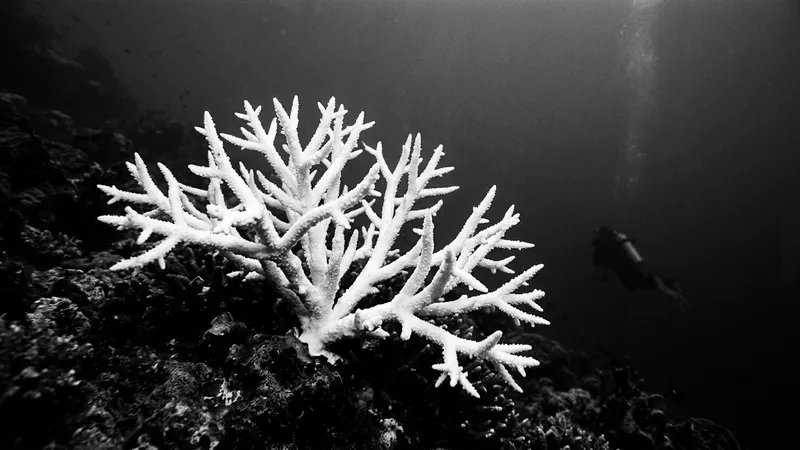
Global coral reef ecosystems are fast approaching an irreversible threshold of decline, driven primarily by an accelerated frequency of mass bleaching incidents. This critical assessment comes from a report published on Monday by the Global Coral Reef Monitoring Network.
Experts indicate that the time between severe thermal stress events has drastically reduced. This shortened interval prevents marine organisms from undergoing the essential recovery periods required for their survival and regrowth after disturbances. The primary cause for this environmental collapse is the sustained increase in global ocean temperatures.
Rising Ocean Temperatures Fueling Bleaching
Elevated ocean temperatures force corals to expel their symbiotic algae, which are crucial for their sustenance. Although coral bleaching itself is not immediately fatal to the organisms, the absence of cooler recovery periods has led to a significant reduction in global coral cover since 2010. This long-term trend highlights a fundamental shift in marine environmental conditions.
Data from 2023 indicates an unprecedented scale of bleaching, affecting 77 percent of the world's reef areas, making it the most extensive event ever recorded. Researchers considerable concern that the current environmental trajectory suggests a high probability of another widespread bleaching event occurring within the current calendar year, further stressing these vulnerable ecosystems.
Ecological and Broader Implications
Coral reefs play a disproportionately vital role in marine biodiversity. Despite occupying less than one percent of the ocean floor, these ecosystems support over 25 percent of all marine life. Consequently, their ongoing degradation and potential loss serve as a critical indicator of broader oceanic health decline across the planet. The intricate web of life sustained by reefs contributes significantly to global ecological balance.
The findings from the Global Coral Reef Monitoring Network underscore a systemic failure in the natural recovery capacity of marine habitats. Under present climate conditions, these ecosystems are unable to recuperate at a rate sufficient to counteract the increasing environmental pressures. This situation necessitates urgent attention to climate change mitigation and marine conservation efforts globally.
The continuous warming of ocean waters, driven by climate change, creates a cycle where reefs are constantly under stress, unable to rebound. This loss impacts not only marine species but also coastal communities reliant on reefs for food security, coastal protection, and tourism. The scientific community emphasizes that addressing the root causes of climate change is paramount to preventing the complete collapse of these invaluable natural systems.
Historical Context and Future Outlook
While coral bleaching has occurred naturally throughout history, the frequency and intensity observed in recent decades are directly linked to anthropogenic climate change. Past bleaching events often allowed for recovery due to longer intermittent periods of cooler temperatures. However, the current pace of ocean warming means these vital recovery phases are now critically diminished or absent.
Scientists project that without significant reductions in global greenhouse gas emissions, the health and extent of coral reefs will continue to deteriorate. The report serves as a stark warning about the irreversible damage that could be inflicted on one of Earth's most biodiverse and productive ecosystems, with cascading effects throughout the marine food web and global climate system.
More stories
- Donor-specific genomes reveal 1,790 chromatin hotspots
- Ant genomes point to mobile DNA as size driver
- Strength-focused exercise after 50 reframes heart plans
- Flu visits double as early season puts vaccines in focus
- Hurricane Isaias halts Gulf output; US approves oil relief
- Unduliner reaches 0.897 accuracy in cancer-genome preprint
- Foodborne Pathogen Recalls Rise Amidst Global Supply Chain Scrutiny
- Statins Reduce Long-Term Dementia Risk for Diabetics
- GLP-1 Use Linked to Reduced Breast Cancer Risk in Observational Study
- WHO Declares Public Health Emergency as Bundibugyo Ebola Reaches Kampala
Latest news
- Mashreq CEO Abdelaal joins 15-member Swift board
- Sudan strikes kill 112, rights group says
- Ticketory says six-month bookings exceed €550,000
- Deadlock’s Solomon hides 8-to-32 chess reload boards
- Merck KGaA tops MediciNova on 8 of 15 metrics
- Tanker burns near Hormuz after munition strike
- Trump claims Ukraine-Russia energy ceasefire agreement
- Zelensky condemns US-Russia diesel deal as Putin gift