

WHO Declares Public Health Emergency as Bundibugyo Ebola Reaches Kampala
An Ebola outbreak of the rare Bundibugyo strain in DRC and Uganda has led to a public health emergency, with no approved vaccine available.
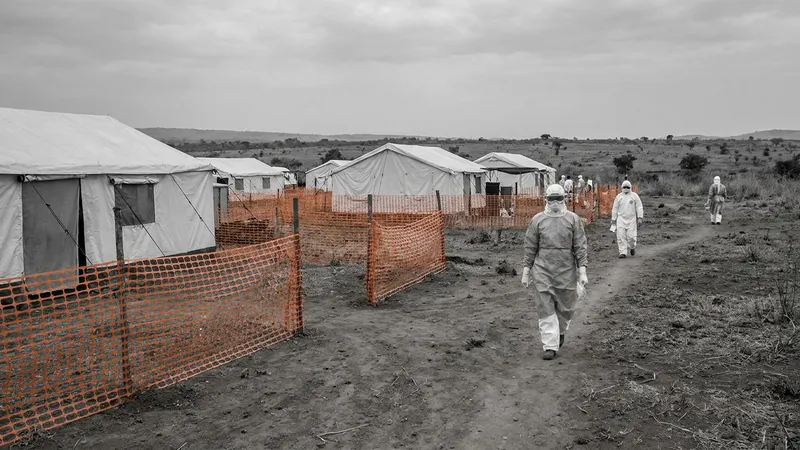
The World Health Organization (WHO) has declared a public health emergency due to an Ebola outbreak that originated in the Democratic Republic of Congo (DRC) and has since spread to Uganda. The Africa Centres for Disease Control and Prevention first announced the outbreak on May 15, 2026. This particular outbreak involves the rare Bundibugyo strain of the virus, for which no approved vaccine is currently available.
Current Case Numbers and Geographic Spread
As of June 2, 2026, the WHO confirmed 321 cases and 48 deaths in the DRC, with an additional 116 suspected cases under investigation. In neighboring Uganda, the WHO reported nine confirmed cases and one death. The Ugandan government has since indicated six new cases, bringing its total to 15. Notably, cases have been identified in Uganda's capital city, Kampala, which is located hundreds of kilometers from the DRC border. Containment efforts are being hindered by ongoing conflict in the eastern DRC's Ituri province.
Challenges in Vaccine Development
While two vaccines exist for the more common Zaire Ebola virus (Ervebo by Merck and Zabdeno/Mvabea by Johnson and Johnson), the Bundibugyo strain has not historically garnered significant pharmaceutical research attention due to its infrequent outbreaks. Currently, three experimental vaccines targeting the Bundibugyo strain are undergoing evaluation for potential emergency trials. These development efforts are being supported by funding from the Coalition for Epidemic Preparedness Innovations (CEPI). However, the timeline for these trials and subsequent production remains uncertain, with initial research and testing phases potentially extending over several years.
More stories
- Donor-specific genomes reveal 1,790 chromatin hotspots
- Ant genomes point to mobile DNA as size driver
- Strength-focused exercise after 50 reframes heart plans
- Flu visits double as early season puts vaccines in focus
- Hurricane Isaias halts Gulf output; US approves oil relief
- Unduliner reaches 0.897 accuracy in cancer-genome preprint
- China Sends Medical Team to DRC for Ebola
- WHO Chief Visits DRC Amid Ebola Outbreak
- Weight Loss Reverses Cardiac Dysfunction in Severe Obesity
- Gut Microbiome Shifts Linked to Early Parkinson's Risk
Latest news
- Bandai Namco sets 2027 cross-play test for Sparking Zero
- Washington weighs a harder bargain for Israel’s next defense aid pact
- Turkey-Israel spat puts Washington’s Gaza diplomacy in a tighter corner
- Bangladesh MICS7 shows high lead in 38.5% of children
- Mashreq CEO Abdelaal joins 15-member Swift board
- Sudan strikes kill 112, rights group says
- Ticketory says six-month bookings exceed €550,000
- Deadlock’s Solomon hides 8-to-32 chess reload boards