

USDA Scales Back Cyclospora Research Amid Record Outbreak
The USDA has reduced key Cyclospora research programs and relocated a lab, leading to staff departures, coinciding with the largest outbreak on record…
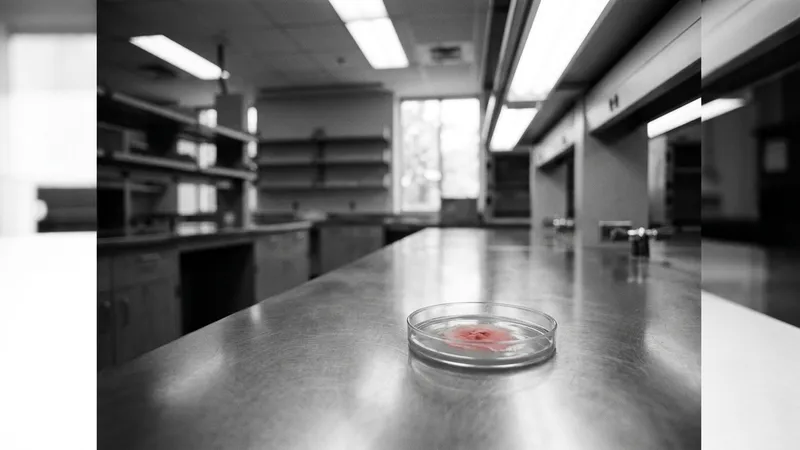
The United States Department of Agriculture (USDA) has significantly curtailed its primary research initiatives focused on Cyclospora, a foodborne parasitic organism. Funding for two critical research programs has been eliminated, while the laboratory responsible for the sole remaining project is being moved from Maryland to Iowa. This organizational shift has resulted in the departure of specialized scientific personnel, as researchers have opted not to relocate with the changing operations.
This reduction in research capacity occurs simultaneously with the largest recorded cyclosporiasis outbreak in the nation's history. Approximately 30,000 confirmed and probable cases have been documented this summer, highlighting the growing public health risk posed by the pathogen. Officials anticipate that the cessation of dedicated research efforts and the ensuing loss of expertise will severely impede governmental capabilities to pinpoint contamination sources and develop effective strategies for future outbreak prevention.
Impact on Food Safety Expertise
The relocation of these laboratory facilities has created a substantial knowledge gap in the study of Cyclospora. This pathogen is notoriously challenging to cultivate and analyze in laboratory environments, making specialized expertise indispensable for its understanding and control. The departure of experienced parasitologists presents a significant obstacle for both ongoing and prospective research.
Industry specialists have voiced concerns that the loss of these highly specialized scientists poses a long-term risk to national food safety frameworks. Rebuilding the necessary scientific proficiency in this niche area is projected to require several decades. This potential vacuum in expertise could leave critical segments of the food supply chain vulnerable to persistent and unmonitored transmission of foodborne pathogens, particularly given the organism's resilience and complex life cycle.
Historical Context of Cyclosporiasis
Cyclospora cayetanensis is a microscopic parasite responsible for intestinal illness. Its spread typically occurs through contaminated food or water, often resulting from fecal contamination. Outbreaks are frequently linked to imported fresh produce, including berries, leafy greens, and various herbs. The parasite's life cycle and its resistance to common disinfectants render it particularly difficult to manage effectively.
While smaller, localized outbreaks have occurred previously, the current incidence of nearly 30,000 cases underscores an escalating public health concern. Past incidents have often necessitated extensive investigations involving multiple federal and state agencies, emphasizing the critical importance of robust research and surveillance capabilities to safeguard consumers and maintain confidence in the food supply. The current outbreak's scale significantly surpasses prior events, making the timing of research cuts particularly notable.
Future Public Health Challenges
Without the foundational research previously provided by these programs, public health officials may face increased difficulties in identifying specific Cyclospora strains involved in outbreaks, understanding their transmission pathways, and developing rapid diagnostic tools. This could result in longer investigation periods, delayed implementation of control measures, and potentially more widespread illnesses during future events.
The long-term consequences extend to agricultural practices, import regulations, and consumer safety guidelines, all of which rely on scientific insights for effective management and protection. The diminished research capabilities could impede the nation's ability to adapt to evolving threats from foodborne parasites, potentially impacting trade relationships and public trust in food safety oversight.
More stories
- Donor-specific genomes reveal 1,790 chromatin hotspots
- Ant genomes point to mobile DNA as size driver
- Strength-focused exercise after 50 reframes heart plans
- Flu visits double as early season puts vaccines in focus
- Hurricane Isaias halts Gulf output; US approves oil relief
- Unduliner reaches 0.897 accuracy in cancer-genome preprint
- Unregulated Longevity Treatments Spark Urgent Safety Warnings
- Global Coral Reefs Teeter on the Brink of Irreversible Collapse
- NHS Launches At-Home HPV Kits to Boost Cervical Screening
- Upadacitinib Shows Promise for Alopecia Hair Regrowth
Latest news
- Sudan strikes kill 112, rights group says
- Ticketory says six-month bookings exceed €550,000
- Deadlock’s Solomon hides 8-to-32 chess reload boards
- Merck KGaA tops MediciNova on 8 of 15 metrics
- Tanker burns near Hormuz after munition strike
- Trump claims Ukraine-Russia energy ceasefire agreement
- Zelensky condemns US-Russia diesel deal as Putin gift
- Trump announces Russia-Ukraine energy ceasefire as fuel prices climb