Donald Trump ‘very surprised’ Australia declined to send troops to strait of Hormuz amid fuel crisis
Donald Trump expressed surprise over Australia's decision not to send warships to the Strait of Hormuz, impacting global fuel prices.
Cuneyd Erdogan ·
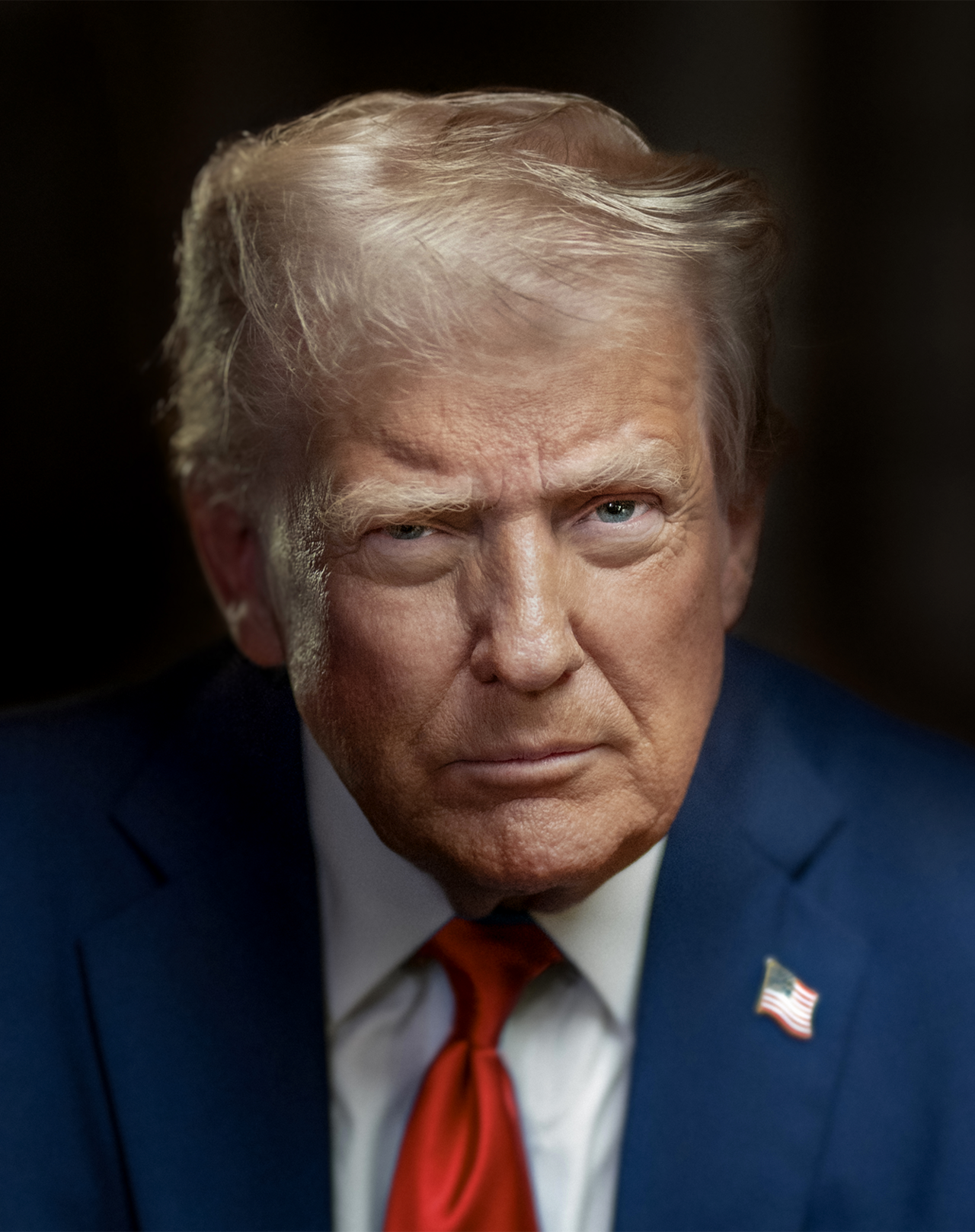
Former U.S. President Donald Trump recently voiced his astonishment regarding Australia's decision not to deploy naval assets to the Strait of Hormuz. Speaking in Washington, D.C., on a Friday, Trump indicated his expectation that key allies like Australia, Japan, and South Korea would contribute to international efforts in the critical waterway. This statement follows earlier remarks where he suggested the U.S. did not require assistance from these nations.
Geopolitical Context of the Strait
The Strait of Hormuz, a narrow sea passage between the Persian Gulf and the Gulf of Oman, is globally recognized as a vital chokepoint for oil shipments. Approximately one-fifth of the world's oil supply, including nearly all crude oil exports from Saudi Arabia, Iran, UAE, Kuwait, and Iraq, transits through this strait. Disruptions in this area can significantly impact global energy markets and fuel prices.
Allied Contributions and U.S. Expectations
Historically, the United States has often sought contributions from its allies for maritime security operations in strategic regions. Trump's comments underscore a perceived inconsistency, as he had previously implied that the U.S. could manage such security challenges independently. His recent remarks highlight a potential divergence in expectations between the U.S. and its allies regarding burden-sharing in international security.
Australia's Strategic Considerations
Australia, a long-standing U.S. ally, typically assesses its military deployments based on its national interests and operational capabilities. Decisions regarding naval deployments to distant and potentially volatile regions like the Strait of Hormuz involve complex evaluations of geopolitical risks, resource allocation, and domestic political considerations. Australia's absence from the Strait of Hormuz mission, despite its close alliance with the U.S., suggests a calculated strategic choice.
Impact on Bilateral Relations
While Trump's surprise was noted, the long-term implications for U.S.-Australian relations remain to be seen. Both nations maintain robust defense and intelligence partnerships. However, public expressions of disappointment from a former U.S. President can signal areas of friction or differing strategic priorities within the alliance framework. Such statements often prompt closer scrutiny of allied commitments and shared security objectives.
Global Energy Market Implications
The ongoing security concerns in the Strait of Hormuz, irrespective of specific national contributions, continue to influence global fuel prices. Any perceived instability or threat to shipping in this region can lead to increased volatility in oil markets, affecting consumers and economies worldwide. The broader context of global energy security remains a significant factor in international relations and defense planning.
Implications
Country Impact: Australia's decision reflects its independent assessment of strategic priorities, potentially signaling a nuanced approach to alliance commitments. This could influence future discussions on burden-sharing within the U.S.-Australia alliance.
Industry Impact: The stability of the Strait of Hormuz directly impacts the global oil and gas industry, with any perceived security threats leading to price volatility. Shipping and logistics sectors also face increased operational risks and insurance costs in the region.
Market Impact: Global energy markets, particularly crude oil and refined products, remain sensitive to geopolitical developments in the Middle East. Uncertainty in the Strait of Hormuz can drive up oil prices, affecting inflation and economic growth worldwide.