

Dolly Parton dies at 80, leaving a country music empire
Dolly Parton died at 80 in Nashville, ending a seven-decade career spanning hit songs, Dollywood and honors across country and rock.
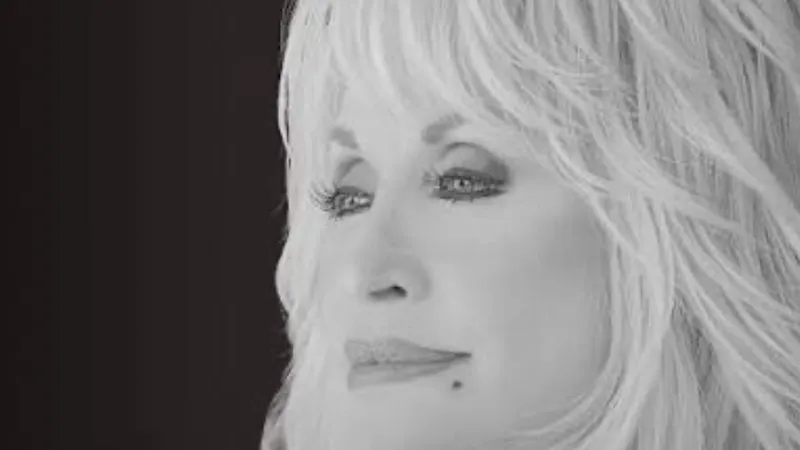
Dolly Parton died at 80 in Nashville, closing a seven-decade career that made her a country music writer, performer and business owner.
Nashville statement omits cause
True Public Relations, her publicist, announced her death in Nashville and did not give a cause. The absence of a stated cause leaves the timing of her final illness unclear from the public announcement.
Parton had canceled a planned Las Vegas residency in May, citing health problems that she said made her feel “swimmy headed.” The cancellation gave fans an earlier indication that her touring and performance schedule had narrowed before the announcement of her death.
Songs carried a Tennessee story
Parton’s public identity was built around a contrast that rarely left her work: rural Tennessee poverty at one end, national celebrity and ownership at the other. She turned that biography into songs about labor, devotion, ambition and women trying to shape their own terms.
Her best-known recordings included “9 to 5,” “I Will Always Love You” and “Jolene,” three songs that kept her catalog active across country, pop and film audiences. The span of her career, described as seven decades, gave her reach across radio eras, television variety shows, streaming playlists and theme-park entertainment.
Parton was also recognized by major cultural institutions beyond Nashville. Her honors included induction into the Country Music Hall of Fame and the Rock & Roll Hall of Fame, along with Kennedy Center recognition for lifetime artistic work.
Dollywood anchors Sevier County
Her commercial career extended well beyond records and touring. Parton helped build Dollywood into a theme-park business tied to her home region, and the source account described it as Tennessee’s top ticketed tourist draw and the largest employer in Sevier County.
That made her death a business event as well as a cultural one. Dollywood linked a national entertainment brand to lodging, food service, seasonal hiring and local tourism in eastern Tennessee, a more durable economic channel than a concert schedule alone.
Parton was credited in the source material with more than 100 million records sold worldwide. That figure, alongside her park interests and long-running publishing income, explains why her career is often treated as a case study in artist ownership rather than celebrity licensing alone.
Trump orders flag tribute
President Trump ordered US flags to fly at half-staff for one week in Parton’s honor. In a social media post, he said “there has never been anyone like her, and never will.”
The order placed Parton’s death in the category of national remembrance rather than a music-industry farewell alone. It also reflected the breadth of her audience, which extended from country listeners to film viewers, tourists and readers who knew her public image before they knew the business behind it.
Catalog and park face transition
The immediate question for her estate is how tightly it manages publishing rights, image licensing and Dollywood’s use of her name. If the estate preserves a centralized approach, the company most directly tied to her legacy could maintain continuity for visitors and partners while the broader country sector keeps a stable licensing model for one of its most valuable catalogs.
If control becomes more fragmented, the risks would be different: more short-term licensing opportunities, but less consistency around brand use. For the wider industry, that would affect how labels, publishers and entertainment operators value legacy artists whose businesses now include recordings, tourism assets and personal trademarks.
For the global economy, the channels are narrow and sector-specific rather than macro-moving: music consumption, tourism, merchandise and intellectual-property licensing. The unresolved issues are the cause of death, the structure of estate control and whether Dollywood’s operating model changes after the loss of the founder whose identity shaped the brand.
More stories
- Nana Patekar Autopsy Confirms Natural Causes, Rules Out Foul Play
- Beenie Man, Winky D Surprise Kadoma Festival Crowd
- Brad Pitt, Ines de Ramon Appear Together at Film Festival
- Apple, Paramount+ Launch Mob Dramas on Power's Cost
- Nollywood Star Urges Investment in Ghanaian Actor LilWin
- Marvels' Box Office Flop Still Pivotal for MCU's Future
- Adult Conversions to Catholicism Reach New Heights Across the United States
- Palestinian Artist Sliman Mansour Dies at 79
- Police Seek Arrest of HYBE Chairman
- Madonna offers reward for missing Coachella costume
Latest news
- NBA, FIBA Advance European League Plans After EuroLeague Merger Rejection
- Ericsson CTO says India’s 6G role may deepen telecom lock-in
- Turkey Cabinet agenda puts Syria, Iran and SDF policy back on Washington’s desk
- Oil slips after Trump announces energy ceasefire
- Reported Sudan Mine Strike Puts Egypt’s US Defense Ties Under Scrutiny
- Airstrike kills 72 at Sudan-Egypt border gold mine
- MTY draws Strong Buy call at 17.82% FCF yield
- AI models cite correct law up to 100%, but reliance lags