State Department Files Show No Domestic Censorship Proof
Leaked US State Department documents from the Global Engagement Center reveal no evidence of domestic censorship, affirming its international focus.
Lauren Collins ·
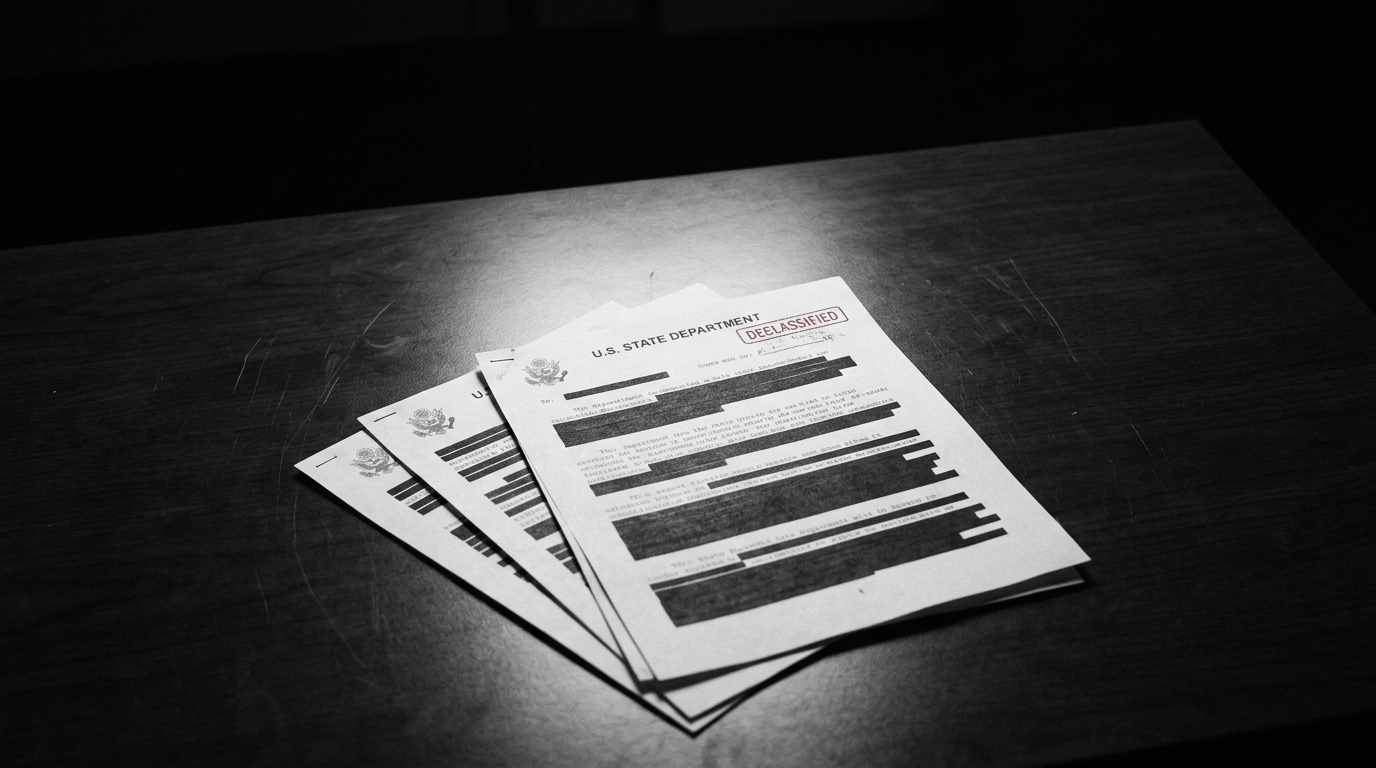
Recently disclosed internal documents from the U.S. State Department's Global Engagement Center (GEC) offer no evidence supporting claims of domestic surveillance or censorship operations. These files, released by Undersecretary for Public Diplomacy Sarah Rogers, highlight the center's consistent adherence to its international mandate, as affirmed by former GEC officials Daniel Kimmage and Carrie Goux.
The disclosure comes amidst a multi-year campaign by Republican lawmakers alleging that the GEC, established in 2017 to counter foreign propaganda from nations like Russia, China, and Iran, improperly influenced domestic media. Critics had previously pointed to the GEC's financial support for the Global Disinformation Index as an example of alleged domestic interference, despite the organization's primary focus on international influence operations.
GEC's Mandate and Dissolution
The controversy primarily revolves around the GEC's designated role and its eventual defunding in 2024, followed by its complete disbandment in 2025. This dissolution is anticipated after President Trump's potential return to office. Daniel Kimmage, who served as the GEC's principal deputy coordinator and acting coordinator from its inception, stated that the leaked files, including his own congressional testimony, have been subject to selective interpretation.
Kimmage maintained that the GEC did not take positions regarding U.S. domestic news outlets. This assertion, he argues, is now corroborated by the content within the newly released documents. The leaked material includes a 2022 report on gendered disinformation and various congressional testimonies, which former officials contend were misrepresented to suggest the agency was monitoring American political discourse.
Transition of Counter-Propaganda Functions
Despite the closure of the Global Engagement Center, the State Department is in the process of transferring its vital counter-propaganda responsibilities to other internal departments. This transition includes an approximately $11 million initiative specifically designed to engage social media influencers within Southeast Asia. The objective of this program is to counteract Chinese state-sponsored messaging and influence operations prevalent in the region.
The release of these GEC documents marks the latest development in an ongoing political debate regarding the appropriate scope of federal authority in monitoring digital information environments. This dispute has grown more intense due to allegations from conservative groups, who claim that various government entities have exceeded their foreign-facing mandates and, in doing so, have attempted to influence domestic public discourse.