Malaysia Boosts Fuel Subsidies Amid Economic Pressure
Malaysia is increasing monthly fuel quotas for citizens starting September 1 to address rising living costs despite strong Q2 GDP growth.
Lauren Collins ·
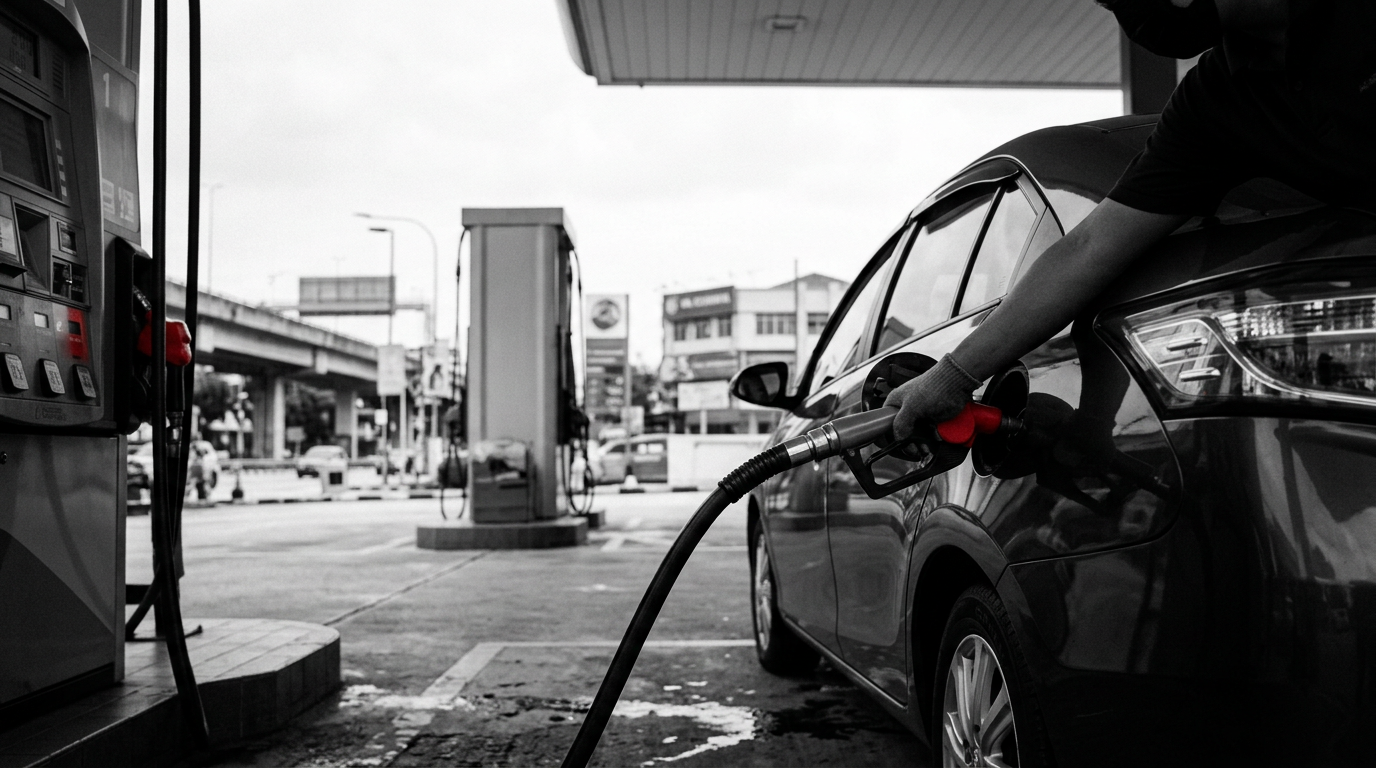
Malaysia's government has decided to increase monthly fuel purchase quotas for its citizens, effective September 1, a move that reverses earlier reductions. The quota for RON95 petrol will be raised to 300 liters per month, while specific diesel quotas will increase to 400 liters.
This adjustment comes after previous announcements regarding additional funding directed towards schools and small businesses. These initiatives collectively aim to mitigate the impact of rising living costs on the population. The policy shift occurs as the Malaysian economy recorded a robust 6 percent gross domestic product growth during the second quarter, surpassing official projections.
Addressing Public Sentiment
Government statements indicate that the expansion of fuel subsidies is a strategic measure intended to address declining public support and concerns related to inflation. This policy adjustment underscores an effort to stabilize domestic sentiment, even though the country is demonstrating strong macroeconomic performance when compared to other economies in the region.
The previous administration had faced scrutiny concerning the implementation of reforms and its handling of corruption investigations. The current measures are seen as a response to public demands for greater economic relief and stability.
Economic Implications and Fiscal Commitments
The increased fuel subsidies are expected to offer immediate relief from cost-of-living pressures for Malaysian citizens. This measure could potentially stimulate consumer spending in the short term, thereby supporting the domestic economy. Such an intervention aims to inject liquidity into household budgets, allowing for greater discretionary spending.
However, the expanded subsidy program represents an ongoing fiscal commitment for the government. Analysts will be monitoring the long-term impact on budget, particularly regarding the sustainability of such expenditures. Furthermore, there are considerations about potential distortions in fuel consumption patterns that could arise from artificially lowered prices, which might affect energy demand and environmental targets.
Broader Context of Subsidy Programs
Fuel subsidies have historically been a common mechanism for governments in many developing and emerging economies to cushion citizens from global price fluctuations. While beneficial in the short term for consumer welfare, they often lead to significant fiscal burdens and can disincentivize energy efficiency.
Malaysia's decision to expand these subsidies, despite strong economic growth, highlights the government's prioritization of social stability and public satisfaction. The interplay between maintaining economic growth, controlling inflation, and managing public expectations remains a delicate balance for policymakers in the current global economic climate.