

Israel Expands Syria, Lebanon Operations Amid Diplomacy
Israeli forces expanded military actions in southern Syria and Lebanon on Wednesday, challenging US-led diplomatic efforts for de-escalation.
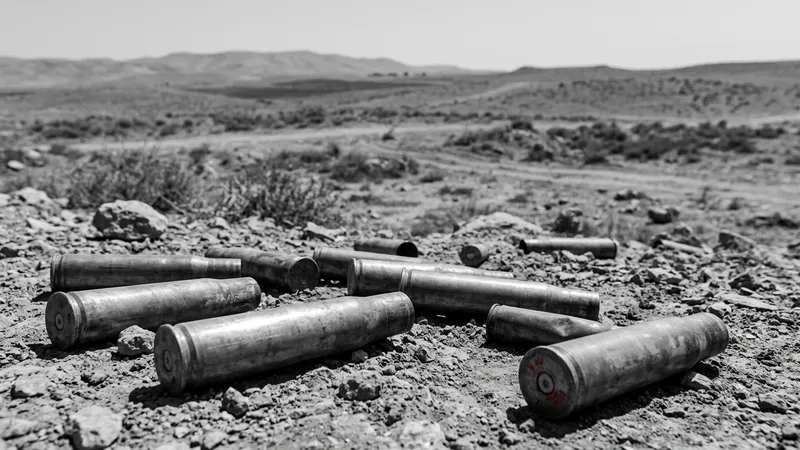
Israeli military operations intensified across southern Syria and Lebanon on Wednesday, even as United States-led diplomatic initiatives continued their push for a regional ceasefire. These actions involved artillery strikes and ground incursions, complicating ongoing efforts to de-escalate tensions.
In Syria, shelling specifically targeted strategic locations situated near Beit Jinn in the Damascus countryside. Concurrently, ground forces reportedly executed raids within the Quneitra region. These latest military movements took place despite recent discussions between Syrian and Israeli officials in Jordan, which aimed to reduce cross-border confrontations.
Continued Military Activity in Lebanon
Simultaneously, Israeli airstrikes and property demolitions persisted throughout southern Lebanon. Areas including Tyre and Bint Jbeil were reportedly impacted by these actions. The Lebanese Ministry of Health has previously reported that the current military campaign, which saw increased intensity starting in March, has resulted in a significant human cost.
Official figures from the Ministry indicate 4,350 fatalities and 12,310 injuries since the escalation began. Furthermore, low-altitude drone activity was observed over Beirut and its southern suburbs, suggesting a broad geographical scope for these operations. The ongoing escalation presents a substantial challenge to a framework agreement established in June.
Challenges to De-escalation Efforts
The June agreement was designed to facilitate an Israeli withdrawal from southern Lebanon, with the understanding that the Lebanese army would then deploy to the border area. Lebanese officials have openly criticized the effectiveness of the US-brokered diplomatic process, citing concerns about its capacity to halt hostilities. They specifically noted a perceived lack of robust enforcement mechanisms to ensure compliance from all involved parties.
Political analysts suggest that the current escalation might be influenced by internal political pressures within Israel. This is particularly relevant given the country's general election scheduled for October. Such domestic political dynamics could be a primary factor driving the intensified military posture, potentially affecting the willingness of parties to commit to or uphold de-escalation agreements.
Future Outlook and Risks
The primary uncertainty moving forward centers on the outcome of Israel's upcoming general election and the subsequent implications for its regional military strategy. Should the current Israeli operations continue without substantial diplomatic intervention, there is a risk of further intensification of cross-border targeting. Such a scenario would likely contribute to greater regional destabilization and place additional strain on global macroeconomic stability. Conversely, effective enforcement of the June framework agreement could lead to de-escalation, allowing for the deployment of the Lebanese army and potentially mitigating future hostilities.
More stories
- Burnham says Brexit vote faced Russian meddling in 2016
- Russian strikes hit Ukraine plants after Trump ceasefire statement
- Saudi flights divert after Dammam airport targeted
- US said to threaten Ukraine weapons, intelligence aid
- Riyadh airport hit again as Trump weighs US role
- Houthis hit Riyadh airport after 12 killed
- France Temporarily Eases Cheese Standards Amid Severe Drought
- Forty Asylum Children Remain Unaccounted For in UK Hotels
- Trump Administration Unveils Global Iran Sanctions Plan
- UK Power Plant Downed by Suspected Iran