Democrats sharpen criticism of Vance as they look past Trump to the 2028 presidential campaign
Democrats are launching a strategic campaign against Senator J.D. Vance in early 2026, aiming to define him before the 2028 presidential race.
Lauren Collins ·
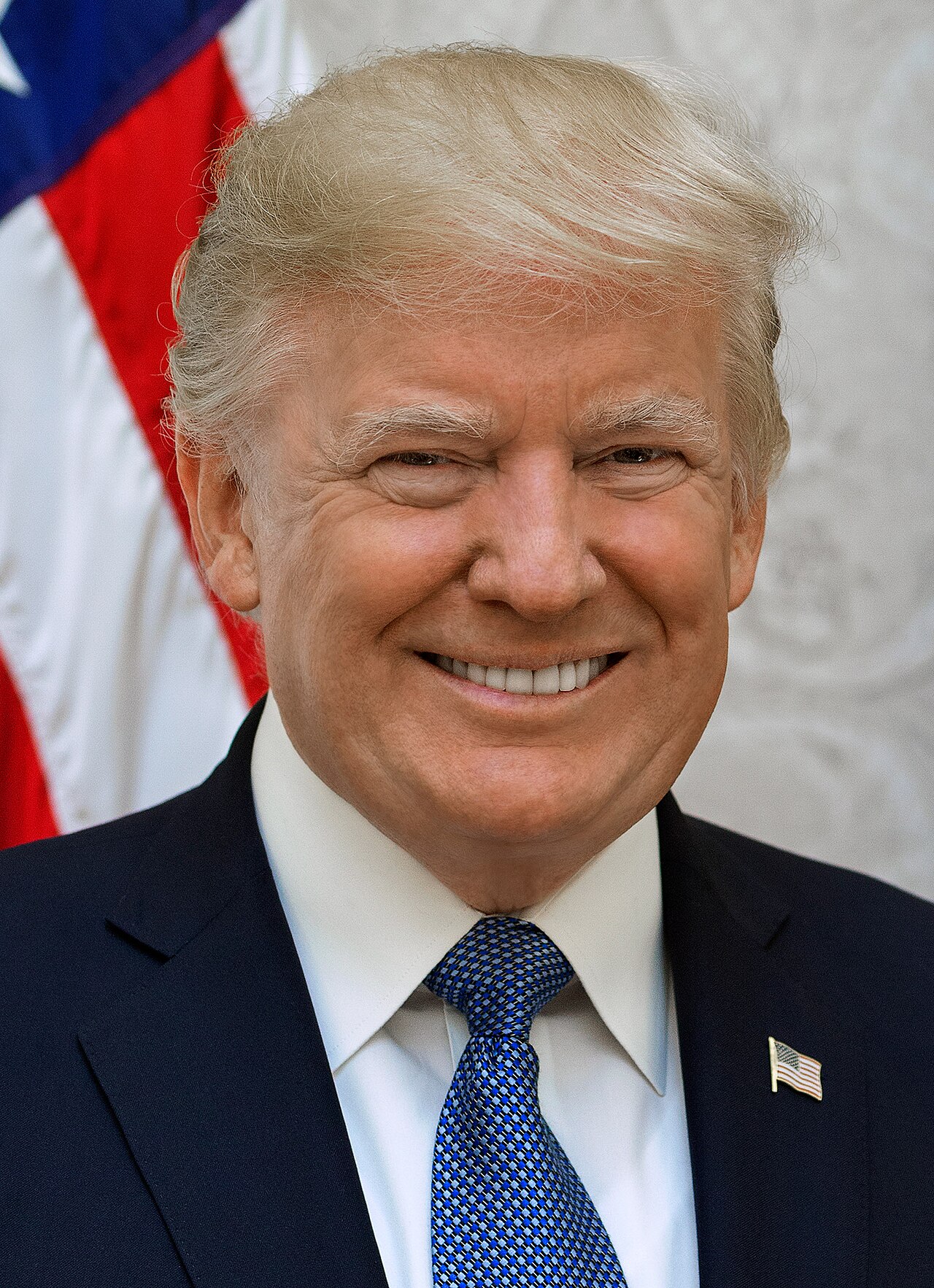
D. Vance (R-Ohio) in early 2026, indicating a strategic move to influence public opinion before the 2028 presidential election cycle. This effort suggests that Democrats view Vance as a significant contender for the Republican presidential nomination. The Democratic National Committee (DNC) and its affiliated organizations are actively distributing materials that scrutinize Vance's political stances and previous public comments.
Democratic Strategy Unfolds
This early engagement by Democrats aims to establish a critical narrative around Senator Vance. The DNC's actions are part of a broader strategy to define potential Republican presidential candidates well in advance of the formal campaign period. This approach allows the party to shape initial perceptions and highlight perceived vulnerabilities.
Focus on Vance's Record
Opposition research being circulated by Democratic groups reportedly focuses on various aspects of Vance's public record. This includes an examination of his voting history, policy positions, and past statements made during his political career and prior to entering public office. The objective is to present a comprehensive, critical overview to the electorate.
Anticipating the 2028 Landscape
The timing of this Democratic initiative, occurring in early 2026, underscores the extended timeline for modern presidential campaigns. Political parties are increasingly engaging in pre-primary positioning, identifying potential threats and opportunities years before the general election. This proactive stance reflects the competitive nature of contemporary American politics.
Historical Context of Preemptive Campaigns
Historically, both major U.S. political parties have engaged in early efforts to define opposing figures. Such campaigns often involve extensive media outreach, digital content creation, and grassroots communication. The goal is to create a durable impression that can influence voter sentiment as the election cycle progresses.
Implications for Republican Field
This Democratic focus on Senator Vance could also influence the dynamics within the Republican Party's potential 2028 primary field. By elevating Vance as a primary target, Democrats inadvertently acknowledge his perceived strength and potential appeal among Republican voters. This could either solidify his standing or prompt other Republican hopefuls to adjust their own strategies.
Broader Political Environment
The political environment leading into 2028 is expected to be highly polarized, following recent election cycles. The Democratic Party's early move against Vance is consistent with a trend of continuous campaigning, where the lines between election cycles become increasingly blurred. This strategy seeks to capitalize on the extended news cycle and social media engagement to disseminate their message widely.
Implications
Country Impact: This preemptive political maneuvering could intensify partisan divisions and shape the national political discourse earlier than usual. It sets a precedent for extended campaign cycles, potentially leading to increased political polarization.
Industry Impact: The media and political consulting industries are likely to see increased activity and demand for services related to opposition research, public relations, and campaign strategy. Digital advertising platforms will also experience heightened political spending.
Market Impact: While direct market impact is limited, prolonged political uncertainty and intense partisan campaigning can contribute to investor caution. Policy debates highlighted by these campaigns could signal future regulatory or economic shifts, influencing long-term market sentiment.