ICC to consider legal advice that criticises UN report on prosecutor Karim Khan
ICC judges are reviewing legal advice that disputes a UN report on Chief Prosecutor Karim Khan, citing methodological flaws.
Lauren Collins ·
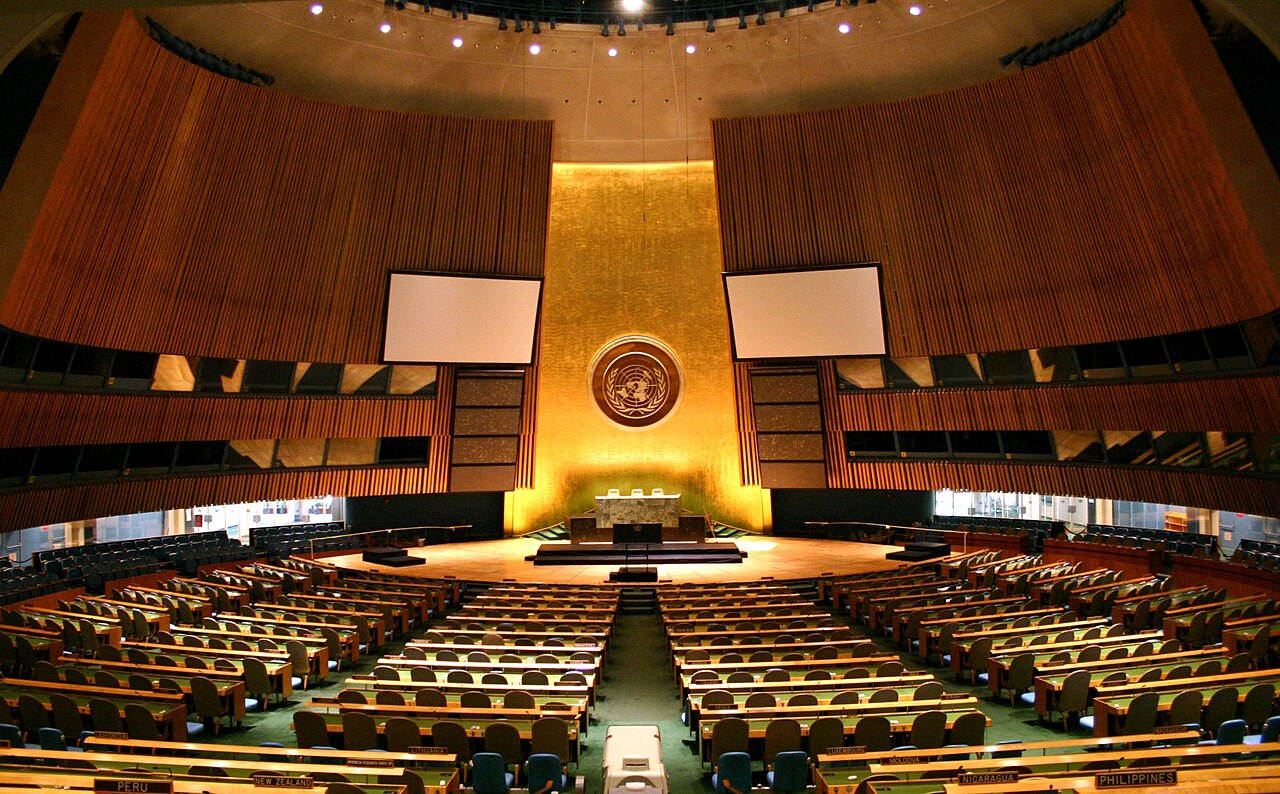
Judges at the International Criminal Court (ICC) are set to review legal advice challenging a United Nations inquiry into allegations against Chief Prosecutor Karim Khan. The ICC's governing body is scheduled to convene on Monday to consider an 85-page report from three judges commissioned by the court. This report directly disputes the findings of a UN investigation that last year identified a factual basis for misconduct claims, including sexual abuse, against Khan.
The panel of ICC judges concluded that the UN inquiry did not establish Khan's actions as misconduct or a breach of duty under the stringent "beyond reasonable doubt" legal standard. Their assessment criticized the UN investigation's methodology, noting its failure to reconcile inconsistencies between Khan's statements and those of the alleged victim. The judges' review was strictly legal, focusing on the UN report itself rather than conducting new witness cross-examinations.
Allegations and Denials
Karim Khan has consistently denied the allegations of misconduct. He has been on leave from his duties since May of the previous year, following the initial UN investigation. Khan has publicly stated that the legal advice from the ICC judges effectively exonerates him from the accusations.
Disciplinary Process and Member State Role
The disciplinary process concerning Khan remains active and confidential, with no final decisions having been reached. The conflicting assessments from the UN and the ICC-commissioned judges have reportedly created divisions among the ICC's member states, who are responsible for the court's oversight. These member states will ultimately determine the outcome, including whether the UN report's findings warrant disciplinary action or if Khan will be dismissed.
Context of International Justice
This situation highlights the complex governance structures within international judicial bodies and the challenges of internal accountability. The ICC, established to prosecute individuals for international crimes, operates under intense scrutiny, and allegations against its senior officials can significantly impact its credibility and operational effectiveness.
The differing conclusions from the UN and the ICC's internal review underscore the difficulties in establishing definitive findings in sensitive cases, particularly when methodologies and evidentiary standards vary between investigative bodies.
Implications for ICC Credibility
The resolution of this matter will have significant implications for the ICC's reputation and its ability to maintain trust among member states and the international community. A clear and transparent resolution is crucial for upholding the court's integrity and its mission to deliver justice.
The ongoing debate among member states reflects the delicate balance between ensuring accountability for high-ranking officials and protecting the institutional integrity of international legal mechanisms. The final decision will set a precedent for how similar allegations are handled within international organizations.
Outlook for Khan's Position
The future of Chief Prosecutor Karim Khan's tenure at the ICC hinges on the interpretation of these conflicting reports by the court's member states. Their decision will not only determine Khan's professional fate but also influence perceptions of fairness and due process within the highest echelons of international law enforcement. The outcome is anticipated to shape future internal investigative protocols for international bodies facing similar challenges.
💊 Kapsül Analysis
📌 What Happened?
- ICC judges issued legal advice disputing a UN report on Chief Prosecutor Karim Khan.
- The judges' report concluded the UN inquiry did not meet the "beyond reasonable doubt" standard for misconduct.
- The UN investigation last year found a factual basis for misconduct allegations, including sexual abuse, against Khan.
🔍 Why It Matters
- The conflicting reports create a governance challenge for the International Criminal Court.
- The situation impacts the credibility and internal accountability mechanisms of a key international judicial body.
- It highlights differing evidentiary standards and investigative methodologies between international organizations.
📈 Market & Political Impact
- **Political:** Potential for division among ICC member states regarding the court's leadership and internal processes.
- **Political:** Could influence future appointments and oversight mechanisms within international legal institutions.
- **Political:** Affects the perception of the ICC's integrity and its ability to operate without internal controversy.
👁️ What to Watch
- The decision by ICC member states on how to interpret the conflicting evidence.
- Any potential disciplinary actions or the outcome of Khan's leave of absence.
- Statements from ICC member states regarding the court's future leadership and internal reforms.
📋 Source Status
Multi-source
📊 Confidence
Level: High — Information is directly reported from official bodies and public statements.
Implications
Country Impact: The differing reports could lead to diplomatic disagreements among ICC member states regarding the court's leadership and internal accountability standards. This may strain relations and influence future voting patterns on court matters.
Industry Impact: For international legal and human rights organizations, this case sets a precedent for how allegations against high-ranking officials are investigated and resolved. It underscores the need for clear, consistent investigative protocols and robust oversight mechanisms.
Market Impact: While not directly impacting financial markets, the controversy could indirectly affect donor confidence and funding for international justice institutions. Perceptions of institutional instability or compromised integrity can influence political will for financial support.