Cuba Blackout: National Grid Collapses Amid Fuel Shortages
Cuba's national electrical grid collapsed, leaving 10 million without power amid severe fuel shortages and an aging infrastructure.
Cuneyd Erdogan ·
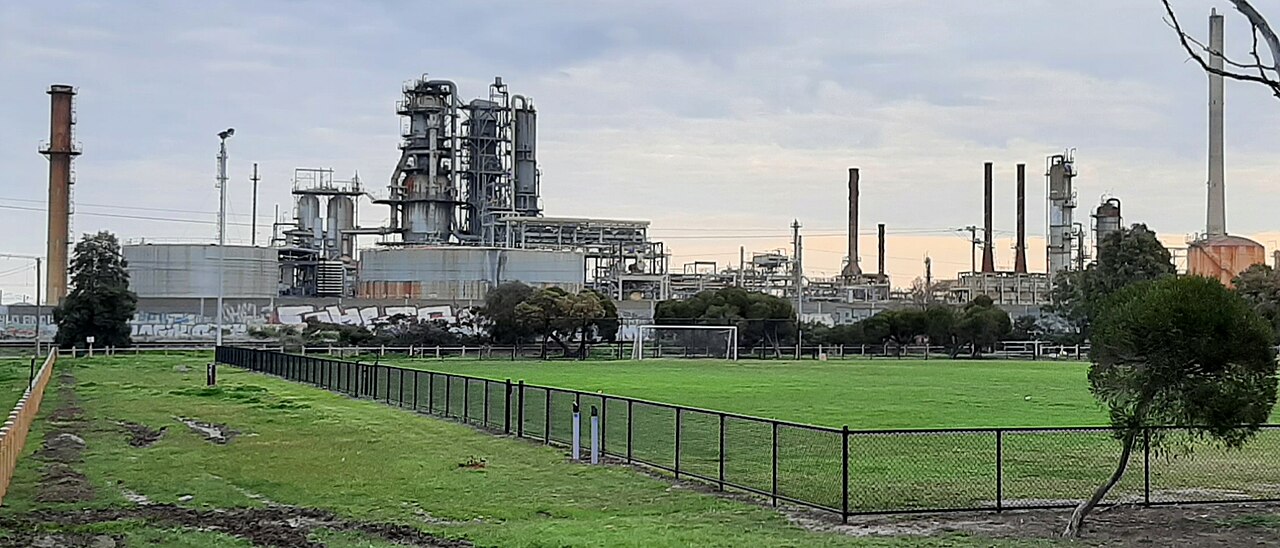
Cuba's national electrical grid experienced a complete collapse on Monday, leaving approximately 10 million residents without power. The state-owned utility, Unión Eléctrica (UNE), confirmed the widespread outage, initiating an investigation into the causes. This incident marks the latest in a series of significant power disruptions that have plagued the island nation.
Widespread Power Failure
The extensive blackout affected nearly the entire population of Cuba, underscoring the fragility of its energy infrastructure. UNE communicated the grid's failure via social media, indicating that technicians were working to restore service. Such large-scale outages have become increasingly common, often lasting for extended periods.
Underlying Energy Challenges
The recurring power crises are primarily attributed to a severe shortage of fuel, particularly oil, which is critical for Cuba's aging power generation plants. The country's energy sector relies heavily on imported petroleum, and its infrastructure is largely outdated, making it susceptible to disruptions. Economic pressures and international sanctions have exacerbated these challenges, limiting access to necessary resources for maintenance and upgrades.
Economic and Social Impact
These prolonged power cuts have significant implications for daily life and the Cuban economy. Businesses face operational hurdles, and essential services are frequently interrupted. The recent collapse follows a weekend of rare public protests, reportedly sparked by similar electricity outages, highlighting growing public frustration over the deteriorating living conditions.
Historical Context of Energy Issues
Cuba has historically grappled with energy independence, relying on external partners for oil supplies. The current situation is compounded by long-standing U.S. economic sanctions, which include restrictions on oil shipments to the island. These measures have complicated Cuba's ability to secure and transport fuel, directly impacting its energy security and the reliability of its electrical grid.
Government Response and Outlook
The Cuban government has acknowledged the severity of the energy crisis, often attributing it to external factors and the U.S. embargo. Efforts to diversify energy sources and modernize infrastructure have been slow, hampered by financial constraints and limited access to technology. The immediate focus remains on restoring power and managing public discontent, while the long-term outlook for energy stability remains uncertain without significant investment and policy shifts.
Implications
Country Impact: Cuba faces heightened social unrest and economic disruption due to persistent power outages. The lack of reliable electricity impacts daily life, essential services, and business operations across the island.
Industry Impact: The energy sector in Cuba is under severe strain, characterized by an aging infrastructure and critical fuel shortages. This situation necessitates significant investment in modernization and diversification of energy sources.
Market Impact: The ongoing energy crisis could deter foreign investment and exacerbate Cuba's economic challenges. The instability of the power grid adds to the operational risks for any businesses operating within the country.