Cuba reports second nationwide power grid outage in a week - AP News
Cuba experienced its second nationwide power outage in a week on March 21, 2026, due to an aging electrical grid failure.
Lauren Collins ·
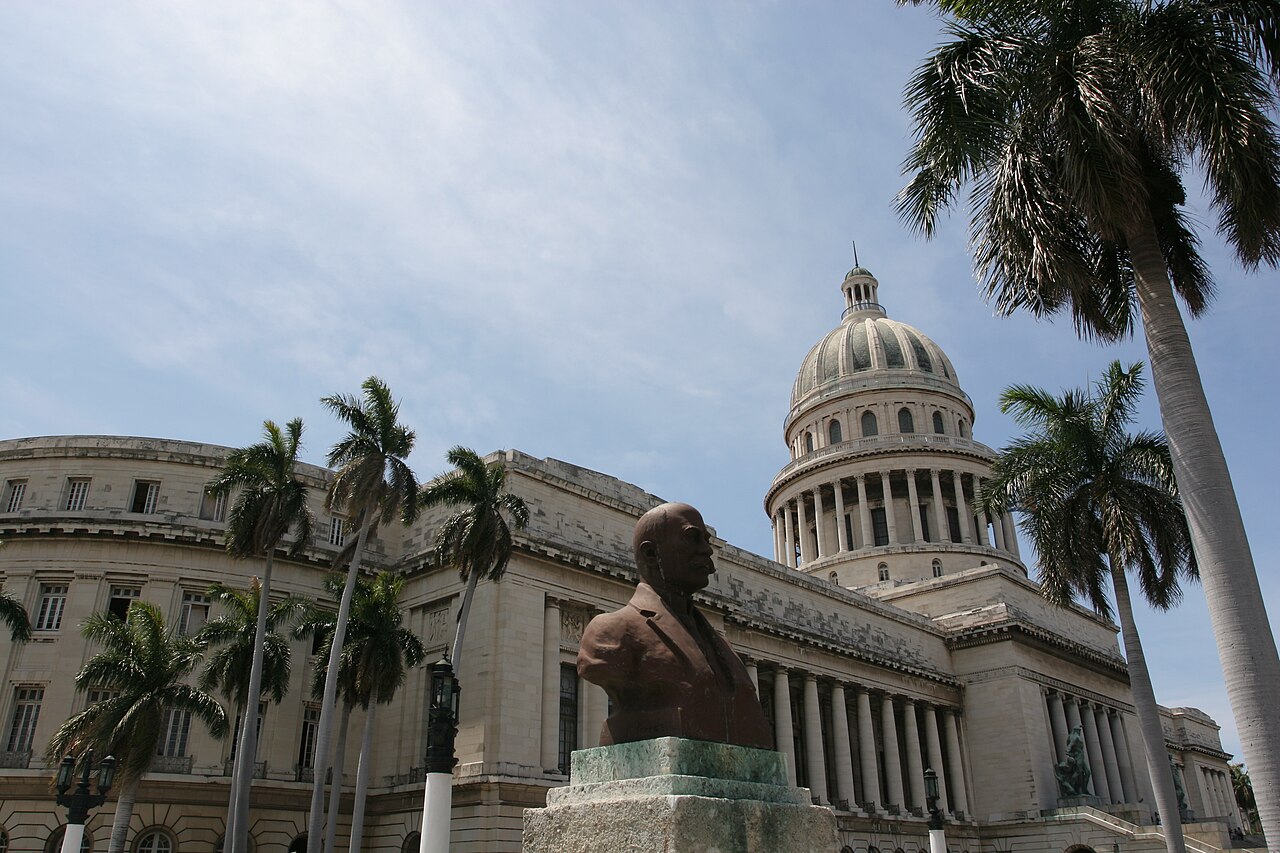
Cuba's national electrical grid experienced a complete collapse on March 21, 2026, resulting in a nationwide power outage. This incident marks the second such widespread blackout within a single week, plunging the entire island into darkness. The disruption underscores the persistent challenges facing Cuba's aging energy infrastructure.
The immediate cause of the latest outage was identified as a failure within the country's electrical system. This infrastructure has been subject to significant deterioration over an extended period, largely due to insufficient maintenance and a lack of investment in modernization efforts.
Infrastructure Challenges and Economic Factors
The fragility of Cuba's power grid is a long-standing issue, exacerbated by a combination of economic difficulties and external pressures. The country's economic situation has limited its capacity to fund necessary upgrades and repairs to its energy network.
Furthermore, U.S. sanctions have complicated Cuba's ability to acquire essential spare parts and fuel. These restrictions hinder both the routine maintenance of existing power plants and the operational capacity required to generate consistent electricity.
Impact on Daily Life and Services
The nationwide blackout has brought all electrical services across Cuba to a halt. This directly impacts the daily lives of citizens, disrupts essential public services such as healthcare and water supply, and severely affects economic activities throughout the island.
Previous widespread outages have often led to prolonged periods of disruption before full restoration is achieved. The current timeline for resolving this latest incident and fully restoring power remains unclear, raising concerns about extended hardship for the population.
Historical Context of Power Instability
Cuba has a history of facing significant challenges with its electrical grid, with blackouts becoming a recurring issue. The reliance on an outdated system, coupled with limited resources for modernization, has made the country particularly vulnerable to system failures.
Efforts to stabilize the grid have been ongoing but are frequently hampered by the same underlying economic and geopolitical factors. The repeated nature of these outages highlights the systemic issues within the energy sector that continue to affect national stability and public welfare.
Outlook for Energy Sector Stability
The frequency of these national power failures points to an urgent need for comprehensive investment and strategic overhauls in Cuba's energy infrastructure. Without significant improvements in maintenance, access to modern technology, and reliable fuel supplies, the island is likely to continue experiencing such disruptions.
The long-term stability of Cuba's power supply is intrinsically linked to its economic recovery and its ability to navigate international trade and financial restrictions. Addressing these foundational issues will be critical for ensuring consistent electricity access for its citizens and supporting economic development.
Implications
Country Impact: The repeated national power outages severely disrupt daily life, essential services, and economic activity across Cuba. This exacerbates existing economic challenges and can lead to social unrest.
Industry Impact: The energy sector in Cuba faces critical infrastructure deficiencies and operational constraints due to lack of investment and access to parts. This impacts all industries reliant on stable power, from manufacturing to tourism.
Market Impact: Frequent power outages deter foreign investment and hinder economic growth, impacting Cuba's ability to attract capital and integrate into global markets. The instability creates uncertainty for any market operations within the country.