Crowds mourn Khamenei in Tehran after airstrikes
Thousands gathered in Tehran for a public farewell to Iran’s former Supreme Leader, sharpening focus on succession and regional risk.
Mateo Fernandez ·
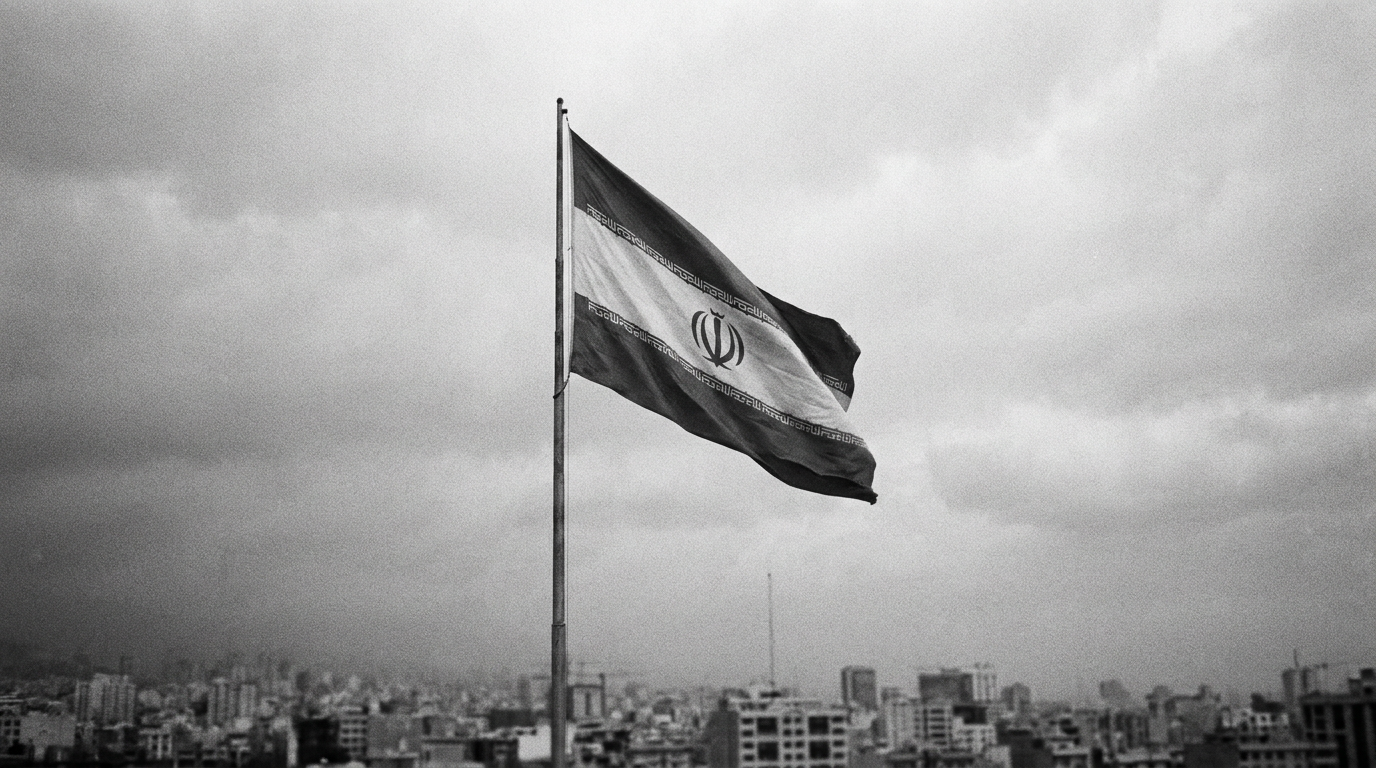
Thousands of people gathered at Imam Khomeini Grand Mosalla in Tehran on Saturday, July 4, for a public farewell ceremony for Ayatollah Ali Khamenei, Iran’s former Supreme Leader. Officials said Khamenei was killed in US-Israeli airstrikes in February, making the ceremony a focal point for domestic mourning and regional tension.
Tehran ceremony tests succession nerves
The gathering placed Iran’s political transition back at the center of the region’s security debate. Khamenei’s role as Supreme Leader put him above Iran’s elected institutions, with final authority over the military, foreign policy and key state appointments.
For markets, the immediate question is whether the ceremony stays contained as a state-managed mourning event or becomes a signal of broader political mobilization. Any escalation in rhetoric or security activity could feed geopolitical risk premiums across energy, shipping and regional credit, even before hard market prices adjust.
The direct institutional issue is succession. If Iranian authorities project unity and keep public order, the macro effect may be limited to a watchful risk premium; the state would gain room to manage the transition. If factional tension or cross-border retaliation rises instead, Iran would face deeper pressure, while the wider Middle East energy and transport complex would become more exposed to disruption risk.
The next 24 hours through July 5, 2026, will be critical for official signals on mourning events, security posture and any response to the February airstrikes.