IAEA access hinges on Iran-US talks, Grossi says
Rafael Grossi said the nuclear watchdog’s access to Iranian facilities depends on negotiations between Washington and Tehran.
Mateo Fernandez ·
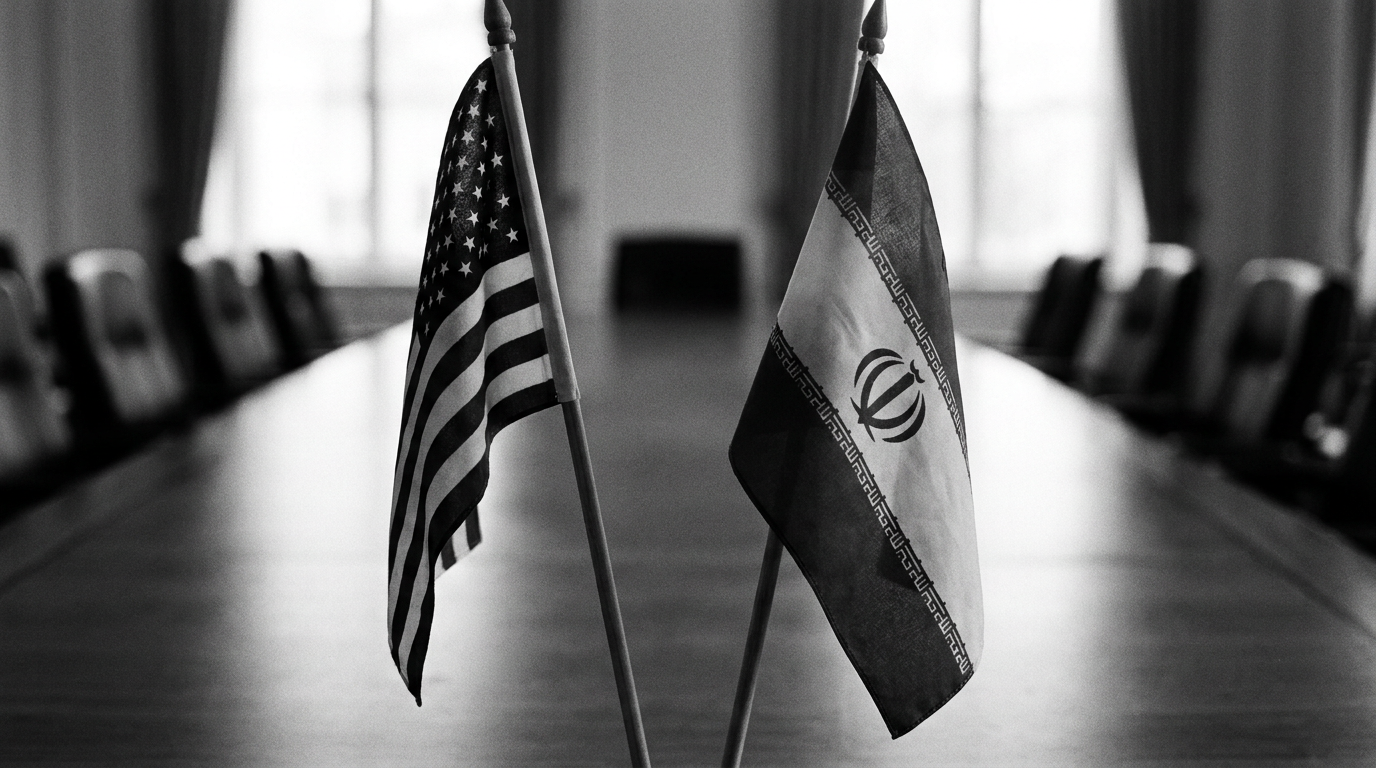
IAEA Director General Rafael Grossi said on July 4, 2026, that the agency’s access to Iranian facilities depends on negotiations between the United States and Iran. Reaction pending. The remark ties the nuclear monitor’s practical reach inside Iran to a diplomatic channel outside the agency’s direct control.
The statement matters for markets because IAEA access is one of the main ways governments and investors assess nuclear-risk signals from Iran. When inspection access becomes conditional or less clear, uncertainty can feed into oil-risk premia, shipping-risk assumptions and broader haven demand before any confirmed supply disruption.
Iran-US channel sets inspection path
Grossi’s formulation leaves the agency dependent on a political negotiation rather than a purely technical inspection timetable. It also puts Washington and Tehran at the center of the next disclosure cycle for investors tracking Gulf security, sanctions risk and energy-market spillovers.
For the IAEA, delayed or limited access would reduce the timeliness of monitoring and make public assessments harder to read. For energy markets, the key mechanism is risk perception: if access improves, concern over escalation may ease; if access is blocked or delayed, traders may add a higher geopolitical premium to oil-linked assets.
On July 4, 2026, the immediate forward call is diplomatic: if officials signal progress in the next 24 hours, geopolitical risk pricing may soften at the margin; if talks stall or access remains unclear, oil-sensitive assets and regional risk gauges could stay vulnerable into the next trading session.