Khamenei funeral begins as Iran faces succession test
Funeral services for Ayatollah Ali Khamenei open a sensitive transition for Iran and its regional network.
Mateo Fernandez ·
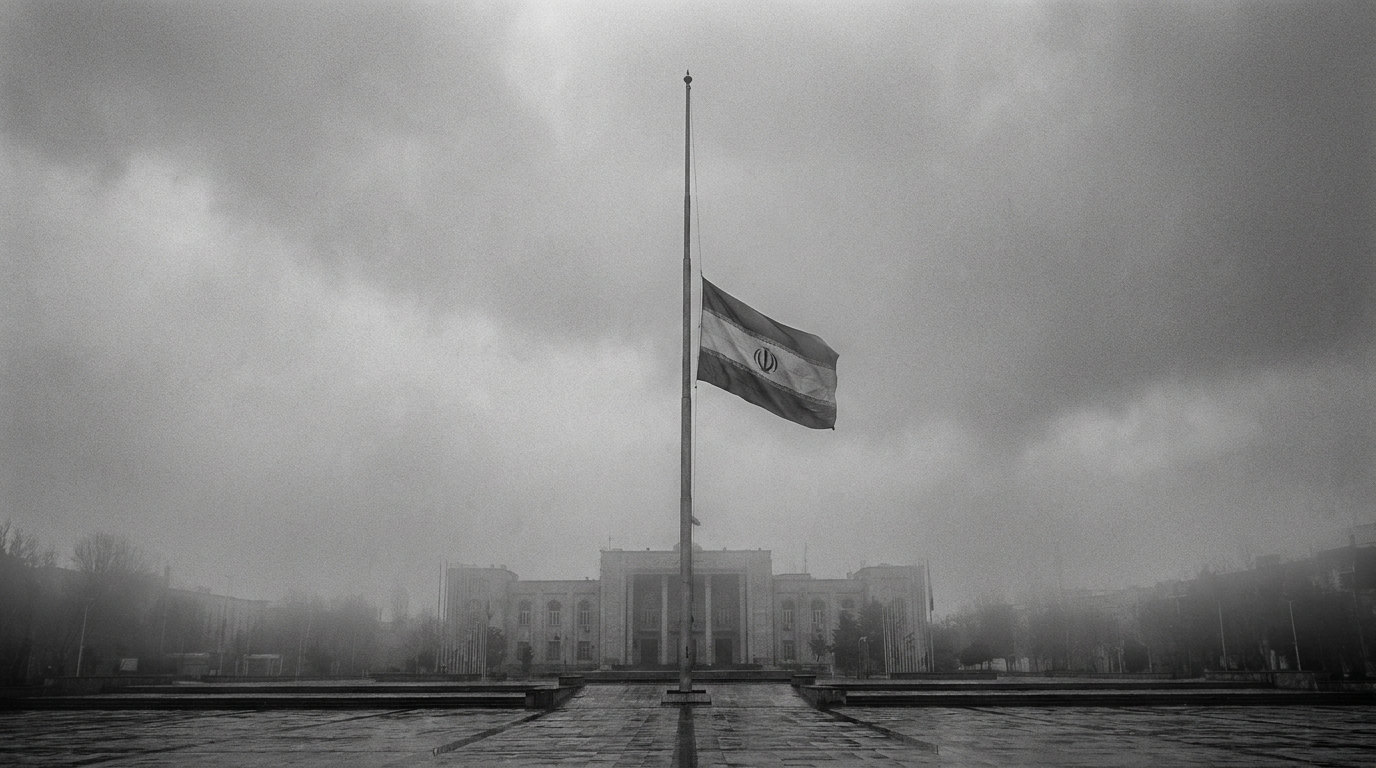
Officials said funeral services for Ayatollah Ali Khamenei began in Iran on Saturday, opening a political transition with consequences well beyond Tehran. Khamenei had long concentrated power at the apex of the Iranian system, presided over domestic crackdowns and backed an armed proxy network that extended Iranian influence across the Middle East.
Iran succession pressure builds
The immediate issue is continuity. Iran’s leadership structure rests heavily on the supreme leader’s authority over security, ideology and strategic direction, so any succession process will be watched for signs of consensus or factional stress. A smooth transfer would help preserve the state’s regional posture and reduce the risk of sudden policy shifts.
A contested process would carry different risks. If rival power centers appear divided, regional actors could test boundaries, proxies could face uncertainty over command and funding, and foreign governments may delay decisions while they assess who can speak for Tehran. The effect would be geopolitical first, but it could spill into oil, shipping security and regional credit risk if tensions rise.
For Iran, the funeral period is also a display of control. Large state ceremonies can signal institutional unity, but they can also expose strains if public grief, security measures or elite messaging diverge.
The next formal signal is expected on July 4, 2026, or within the following 48 hours, when officials may clarify the succession timetable, funeral schedule and chain of authority.