Liberal Democrats Call for Cross-Party Summit on Extreme Weather Risks
The Liberal Democrats are demanding a cross-party climate summit to address the economic and security risks of extreme weather, citing concerns over…
Lauren Collins ·
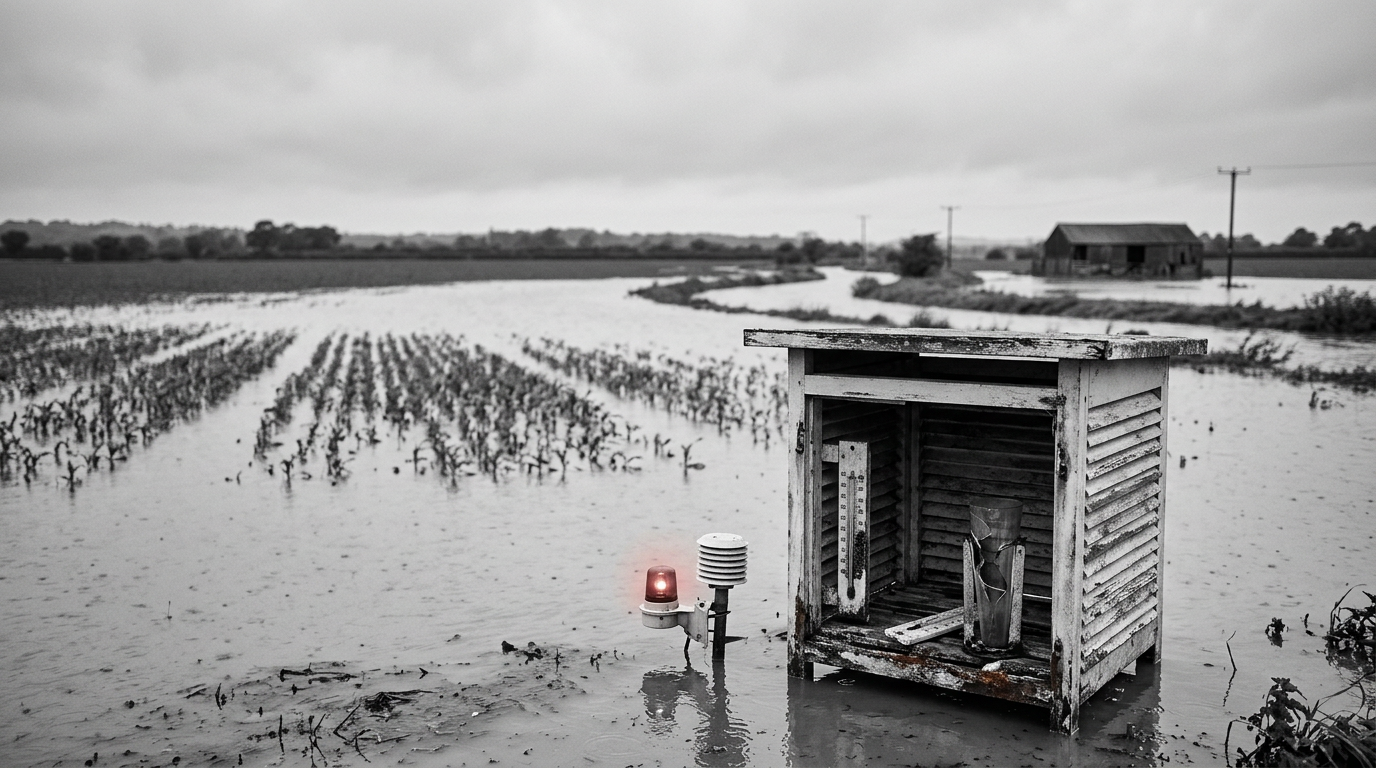
The Liberal Democrats have formally requested a cross-party summit to address security and economic risks posed by extreme weather events, including a projected severe El Niño cycle. This call follows five consecutive heatwaves, which analysts expect will intensify domestic flooding, agricultural instability, and inflationary pressures on food supplies.
While the government maintains its existing initiatives, including a £10.5 billion investment in flood and coastal erosion schemes through 2036, are sufficient, critics argue current adaptation strategies lack the necessary long-term political consensus. The proposed meeting aims to formalize a unified approach to climate resilience, despite significant ideological divisions among major political factions regarding net-zero commitments.
Government Faces Competing Priorities Institutional risks remain elevated as the government navigates Institutional risks remain elevated as the government navigates competing priorities between immediate infrastructure spending and long-term climate mitigation. The absence of a cross-party framework may limit the state's ability to implement systemic changes, potentially increasing the fiscal burden of future disaster recovery and supply chain disruptions. El Niño's Potential Impact The forthcoming El Niño could bring more serious problems for the UK, with analysts warning of increased intensity for flooding and storms over the autumn and winter. The magnitude of this El Niño cycle is described as unprecedented, potentially exacerbating weather extremes already observed.
Political Divide on Climate Action
Labour Member of Parliament Clive Lewis backed the Liberal Democrats' call for a cross-party meeting, emphasizing the need for political cooperation to build consensus for a radical transition. However, another Labour MP, Jon Pearce, expressed skepticism, suggesting that the Conservative and Reform UK parties are unlikely to engage given their recent stances on climate action.
The Liberal Democrats
The Conservative party indicated they would not speculate on hypothetical talks to which they had not been invited, while the Reform party did not respond to requests for comment. This division highlights a significant obstacle to forming a unified national strategy for climate resilience.
Long-Term Fiscal Implications
If political consensus remains elusive, the UK could face greater fiscal pressure from future disaster recovery efforts. The inability to enact systemic climate adaptation measures could lead to higher government spending on repairs and relief, impacting the overall macro picture through increased national debt or reallocated funds from other public services.