Oil Shock Accelerates Global Clean Energy Transition
An oil shock, driven by Middle East conflict, is accelerating the global clean energy transition, according to John Kerry, boosting energy independence.
Lauren Collins ·
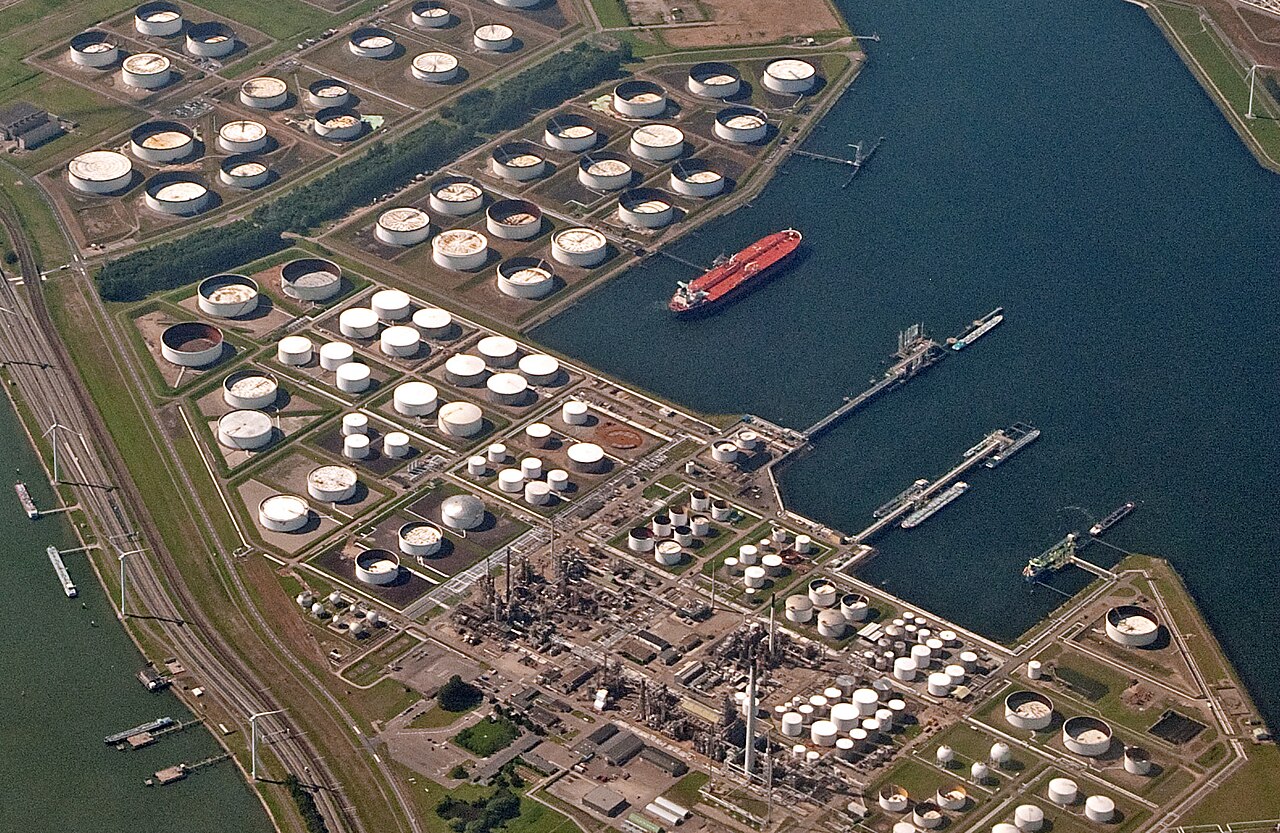
The current global energy landscape, marked by significant oil price volatility, is poised to accelerate the transition towards clean energy sources more effectively than previous climate change initiatives. This assessment comes from former U.S. Secretary of State John Kerry, who highlighted the national security implications of fossil fuel dependence.
Kerry emphasized on Monday that nations are increasingly recognizing the strategic imperative of energy independence. This shift is driven by the need to mitigate national security risks and economic disruptions associated with reliance on volatile fossil fuel markets. The ongoing conflict in the Middle East, specifically impacting oil production and transit, has underscored these vulnerabilities.
Geopolitical Drivers for Energy Shift
The recent surge in oil prices, attributed to disruptions in Middle Eastern oil fields and shipping routes like the Strait of Hormuz, has exposed the fragility of economies heavily reliant on fossil fuels. While the conflict is not primarily an "oil war," its economic fallout serves as a powerful catalyst for policy changes.
Kerry drew parallels to the 1970s oil embargo, which similarly spurred a rapid pivot towards alternative energy sources due to national security concerns. He noted that this historical precedent demonstrates how geopolitical events can drive energy transitions at a pace unmatched by environmental awareness campaigns alone.
Strategic Investment in Renewables and Nuclear
To achieve greater energy autonomy, Kerry advocated for substantial investment in both renewable energy technologies and advanced nuclear power. This includes the development of small modular reactors (SMRs), which offer a scalable solution for low-carbon electricity generation.
The demand for clean energy is also increasing due to emerging technologies, such as artificial intelligence data centers, which require significant and reliable power supplies. These new demands further strengthen the economic case for transitioning away from traditional fossil fuels.
Economic Advantages and National Security
The economic benefits of deploying clean energy technologies are becoming increasingly compelling for nations. By developing robust domestic clean energy infrastructure, countries can enhance their national security and economic stability, positioning themselves as "electro states" rather than vulnerable "petro states."
This strategic shift aims to insulate economies from the geopolitical risks and price fluctuations inherent in the global fossil fuel market. China, for instance, initiated a significant transition away from fossil fuels in 2019, demonstrating a proactive approach to energy security and sustainability.
Implications
Country Impact: Nations globally may accelerate investments in renewable energy and nuclear power to enhance energy independence and reduce vulnerability to geopolitical oil shocks. This could lead to diversified energy portfolios and reduced reliance on imported fossil fuels.
Industry Impact: The clean energy sector, including solar, wind, and nuclear technology developers, is likely to see increased investment and demand. Conversely, the fossil fuel industry may face long-term challenges as countries prioritize alternative energy sources for national security.
Market Impact: Global energy markets could experience a structural shift, with increased capital flows into clean energy infrastructure and technologies. Oil prices may remain volatile in the short term due to geopolitical events, but the long-term trend could favor decarbonization efforts.