Consumer sentiment falls as inflation worries deepen in US
US consumer sentiment fell to 48.1 in September, a four-month low, as households reported weaker economic and personal-finance expectations.
Jurgen Goldmeier ·
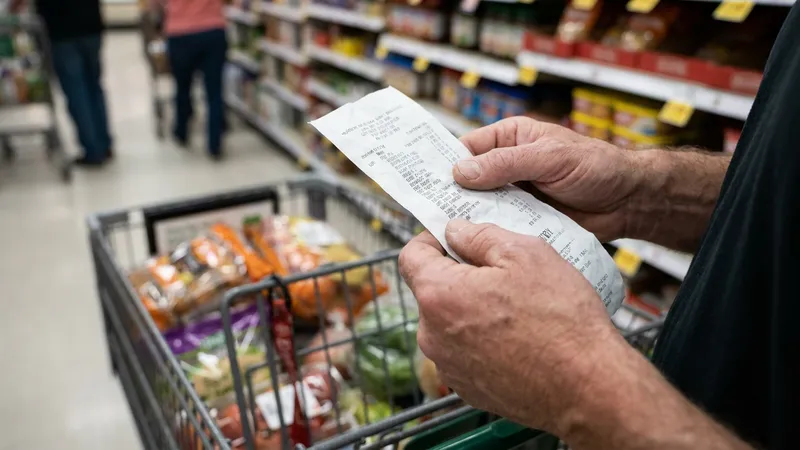
US consumer sentiment fell to 48.1 in September, a four-month low, as inflation expectations rose and economic confidence weakened.
The University of Michigan’s final index declined from August, according to the survey released with the September data. The reading showed pressure on both households’ assessment of present conditions and their view of the months ahead.
Inflation expectations move higher
Consumers said they expected prices to rise 4.6% over the next year, up from 4% in the prior month, the survey showed. Their five- to 10-year inflation outlook rose to 3.4%, the highest level since May.
The figures matter because inflation expectations can influence wage demands, household purchases and the policy debate around interest rates. A higher expected path for prices can also make consumers more likely to buy some goods sooner if they think waiting will cost more.
Joanne Hsu, director of the survey, said the deterioration was not limited to one political group. "Despite political differences, consumers unanimously believe that the outlook for the economy has diminished," Hsu said in a statement.
Household finances lose ground
The survey’s gauge of the economic outlook for the year ahead fell to its lowest level since 2022. Consumers’ expectations for their own finances also worsened, pointing to a broader squeeze than a single price category.
The report said sentiment has weakened since the start of the year across age, education, geography, political party and income groups. That breadth suggests higher prices and softer expectations are cutting across the usual divides in household surveys.
Buying conditions for durable goods improved slightly, but the reason was cautious rather than upbeat. Hsu said the gain was partly "due to a perception that completing such purchases now would help consumers avoid higher prices in the future."
Retail demand faces the test
The shift leaves retailers, automakers and appliance sellers with a mixed signal: some purchases may be pulled forward, while confidence in future finances is weakening. If households accelerate durable-goods purchases to avoid expected price increases, companies could see near-term sales hold up before demand softens later.
If inflation expectations stay elevated, the global macro effect would run through US consumption, still a key driver of demand for goods and imports. For consumer-facing companies, that path would mean greater pressure to manage inventories, pricing and financing offers; for the wider retail and manufacturing sectors, it would raise the risk of uneven demand by category.
If price expectations ease instead, the mechanism would be different: households would have less reason to rush purchases, and confidence could stabilize if income expectations stop deteriorating. Under that scenario, the macro pressure from US consumption would be less severe, while retailers and durable-goods producers would still need to judge whether September’s weakness was a pause or the start of a longer pullback.
The main open question is whether the September drop reflects a temporary reaction to higher living costs or a more durable turn in consumer behavior. The next readings on inflation expectations, personal finances and buying conditions will show whether households are adjusting spending plans or only reporting weaker confidence.