Global Pressure Mounts on Iran Over Hormuz Threat
Hormuz closure talks brought 40+ nations together Thursday to press Iran, as officials warn of energy shocks and rising food insecurity.
Lauren Collins ·
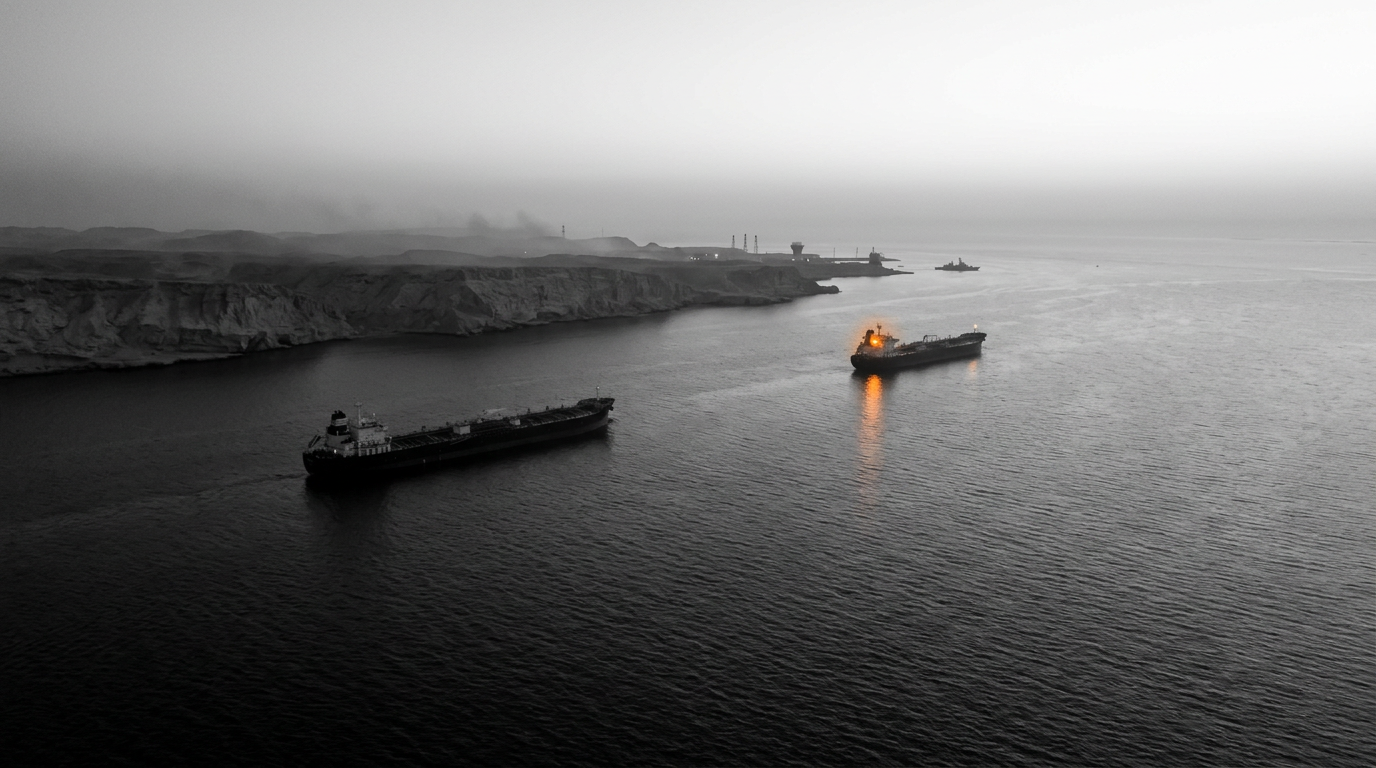
More than 40 nations met virtually on Thursday to coordinate ways to push Iran to reopen the Strait of Hormuz, a major route for global shipping. The meeting was hosted by UK Foreign Secretary Yvette Cooper and centered on diplomatic, economic, and coordinated steps aimed at limiting disruption to international trade and the wider economy.
Officials described the talks as focused on how to increase pressure on Iran after what Cooper called “reckless strikes” and attempts to “hijack the global economy.” She said the effects are being felt across regions, pointing to higher petrol prices, rising mortgage rates, increased jet fuel costs, and reduced fertilizer availability for Africa. Cooper also cited impacts on gas supplies to Asia, framing the issue as a broad international economic shock rather than a localized maritime dispute.
Participants discussed options for countries in the global south to apply economic pressure on Iran. The agenda also included consideration of a humanitarian shipping corridor intended to keep fertilizer moving, with the stated aim of preventing food shortages in vulnerable countries. The focus on fertilizer supply highlighted how the disruption is extending beyond energy markets into agricultural inputs and food security concerns.
Separately, a further military-focused discussion is scheduled for next week and will be convened by Britain’s Permanent Joint Headquarters. Officials said the session will assess whether it is feasible to clear sea mines and assist ships that are trapped in the Strait. The planned meeting was presented as an evaluation of operational options rather than an announcement of action, leaving the scope and timing of any potential steps uncertain.
The World Bank has warned that if the blockage continues, 9 million people globally could face food insecurity, alongside what it described as unsustainable increases in oil and food prices. Australia’s Foreign Minister, Penny Wong, said coordinated diplomacy is needed and described Iran’s actions as driving unprecedented energy supply shocks. She added that the consequences are falling most heavily on vulnerable communities.
For global markets and policymakers, the discussions underscored how a disruption at a key chokepoint can quickly transmit into fuel, transport, and food-related costs across continents. While the coalition outlined diplomatic and economic avenues and explored humanitarian measures, the duration of the disruption and the practicality of maritime clearance operations remain key unknowns as governments prepare next steps.