US Bombs Iran Bridge as Tensions Soar
U.S. bombs Iran’s B1 Bridge on April 2, with two reported deaths; oil jumps 7% to $108 as UN warns of wider war risk.
Lauren Collins ·
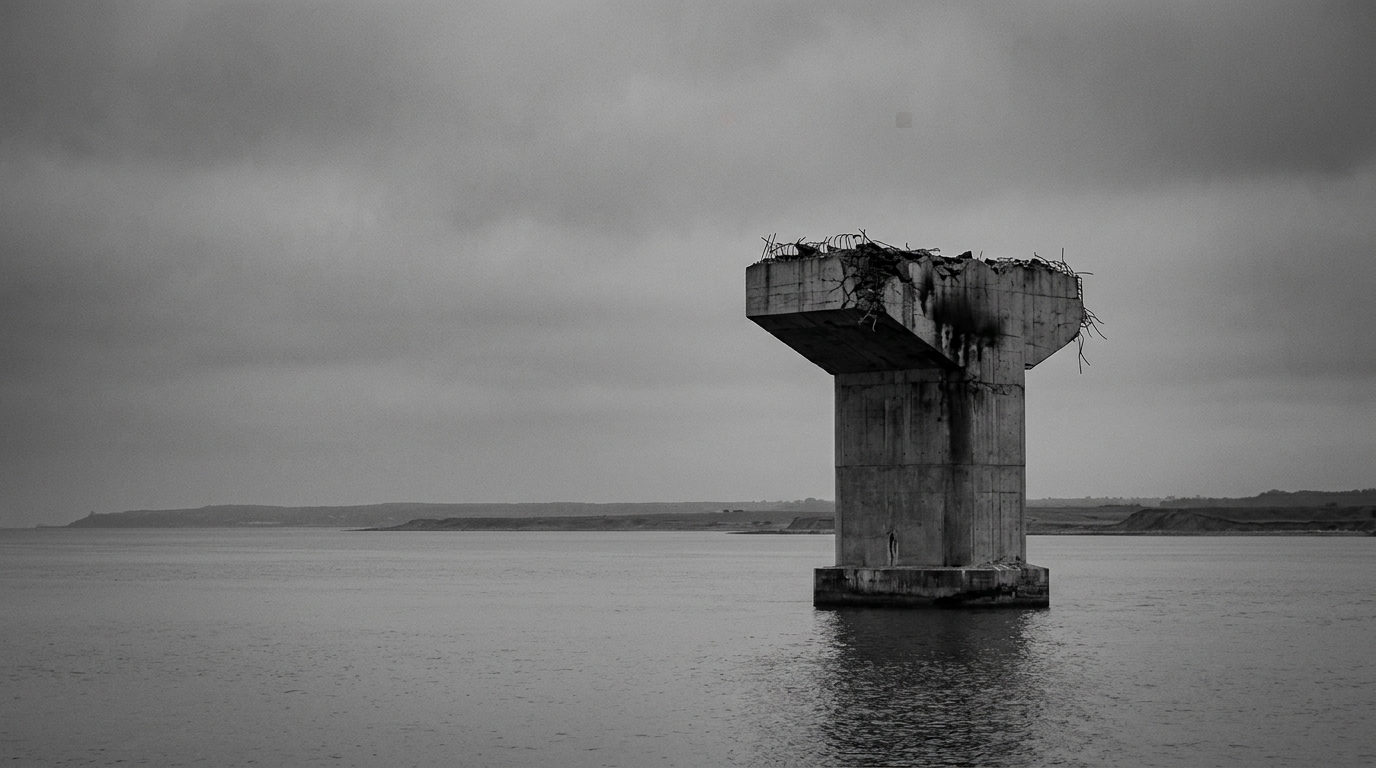
The United States military bombed the B1 Bridge, described as Iran’s largest bridge linking Karaj to Tehran, on April 2. The strike was reported to have killed two people and came during an ongoing conflict between the U.S. and Iran. U.S. President Donald Trump said he was responsible and warned of additional actions if a peace deal is not reached.
The bridge had recently been completed and was described as a 136-meter-high suspension structure costing $400 million. It was hit twice, and the impacts were reported to have split the bridge in half. Trump posted video of the collapse on Truth Social, saying the bridge would “never be used again” and adding that there would be “much more to follow” without a settlement.
The attack followed a speech in which Trump said the U.S. and Israel’s five-week-long war on Iran was “nearing completion.” In the same context, he also threatened to destroy Iran’s power plants. The B1 Bridge strike was presented as part of a broader set of actions this week, with several strikes in Iran described as confirmed, including an attack on a missile base in Isfahan.
Humanitarian figures cited by the International Red Cross and Red Crescent Societies put the toll in Iran since the conflict began at more than 1,900 killed and 20,000 injured. Separately, UN Secretary-General António Guterres warned that the situation could widen into a broader war. The combination of military escalation and warnings from international bodies underscored the risk of further regional destabilization.
Markets reacted quickly after the bridge strike. Oil prices rose 7% to $108 per barrel following the attack, reflecting heightened concern about the conflict’s trajectory. The move highlighted how developments in the U.S.-Iran confrontation can transmit rapidly into global energy pricing, with potential knock-on effects for inflation-sensitive economies and energy-importing countries.
Key uncertainties remain, including whether further strikes will follow and whether diplomatic efforts can produce the peace deal referenced by Trump. The reported casualty figures and the scale of damage to major infrastructure also point to the possibility of additional humanitarian and economic strain inside Iran as the conflict continues.