Paris and Marseille in focus as French vote in local election runoffs
French municipal runoffs March 22, 2026, in Paris & Marseille, test party strength, including National Rally, ahead of 2027 presidential election.
Lauren Collins ·
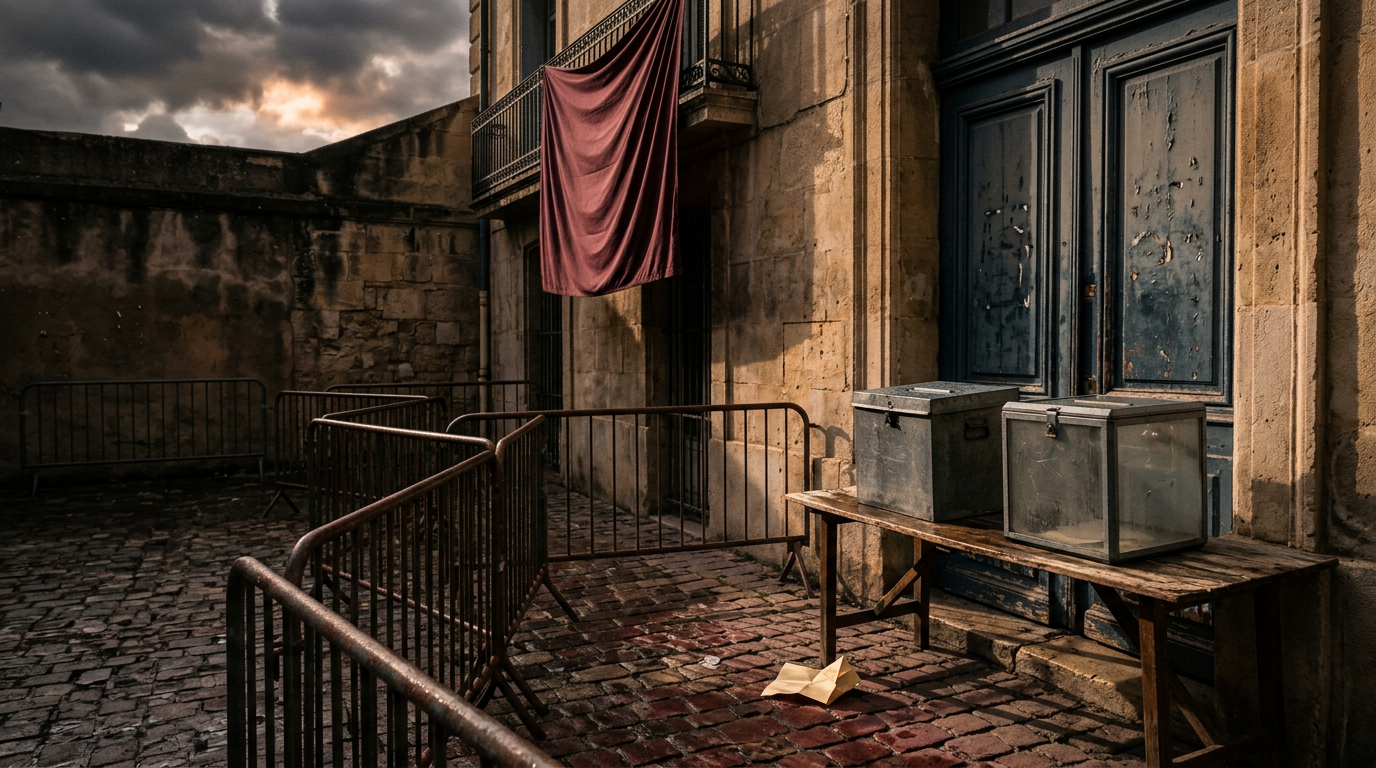
Voters across France participated in the second round of municipal elections on Sunday, March 22, 2026, with significant contests unfolding in major urban centers such as Paris and Marseille. These runoffs are being closely watched as a barometer for the broader political climate, particularly ahead of the 2027 presidential election. The outcomes offer insights into the evolving electoral strength of various political factions, including the far-right National Rally (RN).
The municipal elections encompass over 1,500 cities and towns, where mayors traditionally command substantial public confidence. While numerous municipalities concluded their electoral processes in the initial round, competitive races in key urban areas necessitated these runoff contests.
Key Contests in Major Cities
In Marseille, the National Rally is challenging the incumbent Socialist mayor, a contest that could mark a notable advance for the far-right party in a significant urban center. The dynamics in Marseille were further complicated by the withdrawal of a hard-left candidate, a strategic move intended to consolidate the left-wing vote against the RN.
Meanwhile, in the capital city of Paris, pre-election surveys indicated a tight competition between conservative and left-leaning candidates. The results from these high-profile races are expected to provide crucial data points on voter sentiment and potential shifts in political allegiances.
National Rally's Performance and Outlook
The National Rally has historically encountered difficulties in securing widespread victories in municipal elections. The first round of the current elections yielded varied results for the party, with successes primarily concentrated in its established strongholds rather than achieving broader gains across the country. However, an ally of the RN is projected to win in Nice, indicating some regional successes.
These local election results serve as an important preliminary assessment of political trends and voter preferences. They offer a granular view of how different parties are resonating with the electorate at a local level, which can often foreshadow national political developments. The performance of the RN, in particular, is under scrutiny as it seeks to expand its influence beyond its traditional base.
Implications for 2027 Presidential Election
The municipal outcomes are considered a significant indicator for the upcoming 2027 presidential election. Strong performances by any party in these local contests could signal momentum and influence campaign strategies for the national race. Conversely, setbacks could prompt internal re-evaluations and adjustments in political platforms.
The ability of parties to form effective alliances and mobilize their voter bases in these runoffs provides a practical test of their organizational strength. The results will likely shape political discourse and inter-party dynamics in the lead-up to the next presidential contest, offering a preliminary glimpse into the potential contenders and their electoral viability.
Implications
Country Impact: The election results will offer a snapshot of France's political landscape, potentially influencing national policy debates and party strategies ahead of the 2027 presidential election. Shifts in local power could reflect broader voter sentiment.
Industry Impact: No direct industry-specific implications are immediately apparent from the provided information. However, changes in local governance could indirectly affect urban development projects, local business regulations, and public service contracts.
Market Impact: While municipal elections typically have limited direct market impact, a strong showing by the far-right National Rally could introduce political uncertainty, potentially affecting investor confidence in French assets or the euro in the medium term.