Close call between Alaska Airlines and Fedex planes at Newark airport under investigation
The NTSB is investigating a runway incursion at Newark Liberty International Airport involving an Alaska Airlines Boeing 737 and a FedEx Boeing 777.
Cuneyd Erdogan ·
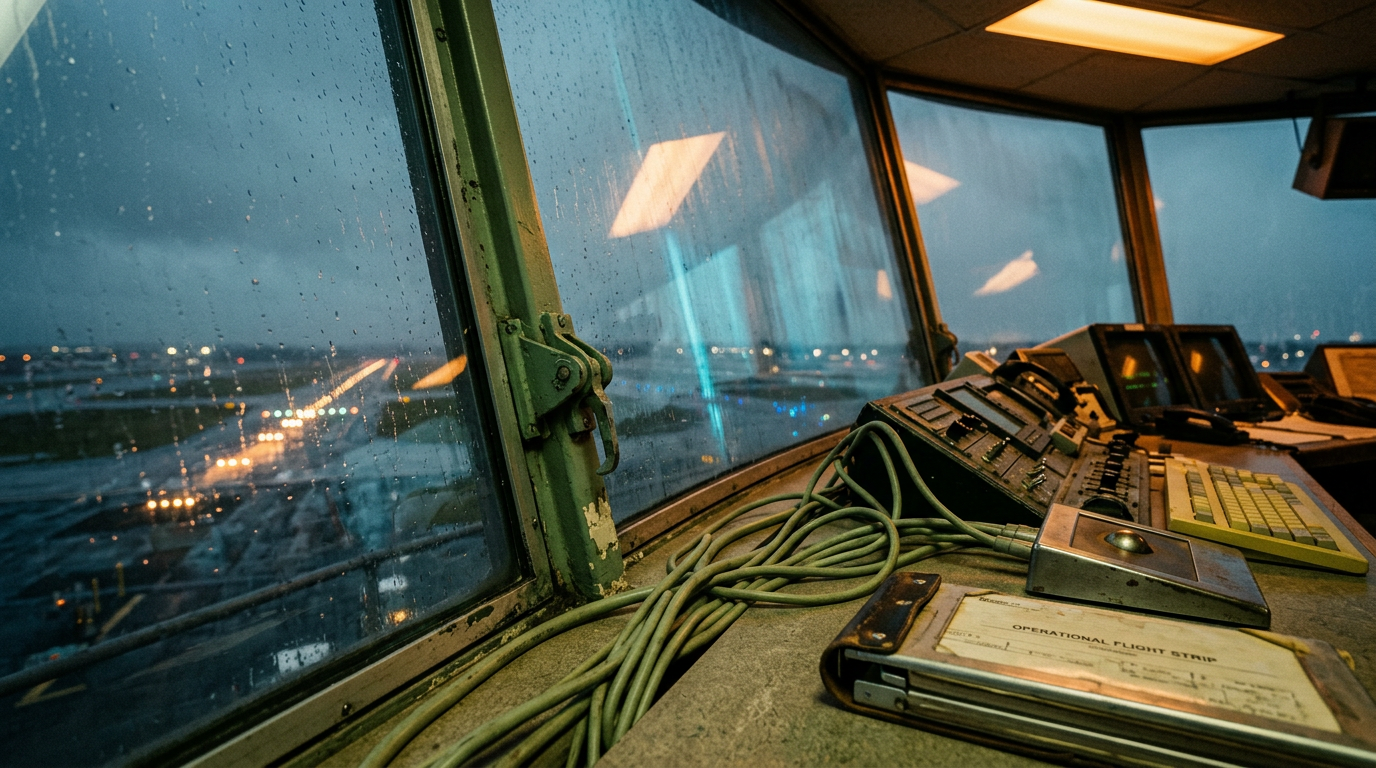
Federal aviation authorities are investigating a serious runway incursion that occurred at Newark Liberty International Airport in New Jersey. The incident involved an Alaska Airlines Boeing 737 and a FedEx Boeing 777, raising concerns about air traffic control procedures and airport safety protocols. This event highlights ongoing challenges in managing complex airspaces at major international hubs.
Incident Details at Newark
The National Transportation Safety Board (NTSB) initiated an investigation on Thursday into the Tuesday incident. An Alaska Airlines Boeing 737 was reportedly on approach to land when it overflew a FedEx Boeing 777 that was also attempting to land on a crossing runway. Both aircraft were commercial flights operating at one of the busiest airports in the New York City metropolitan area.
Investigative Scope and Authority
The NTSB, the primary agency responsible for civil aviation accident investigation in the United States, is leading the inquiry. Their investigation will focus on identifying the sequence of events, evaluating air traffic control communications, and assessing the operational procedures in place at Newark Airport. The Federal Aviation Administration (FAA) is also involved, providing technical assistance and reviewing air traffic control directives.
Context of Air Traffic Safety
Runway incursions, defined as any occurrence at an aerodrome involving the incorrect presence of an aircraft, vehicle, or person on the protected area of a surface designated for the landing and take-off of aircraft, are a significant safety concern. Major airports, with their complex layouts and high traffic volumes, are particularly susceptible to such incidents. S. airports in recent years, prompting increased scrutiny from regulators and the public.
Previous Safety Concerns
Newark Liberty International Airport, like other major hubs, operates with intersecting runways, which can increase the complexity of air traffic management during peak periods. The NTSB has previously issued recommendations regarding runway safety, emphasizing the need for enhanced technology, improved communication protocols, and continuous training for air traffic controllers.
This incident will likely reignite discussions about the effectiveness of current safety measures and potential upgrades.
Potential Implications for Air Travel
The outcome of the NTSB investigation could lead to new safety recommendations for Newark Airport and potentially other U.S. airports with similar runway configurations. These might include changes to air traffic control procedures, technological enhancements for runway monitoring, or revised pilot protocols. Such measures aim to prevent future occurrences and maintain public confidence in air travel safety, especially at high-volume facilities.
Outlook on Aviation Safety
Federal authorities are committed to a thorough review to determine the root causes of the near-miss. The findings will be crucial for informing policy decisions and operational adjustments designed to mitigate risks associated with runway operations. The aviation industry continuously adapts its safety standards based on lessons learned from such incidents, reinforcing the layered approach to ensuring passenger and crew safety.
Implications
Country Impact: The incident could prompt a nationwide review of air traffic control procedures and runway safety protocols at major U.S. airports, potentially leading to new regulations or technology mandates from the FAA and NTSB.
Industry Impact: Aviation industry stakeholders, including airlines and airport operators, may face increased pressure to invest in advanced safety systems and enhance training for pilots and air traffic controllers to prevent similar occurrences.
Market Impact: While direct market impact is likely minimal, heightened safety concerns could temporarily affect airline stock performance or lead to increased insurance premiums for carriers operating at high-risk airports if systemic issues are identified.