Chinese-Owned Tanker Defies US Sanctions in Key Strait
Sanctioned tanker Rich Starry crossed the Strait of Hormuz on Tuesday, highlighting limits of U.S. efforts to curb Iran-linked oil flows.
Cuneyd Erdogan ·
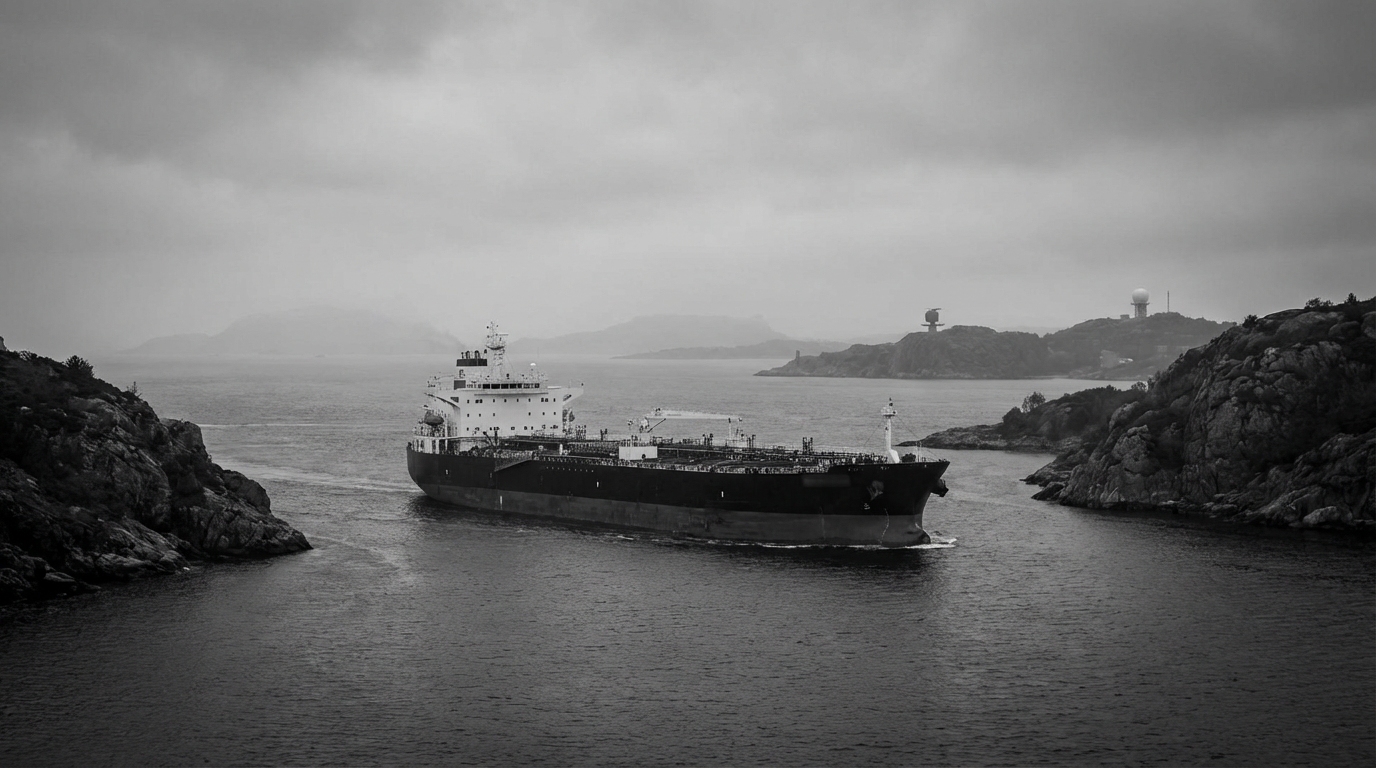
Shipping data from LSEG showed the vessel, Rich Starry, moved through the chokepoint on Tuesday. The passage took place as the United States maintains an increased naval posture in the area aimed at deterring illicit smuggling and safeguarding commercial traffic.
Officials in Washington have sanctioned hundreds of vessels for what the U.S. describes as involvement in moving Iranian crude in breach of American restrictions. Rich Starry is among those targeted. The transit highlights how sanctions enforcement can be constrained when major economies continue to buy Iranian oil, with the source material describing China as a continuing purchaser.
The ship is widely described as part of a “dark fleet” used to transport oil from countries facing sanctions. According to the source material, vessels in this network may use concealment methods such as disabling tracking transponders or conducting ship-to-ship transfers at sea to make it harder to identify where cargo originated and where it is headed. The same shadow network is described as having grown to serve not only Iran but also Russia and Venezuela.
The Strait of Hormuz, a narrow passage between Iran and Oman, is described as the world’s most important oil transit chokepoint. About one-fifth of global petroleum consumption is said to pass through it each day, making the waterway’s security central to energy-market stability. Any sustained disruption or heightened risk perception in this corridor can quickly become a global concern because it sits at the intersection of physical supply routes, insurance costs, and naval deterrence.
The Rich Starry’s passage also comes amid elevated regional tensions. S. has characterized those actions as retaliation for its own enforcement measures against Iranian oil smuggling. In response, the Pentagon has increased its military footprint in the Gulf, deploying thousands of Marines along with advanced fighter jets and warships, with the stated objective of deterring Iranian aggression and protecting freedom of navigation for commercial vessels.
What remains uncertain from the available information is whether the Rich Starry employed any concealment tactics during this specific transit, and what cargo it carried at the time. Still, the episode illustrates that even with a reinforced U.S. presence, the incentives to move sanctioned oil can persist, and the continued operation of a shadow fleet can keep enforcement and escalation risks elevated in a waterway that matters to consumers and governments worldwide.