China's EV Exports Soar, Reshaping Global Market
China's EV exports are surging, creating a dilemma for democracies balancing economic benefits against cybersecurity and industrial risks.
Atlas Newsdesk ·
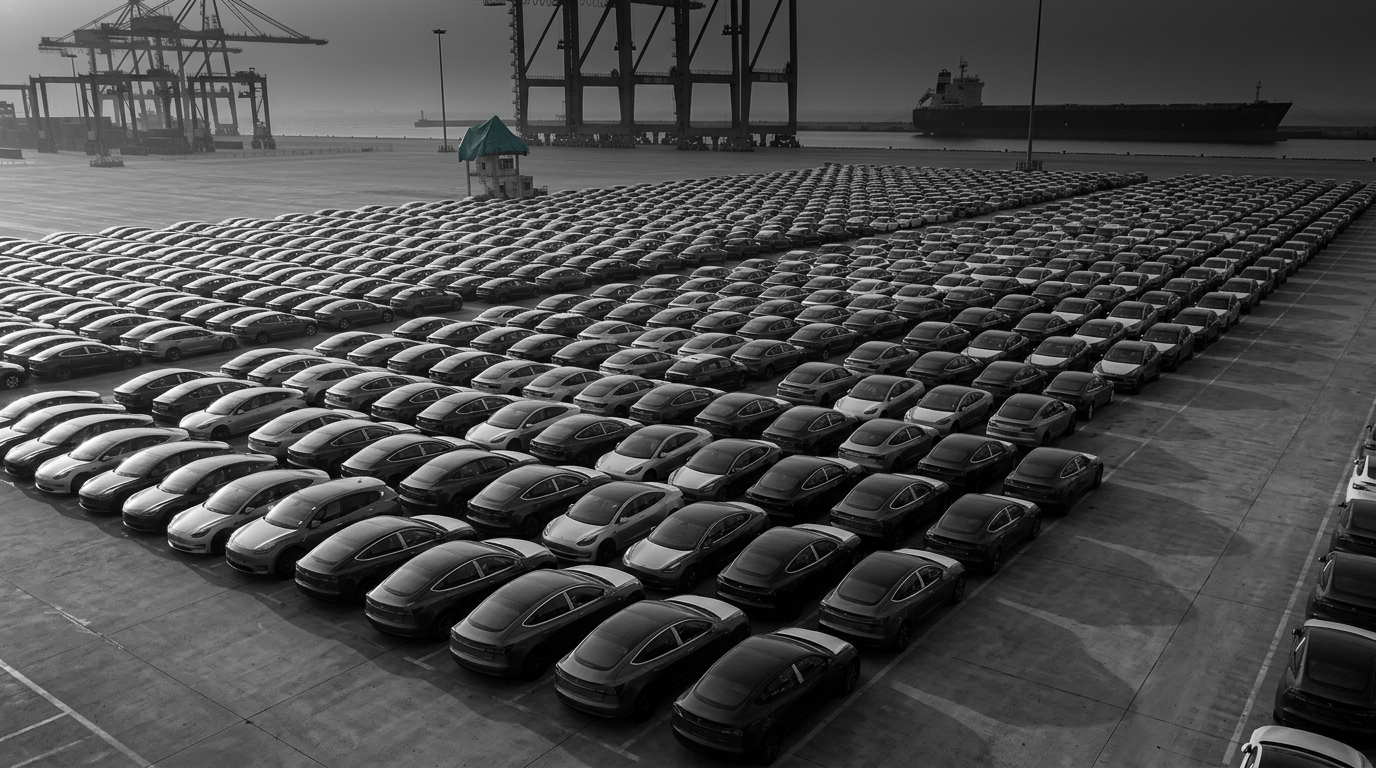
China's electric vehicle (EV) exports, encompassing battery electric vehicles (BEVs), plug-in hybrids (PHEVs), and hybrid electric vehicles (HEVs), reached record highs in 2025, with continued growth observed through March 2026. This surge is driven by substantial Chinese investment in overseas manufacturing and battery production, totaling approximately $16 billion in 2024 for zero-emission vehicles.
For instance, a recent agreement facilitates the entry of 49,000 Chinese EVs into the Canadian market at a 6.1 percent tariff rate.
The increasing reliance on Chinese EVs presents a complex dilemma for importing nations. While these imports offer short-term economic and energy benefits, particularly in the context of potential oil disruptions, they also introduce long-term cybersecurity and industrial risks.
Connected vehicles from China may possess vulnerabilities exploitable by foreign intelligence services, as demonstrated by instances like the discovery of a remote disabling backdoor in Yutong buses in Norway and Denmark.
To mitigate these risks, democracies are considering various measures. These include avoiding Chinese connected vehicles in government fleets and around sensitive infrastructure, and revitalizing domestic automotive manufacturing capabilities. The strategic challenge involves balancing immediate energy needs and economic advantages against potential cyber threats and the impact on local industries, especially if persistent high oil prices accelerate global dependence on Chinese EV technology.