Chinese AI models renew fight over U.S. open-source access
Chinese AI models face renewed U.S. scrutiny as officials revisit security tools that could steer companies toward domestic AI platforms.
Lauren Collins ·
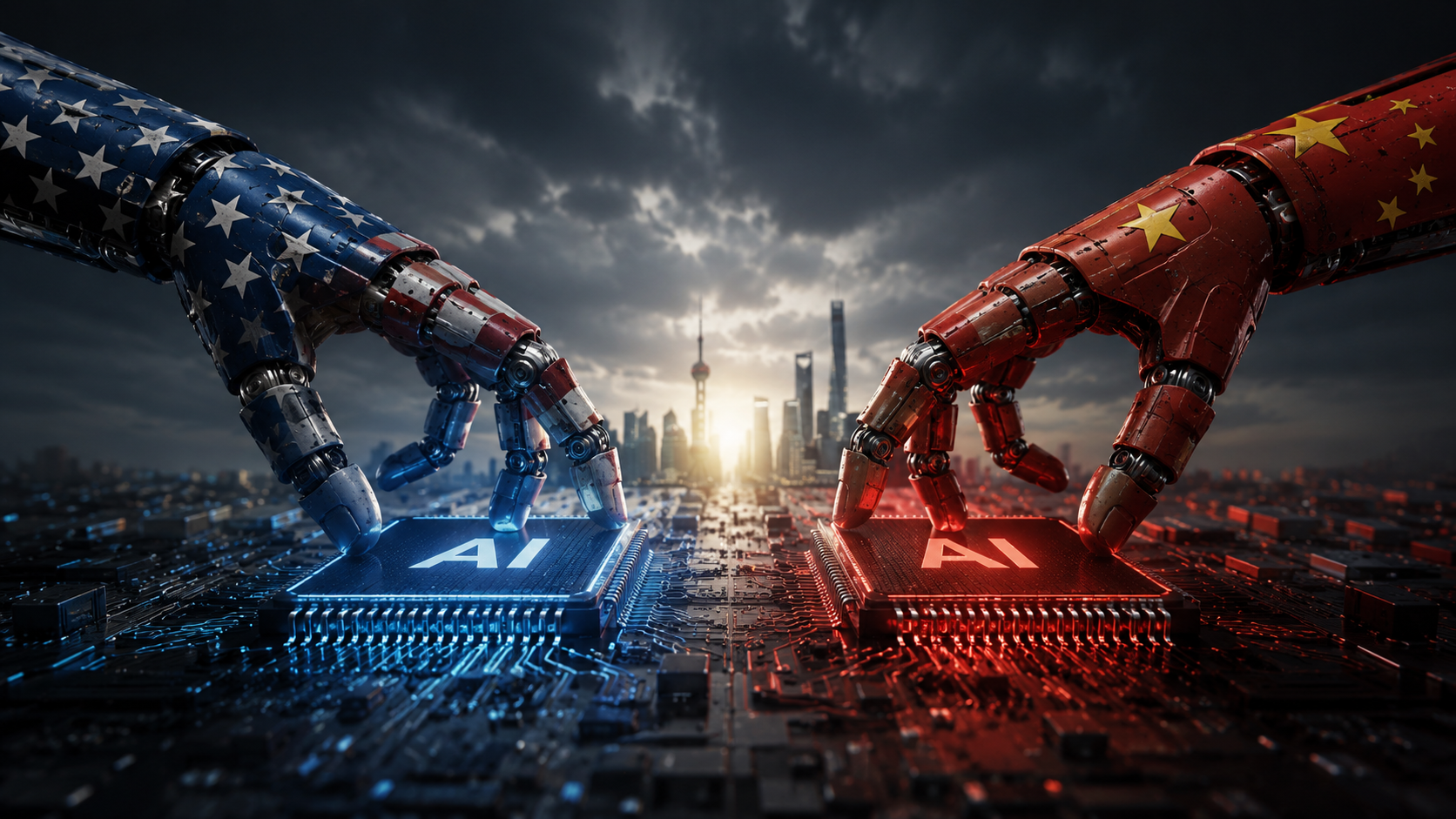
Chinese AI models are drawing renewed scrutiny in Washington as officials weigh tools that could push U.S. companies away from them.
The renewed discussion follows the rise of Kimi, a Chinese model described by people familiar with government talks as powerful enough to revive earlier national security efforts. The debate matters because many U.S. businesses have been testing or using Chinese open-source models that are cheaper and, in some cases, viewed as close to domestic alternatives.
Kimi revives security debate
People familiar with the discussions said parts of the administration previously explored ways to discourage or restrict access to foreign open-source AI systems. Those efforts did not become policy after officials concerned about overregulation pushed back against measures they believed could slow innovation.
The balance inside the administration appears to have shifted, according to the same people. Former White House adviser Sriram Krishnan has left, while officials focused on national security risks have become more influential in the debate over Chinese AI access.
The White House and Commerce Department did not respond to requests for comment, according to the source material. That leaves the current direction unclear and makes the accounts dependent on people described as familiar with internal deliberations.
Entity List pressure returns
The Commerce Department last year considered adding several Chinese AI labs to the Entity List, one person close to the administration said. Such a step would not necessarily ban use outright, but it could make U.S. access dependent on government licenses.
Other options were also discussed. The National Security Agency and the White House Office of the National Cyber Director considered an advisory on risks tied to Chinese AI labs, which could have warned companies away from the technology without a formal prohibition.
The White House also considered an executive order under which U.S. companies could host Chinese models only if they guaranteed security and accepted liability after a breach, one person said. Separately, Commerce circulated draft rules last summer using supply-chain security authorities to target Chinese open-source models, according to another person close to the administration.
Those ideas show how a restriction could work without a single sweeping ban. Procurement rules, public pressure, license threats and security advisories can change corporate behavior because large companies often avoid tools that carry regulatory or reputational risk.
Open-source costs test policy
The commercial tension is straightforward: cheaper Chinese open-source tools can lower costs for companies building AI products, but security officials worry that the same tools may carry hidden vulnerabilities or governance risks. People familiar with the talks cited concerns about backdoors, inadequate security controls and uncertainty over who can inspect or influence a model’s behavior.
A tougher U.S. approach could strengthen the market position of domestic model providers, including OpenAI and Anthropic, by narrowing the set of platforms considered safe for enterprise use. It could also put pressure on U.S. open-source developers to offer competitive alternatives that satisfy both cost-sensitive customers and government security expectations.
For corporate buyers, the risk is not only technical. If a company builds products on a Chinese model and Washington later restricts access, the company may face migration costs, compliance reviews and delays in product deployment.
If Entity List threats or procurement restrictions expand, global AI adoption could become more regional, with firms aligning model choices around national-security rules rather than only price and performance. For OpenAI and Anthropic, that path could increase demand from regulated U.S. customers; for the wider AI sector, it could reduce cross-border model reuse and raise the cost of compliance.
If officials instead stop short of hard restrictions and focus on warnings, companies may keep evaluating Chinese models while adding internal controls and legal reviews. That would preserve more competition for U.S. AI providers, but it would leave unresolved questions about model auditing, data exposure and liability after a security incident.
The central open question is whether Washington chooses formal restrictions or a slower pressure campaign. The answer will shape how quickly U.S. companies can use foreign open-source AI, how much pricing power domestic leaders retain and whether global AI markets keep converging or split into more guarded national ecosystems.