China exports slow as Iran war hits energy costs
China exports are forecast to rise 8.6% in March 2026, slowing sharply as the Iran war lifts energy and transport costs.
Atlas Newsdesk ·
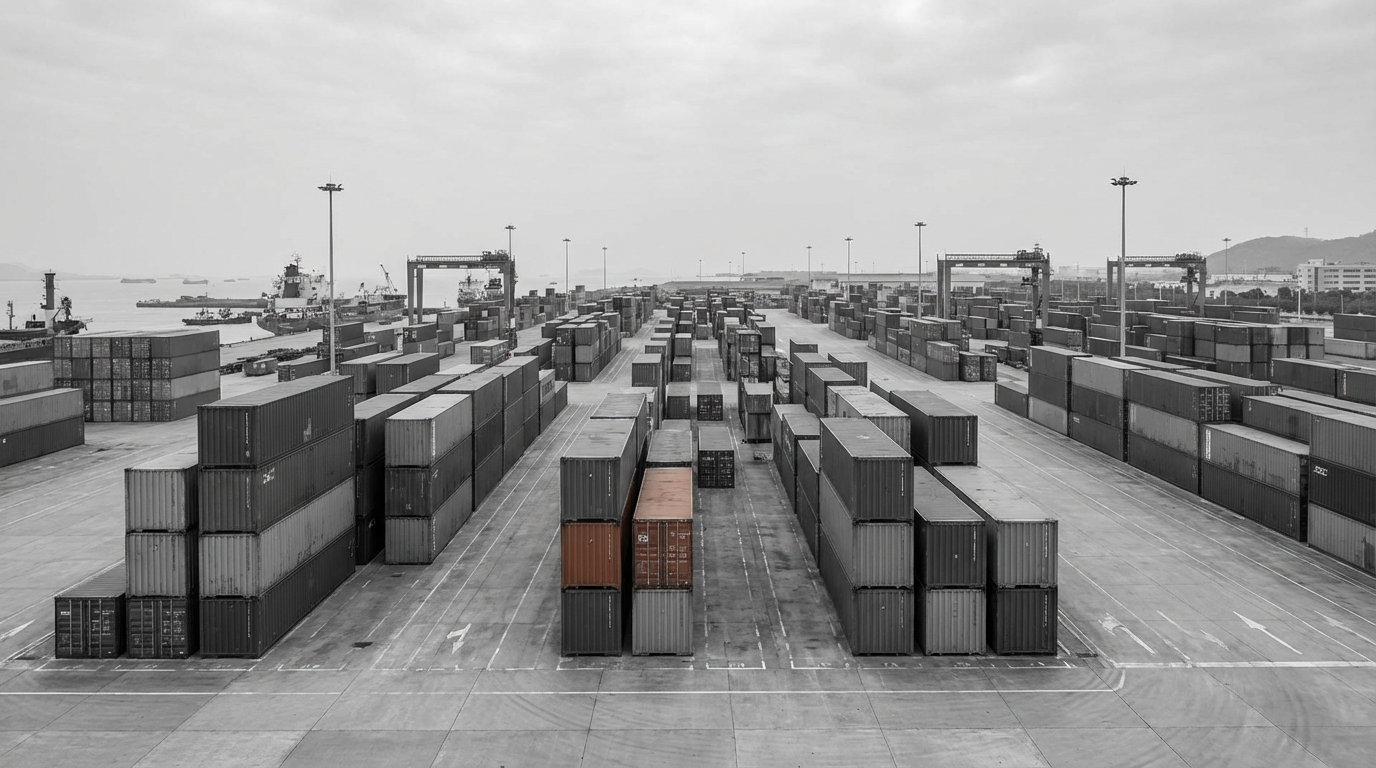
China’s export growth is expected to cool sharply in March 2026 , according to a poll of economists, as the Iran war disrupts energy markets and raises global transport costs. The poll projects exports rising 8.6% year-on-year in dollar terms, a marked slowdown from the 21.8% growth recorded across January and February.
The shift comes as the Middle East conflict feeds into higher fuel prices and freight expenses after Iran closed the Strait of Hormuz, officials and economists cited in the poll said. The resulting energy shock has lifted costs for buyers and logistics providers worldwide, which economists expect to weigh on purchasing power and reduce demand for Chinese goods.
The same cost pressures are also expected to raise input expenses for Chinese manufacturers, adding another channel through which trade momentum could soften.
Forecasts in the poll show a wide spread, underscoring uncertainty about how quickly the war’s effects move through the global economy. Mizuho Securities expects export growth of 24%, while Macquarie Group forecasts 17%. Citigroup, by contrast, projects only a 3% increase, reflecting a more cautious view of how the conflict will transmit into trade volumes and pricing.
Imports are also projected to lose speed . Economists in the poll estimate China’s imports rose 11.2% in March from a year earlier, down from 19.8% in the combined January–February period. The expected cooling in imports comes alongside higher commodity prices, which can lift the value of inbound shipments while also increasing costs for firms that rely on imported raw materials and components.
Regional trade indicators point to continued strength in parts of the technology supply chain even as broader conditions tighten. South Korea’s exports to China rose 62.4% in March, driven largely by a 151.4% jump in semiconductor shipments linked to artificial intelligence demand. That follows an earlier surge in tech-related exports from China that economists have tied to AI-driven orders, even as the energy shock threatens to dampen demand in other categories.
China’s trade surplus is expected to narrow to $108 billion in March, from $214 billion in the preceding two months, the poll shows. Economists attribute the expected narrowing in part to rising commodity prices that increase input costs for Chinese manufacturers, which can affect margins and pricing decisions across export industries.