Iran conflict hits Dubai luxury sales in March
Iran conflict-driven instability cut Dubai and Abu Dhabi luxury sales in March 2026, ahead of LVMH, Kering and Hermes earnings this week.
Atlas Newsdesk ·
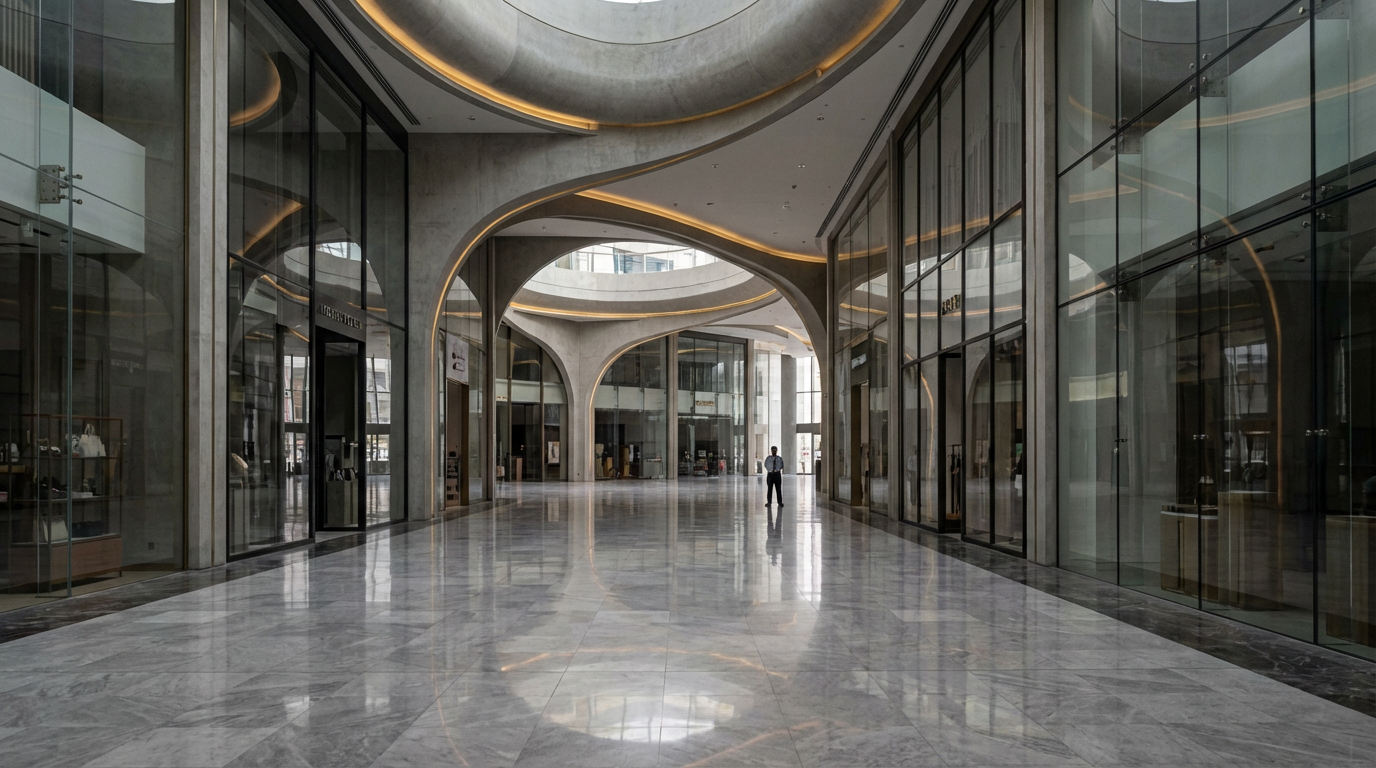
Sales at major European luxury brands in Dubai and Abu Dhabi fell sharply in March 2026 after the Iran conflict escalated, according to an informed source. The pullback hit a market that had been delivering double-digit annual revenue growth in the Middle East, a region that accounts for about 5% of global luxury consumption. The slowdown comes just ahead of quarterly earnings updates due this week from industry leaders including LVMH, Kering, and Hermes.
At Dubai’s Mall of the Emirates, luxury labels recorded year-on-year sales declines of 30% to 50% in March, the source said. The same person said foot traffic at the Mall of the Emirates dropped 15% over the period. At the larger Dubai Mall, which is heavily visited by tourists, traffic fell by about 50%, according to the source.
In Abu Dhabi, the impact appeared more contained but still negative. Sales at the Galleria mall were down around 10% in March, the source said. Together, the figures point to a broad cooling in high-end retail activity across key shopping destinations in the United Arab Emirates during a month that typically benefits from international travel and discretionary spending.
Officials said the conflict began with U.S. and Israeli strikes on Iran on February 28. The escalation later included Iranian drone attacks on Dubai’s infrastructure, according to the source material. The resulting security concerns and uncertainty have challenged the region’s long-standing positioning as a stable, high-glamour hub for tourism and luxury shopping.
For global luxury groups, the immediate effect on quarterly revenue may be limited because the Middle East represents a relatively small share of worldwide demand. However, the source material noted that the impact on profits could be more meaningful, as profitability is typically reported on a semi-annual basis. Investors will be watching how companies describe trading conditions and whether they flag any operational disruptions or changes in tourist flows.
Beyond the Gulf, the source material also pointed to potential spillovers that could weigh on consumer appetite more broadly. It cited ripple effects such as higher oil costs and inflation, which can influence discretionary spending in multiple regions. The scale and duration of these effects remain uncertain, and the near-term focus is likely to stay on whether footfall and sales stabilize as the security situation evolves.