China’s AI Strategy Prioritizes Economic Integration Over Frontier Benchmarks
China is aggressively integrating AI into its industrial base to drive productivity, creating a decentralized deployment model that lacks centralized safety…
Atlas Newsdesk ·
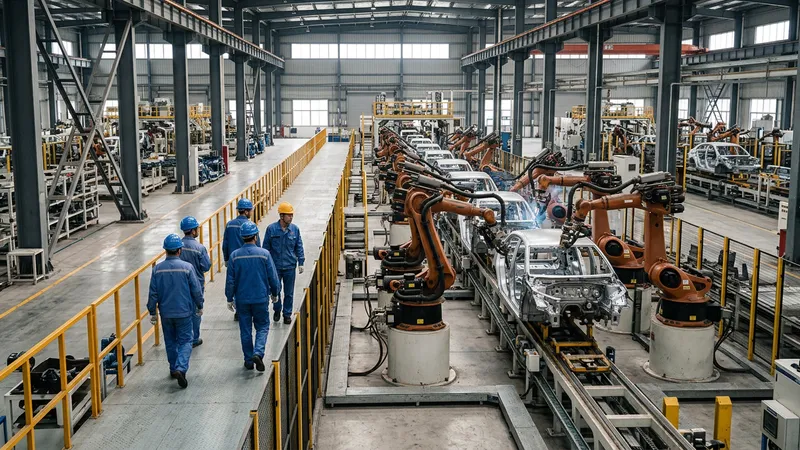
China is shifting its artificial intelligence strategy from a focus on frontier model development to rapid, large-scale economic integration. The state-led "AI Plus" initiative aims for a 70 percent penetration rate of AI agents and smart devices across the domestic economy by 2027, rising to 90 percent by 2030.
This approach prioritizes the widespread deployment of specialized, industrial-grade models over the pursuit of top-tier cognitive benchmarks. By designating data as a primary factor of production, the state is leveraging industrial and logistics data to enhance manufacturing productivity and offset demographic challenges.
Unlike Western strategies that emphasize safety guardrails at Institutional risk arises from the lack of centralized control mechanisms within this decentralized diffusion model. Unlike Western strategies that emphasize safety guardrails at the frontier, this framework embeds AI into critical infrastructure and manufacturing sectors at a pace that complicates regulatory oversight.
Beijing’s focus on embodied AI and industrial agents suggests a long-term objective to standardize Chinese technology globally. Policymakers should note that the success of this strategy is measured by economic penetration rather than technological parity with Western frontier models.