China Forbids Home Ash Storage in Funeral Overhaul
China bans keeping ashes in homes as new funeral rules take effect Tuesday, ahead of Sunday’s Qingming festival, targeting “bone ash apartments.”
Cuneyd Erdogan ·
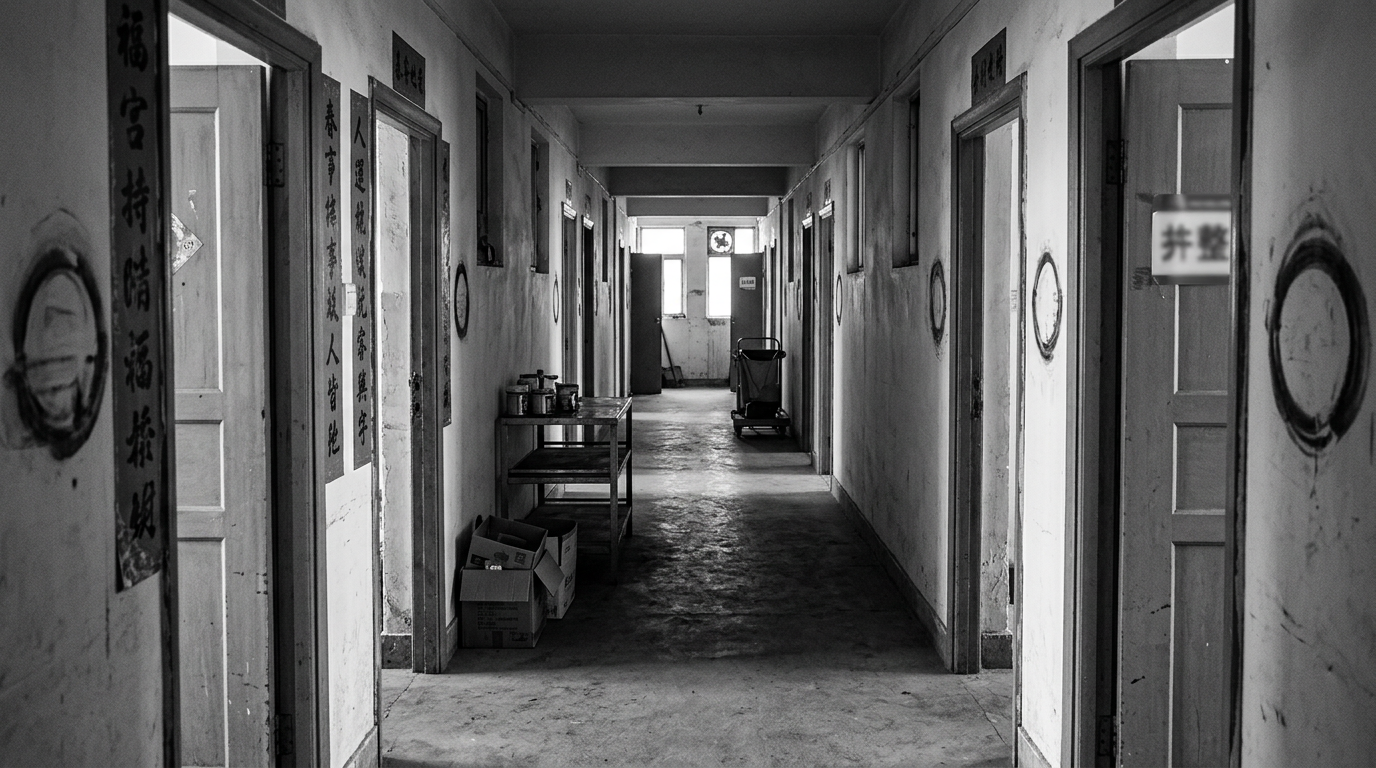
China will begin enforcing updated funeral management legislation on Tuesday, introducing a nationwide prohibition on using residential properties specifically to store cremated remains. The measures directly target a practice in which families place urns and memorial items inside unoccupied flats, often referred to as “guhui fang,” or “bone ash apartments.” Officials are seeking to prevent homes from becoming informal ash-storage sites as pressure on burial space grows.
The legislation states that “residential housing specifically for the purpose of storing cremated remains” is not allowed. It also bars the burial of corpses and the construction of tombs outside public cemeteries. The rollout is timed just ahead of Sunday’s Qingming grave-sweeping festival, a major period when families traditionally visit burial sites and pay respects to ancestors.
The rise of “bone ash apartments” has been linked to the cost and limited availability of standard cemetery plots. In some cases, families have arranged candles and urns inside flats as an alternative to purchasing cemetery space. The strain has also been associated with how burial arrangements are structured, with cemetery plots often offered on 20-year leases, while residential properties can carry 70-year usage rights.
Demographic change has added to demand for funeral services and intensified competition for land. China recorded 11.3 million deaths in 2025, compared with 9.8 million deaths in 2015. The 2025 total also exceeded the 7.9 million births recorded in the same year, underscoring the scale of end-of-life service needs alongside broader population shifts.
Rapid urbanization and an aging population have increased pressure on traditional burial options, contributing to the use of apartments as a workaround in some areas. In response, some local governments have promoted alternatives that use less land. Major cities including Shanghai have introduced subsidies for ecological burial methods such as deep-ground burials or sea burials.
In Shanghai, sea burials exceeded 10,000 cases in 2025, illustrating the scale of official efforts to steer families toward options intended to ease constraints on cemetery capacity. The nationwide tightening of rules is designed to channel funeral-related practices into regulated settings, particularly public cemeteries, while limiting the use of housing for purposes tied to ash storage.
What happens next will depend on how consistently the prohibitions are applied across localities and how households adapt, especially during peak periods of ancestral observance such as Qingming. Officials face an ongoing policy challenge in aligning cultural practices with land limits and rising demand for funeral services in a rapidly changing society.