China Poll Sees Home Prices Stabilising After Slower Falls
China's home prices are expected to decline slower in 2026 and rise in 2027, signaling potential market stabilization amid policy support.
Atlas Newsdesk ·
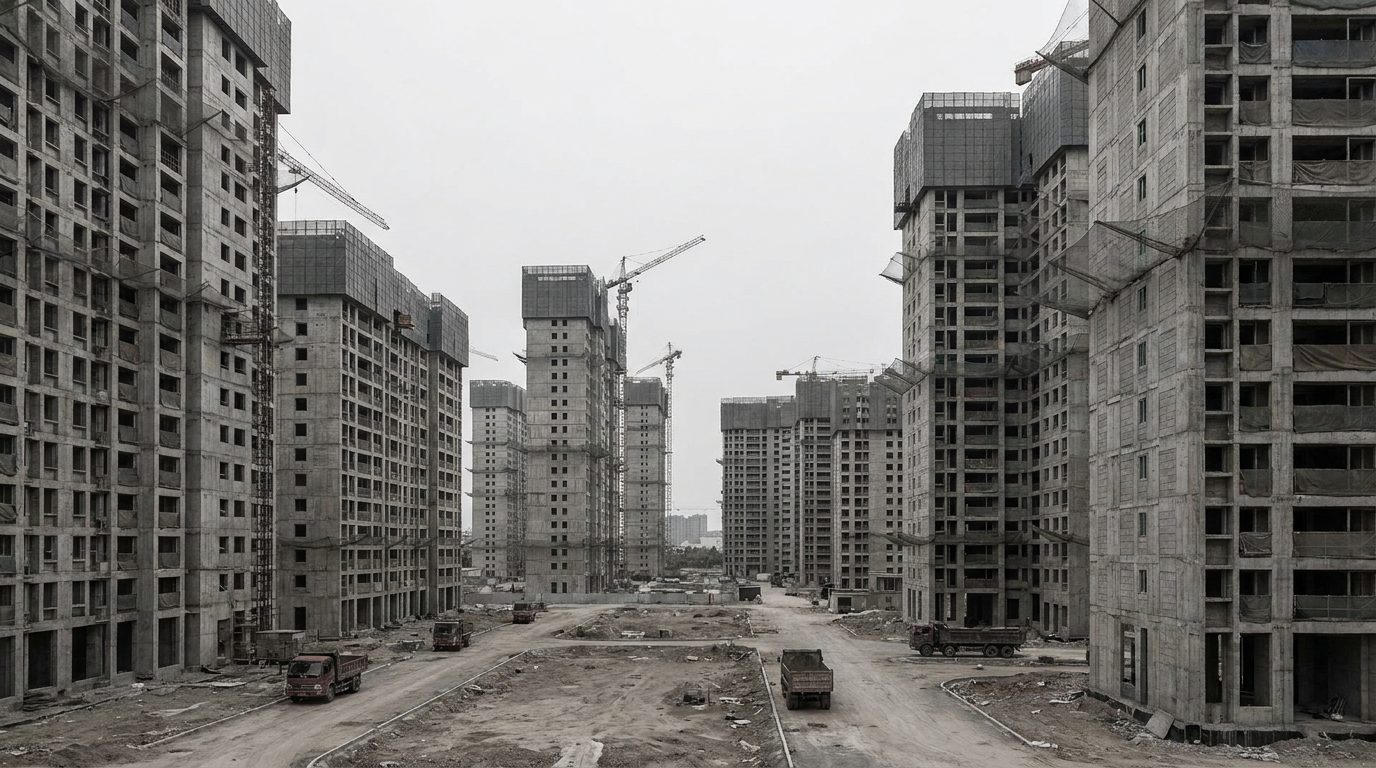
A poll conducted May 18-28 found China’s home prices are expected to decline by 3.5% in 2026, a slower fall than the 4.0% drop forecast in a March survey. Analysts in the poll also projected a modest increase of 0.3% in 2027, compared with a previous expectation of no change, and a 1.8% rise in 2028, up from a 0.5% gain.
The revised outlook suggests China’s property market remains under pressure but may be moving toward a slower adjustment phase as policy support continues. Officials have pushed to rein in new projects and reduce housing inventory, and local governments have rolled out measures to support demand.
The poll results point to earlier stabilisation in core areas of higher-tier cities, where demand tends to be more resilient. Analysts cautioned that suburban districts and lower-tier cities could remain under greater pressure, especially where population outflows and weaker local economies persist.
Policy support expands in major cities
Several cities have introduced incentives including subsidies and eased home-purchase restrictions, according to the survey summary. The measures follow the central government’s renewed focus on managing housing inventory and limiting new supply.
Shenzhen eased home-purchase restrictions in its core districts in late April, while Guangzhou introduced home-buying subsidies. Analysts said these steps could help speed stabilisation in stronger markets, even if the broader national recovery remains uneven.
Investment and sales forecasts still point to contraction
Despite the slower pace of price declines, the poll showed a weaker outlook for activity. Property investment is forecast to fall 12.0% this year, a deeper contraction than the 10.3% decline predicted in March.
Sales are expected to slump by 8.3%, compared with a 6.5% decline in the earlier forecast. Analysts linked the continued weakness to subdued household confidence around jobs, incomes, and future home prices, which has weighed on demand.
Analysts said the main policy objective remains market stability and avoiding a disorderly slowdown, rather than attempting to revive the sector through aggressive stimulus.
Markets will watch for further local easing measures and any additional steps aimed at reducing inventory and supporting demand in major cities.