Global Markets Rise on US-Iran Ceasefire Extension Reports
Global markets edged higher as US stocks reached new highs amid reports of a potential US-Iran ceasefire extension.
Atlas Newsdesk ·
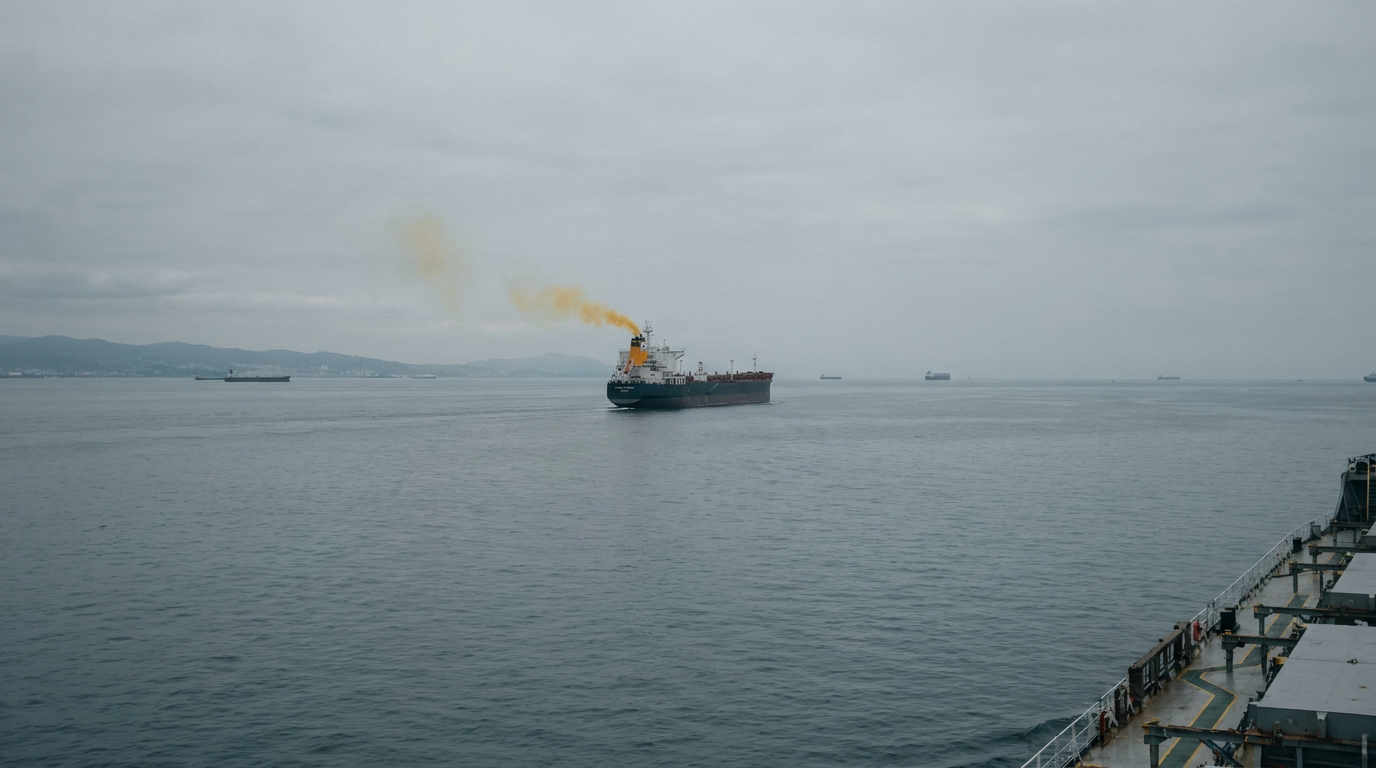
Global Markets Anticipate Ceasefire Extension
Asian equities futures signaled a positive opening on Friday, following gains in U.S. stocks and Treasury markets. Investor sentiment was buoyed by reports indicating Washington and Tehran are approaching an accord to prolong a ceasefire. This potential diplomatic development is shaping market expectations across major financial centers.
Nikkei futures in Japan, along with Australian and Hong Kong equity contracts, all indicated upward movement in early trading. The optimistic outlook was reinforced by the performance of U.S. markets, where the S&P 500 achieved a new record high, marking its sixth consecutive day of gains. The Nasdaq 100 also posted a significant increase, reflecting a broader market enthusiasm.
Deals and Departures Shape Oil and Treasury Outlook
Reports from Friday suggested a tentative agreement between the United States and Iran to extend a ceasefire by an additional two months. This development is also expected to pave the way for renewed discussions concerning Iran's nuclear program. The prospect of de-escalation has spurred demand for assets typically considered safe havens.
Conversely, the potential for reduced geopolitical tension has placed downward pressure on oil prices. Brent crude futures settled below the $94 per barrel mark. Simultaneously, Treasury yields experienced a broad decline, and the U.S. dollar weakened against several major developed-market currencies, indicating a shift in currency dynamics.
Navigating Geopolitical Risks for Energy Flow
The prevailing optimism surrounding a potential ceasefire extension appears to be overshadowing immediate concerns over ongoing clashes in the Persian Gulf. Investors are factoring in the possibility that a sustained truce could alleviate disruptions impacting global energy supplies. The Strait of Hormuz, a critical chokepoint for oil shipments, has been affected since the conflict began.
The closure or disruption of maritime traffic through the Strait of Hormuz has previously constrained oil exports and contributed to inflationary pressures. Market participants are now closely monitoring any indications that this vital transit route might reopen, which would have significant implications for global energy markets. The successful resumption of normal shipping operations could further stabilize energy prices and boost economic confidence.