Canadian Liberal Party Gains MP, Nears Majority
Canadian Liberal Party gains MP Lori Idlout, bringing Prime Minister Carney closer to a majority government ahead of key by-elections.
Lauren Collins ·
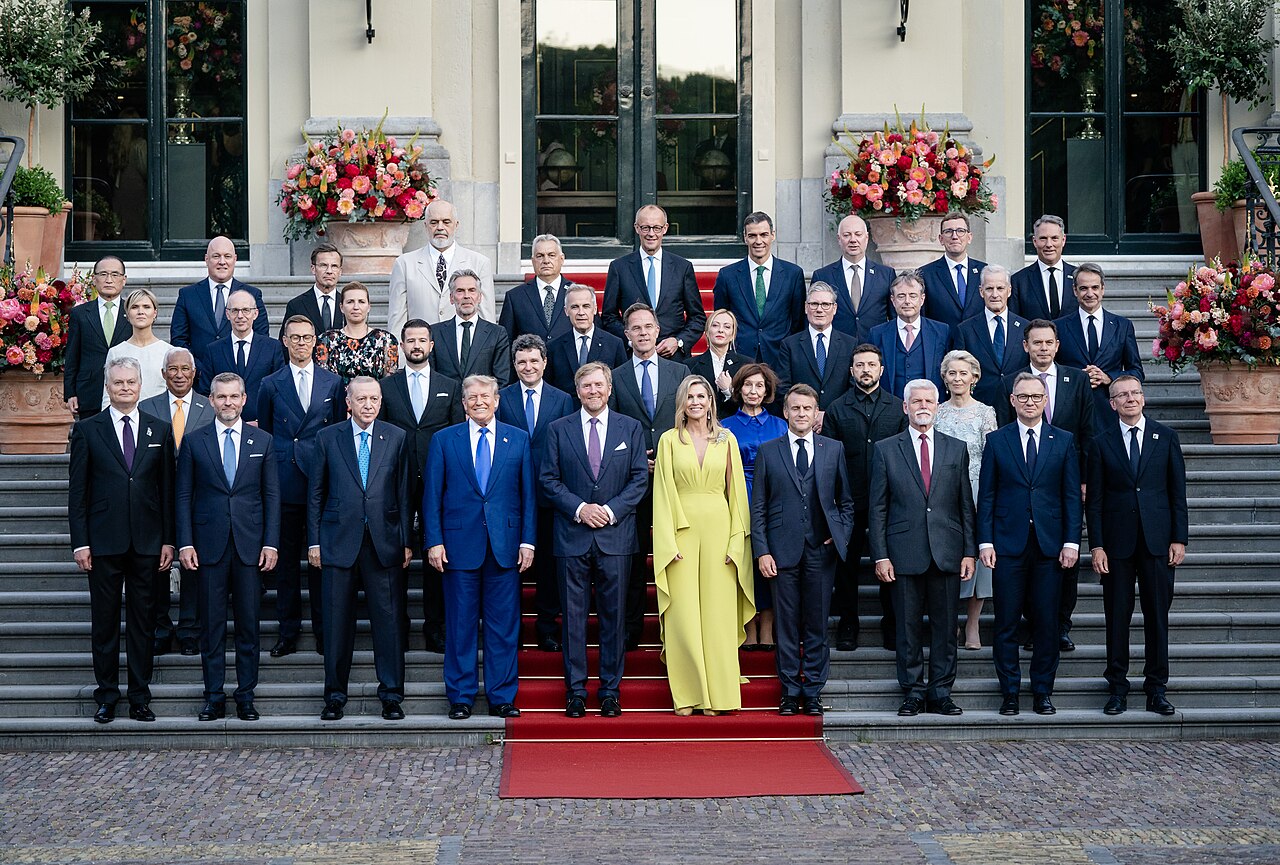
The Canadian Liberal Party has increased its parliamentary representation following the defection of Lori Idlout, a Member of Parliament previously affiliated with the New Democratic Party (NDP). This move, announced on Tuesday, March 12, 2024, brings Prime Minister Mark Carney's government closer to achieving a majority in the House of Commons.
Idlout's decision marks the fourth such defection to the Liberal Party in recent months, with three former Conservative MPs having made similar transitions. Her addition to the Liberal caucus enhances the party's seat count, potentially paving the way for a majority government if combined with favorable outcomes in upcoming by-elections.
Political Realignment in Ottawa
Lori Idlout, who secured her seat in 2021 representing Nunavut, articulated her motivations for joining the Liberals. She cited concerns regarding Canada's national sovereignty, the imperative of addressing climate change, and the ongoing issue of affordability for citizens. Idlout expressed a conviction that a "strong and ambitious government" is essential to tackle these challenges effectively.
Prime Minister Carney's administration welcomed Idlout, emphasizing her established record of advocacy for the Nunavut region. This defection underscores a broader trend of political realignment within the Canadian Parliament, as MPs from opposition parties opt to join the governing Liberals.
Implications for Government Stability
The Liberal Party's current parliamentary standing, bolstered by Idlout's defection, positions them to potentially secure a majority. This prospect hinges significantly on the results of three by-elections scheduled for April 13. Should the Liberals win all three contests, their seat total would reach 173.
Achieving a majority government would provide Prime Minister Carney with enhanced legislative control and could avert the necessity of a general election for an additional three years. This scenario would offer a period of increased governmental stability, allowing the administration to pursue its policy agenda with greater ease.
Upcoming Electoral Contests
The three critical by-elections include two constituencies located in Toronto, traditionally considered Liberal strongholds. The third by-election will take place in Montreal, a seat that is anticipated to be more closely contested. The outcomes of these electoral events will be pivotal in determining the future composition of the House of Commons and the Liberal Party's ability to govern with a majority.
Interim NDP leader Don Davies voiced disappointment regarding Idlout's defection. He suggested that Members of Parliament who change party affiliations should ideally seek a fresh mandate from their constituents through re-election. This sentiment reflects the broader debate surrounding floor-crossing in parliamentary democracies and its implications for democratic accountability.
Implications
Country Impact: This political shift could lead to increased governmental stability in Canada, potentially allowing the Liberal administration to avoid a general election for three years. It may also influence the legislative agenda, particularly concerning climate change and affordability policies.
Industry Impact: Enhanced government stability could provide a more predictable policy environment, potentially benefiting sectors reliant on long-term planning and investment. Industries related to climate initiatives might see accelerated policy support.
Market Impact: A more stable government could be viewed positively by financial markets, reducing political uncertainty. This might lead to a more favorable investment climate, though specific market reactions would depend on the government's subsequent policy actions.