Canada Slaps Retaliatory Tariffs on American Imports
Canada announced dollar-for-dollar retaliatory tariffs on various U.S. goods, effective September 8, following failed trade talks and new U.S. duties.
Atlas Newsdesk ·
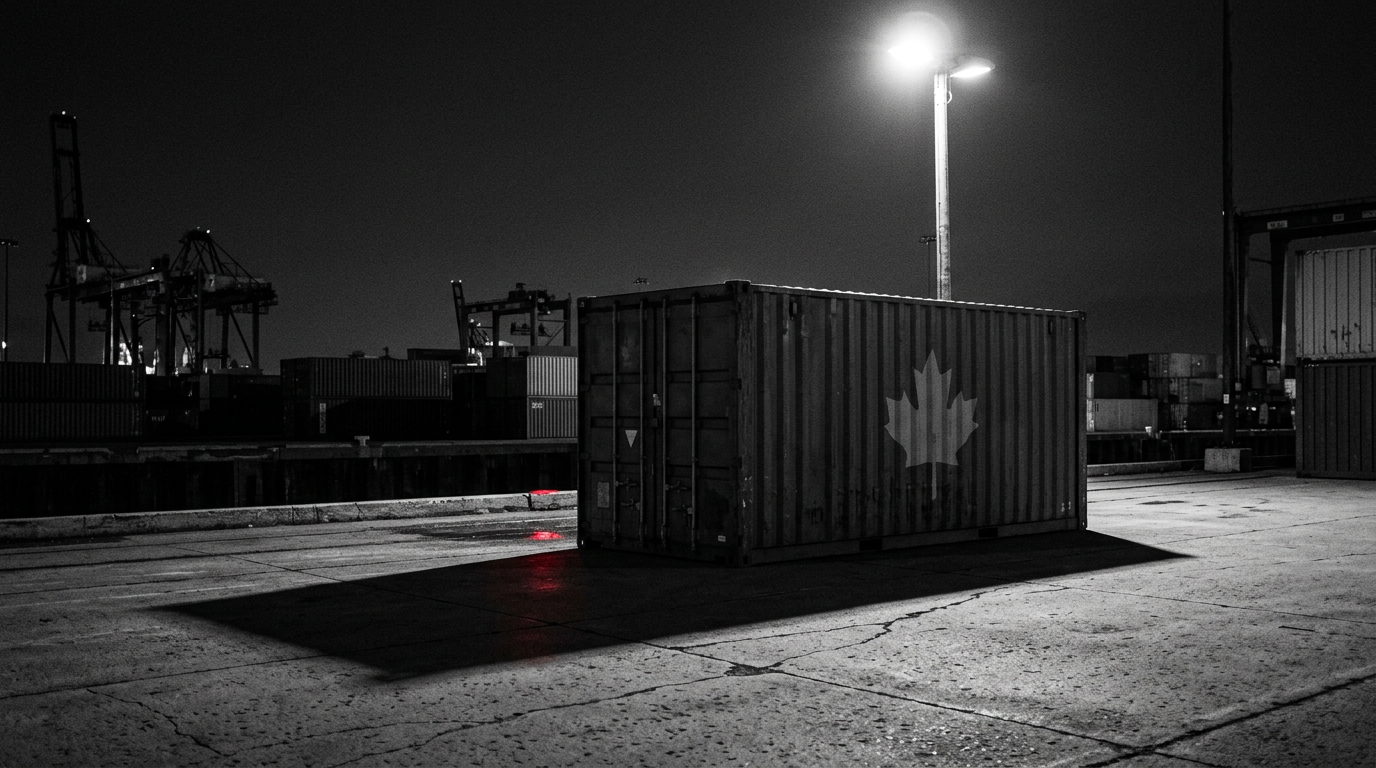
Canada will implement dollar-for-dollar retaliatory tariffs on a range of United States imports starting September 8. This decision follows the breakdown of bilateral trade negotiations on Friday and new tariffs recently imposed by the U.S., according to Canadian Prime Minister Mark Carney. The Canadian government's action targets a fresh round of 50 percent U.S. tariffs on Canadian products, including steel, dairy, appliances, and electronics.
Reports indicate that trade discussions concluded abruptly after both negotiating teams accused the other of introducing unacceptable revisions to previously agreed conditions at the final stage. While U.S. negotiators attributed the deadlock primarily to new demands from Canada, Prime Minister Carney stated that the U.S. proposals threatened Canadian sovereignty and were economically unfeasible.
Escalating Trade Tensions
This development marks a significant deterioration in trade relations between the two countries. It adds to existing U.S. duties already in place on Canadian aluminum, automobiles, and lumber. The strategy of applying reciprocal tariffs is expected to cause immediate disruptions across cross-border supply chains, impacting industries that depend on fluid trade between Canada and the United States.
Canadian government officials are currently finalizing the specific list of U.S. goods that will be targeted by the new measures. Comprehensive details of these countermeasures are anticipated to be made public in the coming days, providing clarity on the scope and impact of the retaliatory action. The ongoing trade friction underscores the persistent challenges in North American trade dynamics, affecting both producers and consumers.
Broader Economic Implications
The imposition of new U.S. tariffs and Canada's subsequent retaliatory response are occurring within a broader global trade environment increasingly characterized by protectionist trends. Such measures often lead to higher costs for businesses and consumers as supply chains adjust and the prices of imported goods rise. The automotive sector, in particular, could face considerable challenges given its deeply integrated cross-border operations.
Analysts suggest that sustained trade disputes between major economic partners can introduce uncertainty, deter investment, and potentially slow economic growth in both nations. The upcoming release of Canada's specific tariff list will be critical for businesses in both countries to assess the direct implications for their operations and to prepare for the altered trade landscape.
These developments reflect a broader pattern of increasing trade protectionism globally, impacting international commerce. The specific product categories mentioned—steel, dairy, appliances, and electronics—indicate a targeted approach from both sides, designed to exert maximum economic pressure.
The automotive industry, known for its complex cross-border manufacturing, is particularly vulnerable to these disruptions. The long-term effects could include a restructuring of supply chains, diversification of sourcing, and increased domestic production efforts as companies seek to mitigate tariff risks.