

Scientists Deploy Heat-Resistant Corals to Protect Reefs
Researchers from Palau and Australia are deploying heat-resistant coral larvae to help safeguard global reef ecosystems from rising ocean temperatures.
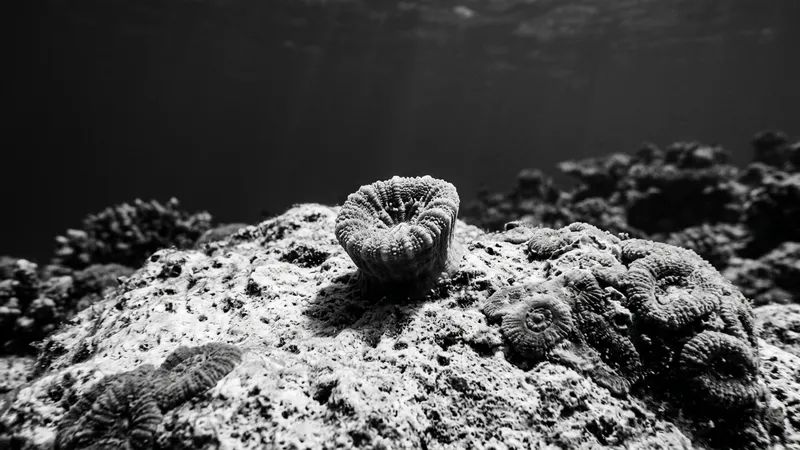
A collaborative scientific initiative involving researchers in Palau and Australia is actively working to protect coral reef ecosystems worldwide. This project concentrates on the cultivation and strategic placement of coral larvae specifically developed to withstand increasing ocean temperatures, which are a major factor in global reef degradation.
The endeavor draws inspiration from the remarkable resilience observed in Palauan reefs. These specific reefs have largely avoided the severe bleaching events that have caused extensive damage to other significant marine ecosystems, including Australia's Great Barrier Reef. Scientists are diligently working to identify the precise genetic traits responsible for this natural heat tolerance. This understanding is then leveraged to accelerate the adaptation of corals in more vulnerable reef environments.
Cultivating Resilient Marine Life
The primary method involves gathering larvae from these naturally robust coral colonies. These resilient larvae are subsequently introduced into areas where reefs have degraded, with the objective of enhancing the survival rates of the overall coral population. This approach marks a significant shift from traditional, often passive, conservation efforts toward a more proactive and direct biological intervention strategy.
Experts anticipate that the successful implementation of this 'super coral' deployment could substantially reduce the impact of rising global average temperatures on marine biodiversity. The is to establish a vital buffer against climate-induced destruction, particularly over the coming decade, for critical ecosystems such as the Great Barrier Reef.
Broader Ecological Importance
Coral reefs serve as indispensable marine habitats, supporting an estimated one-quarter of all ocean species and providing crucial ecosystem services. These services include coastal protection, acting as essential food sources for numerous communities, and generating substantial tourism revenue. Their accelerating decline, driven by ocean warming and acidification, poses a severe threat to global marine biodiversity and to the human populations that rely on them for sustenance and economic stability.
While this targeted intervention offers a ray of hope, it is regarded as one vital element within a much broader strategy to combat climate change. Scientists consistently emphasize that the fundamental reduction of global greenhouse gas emissions remains paramount for the long-term survival of coral reefs and the intricate marine ecosystems they support. This project, therefore, represents an urgent effort to gain critical time for reefs to adapt biologically, while larger, systemic climate actions are pursued and implemented on a global scale.
Future Adaptation Challenges
The research builds upon decades of marine biology and genetic studies, aiming to apply scientific advancements to critical environmental challenges. The careful selection of specific coral genotypes, combined with controlled propagation and strategic deployment, reflects a modern conservation approach. This method integrates advanced biotechnology with ecological restoration principles, highlighting the growing urgency for integrated strategies.
The success of these interventions will offer valuable insights into the potential for assisted evolution and human-led adaptation in natural systems facing rapid environmental changes. However, the sheer scale of the challenge presented by climate change means that such efforts must be continuously scaled and refined. The long-term viability of these heat-resistant corals will also depend on the trajectory of global warming and the extent to which other environmental stressors, such as pollution and overfishing, are effectively managed. This initiative underscores the scientific community's crucial role in developing innovative solutions to protect biodiversity amidst unprecedented environmental pressures.
More stories
- Donor-specific genomes reveal 1,790 chromatin hotspots
- Ant genomes point to mobile DNA as size driver
- Strength-focused exercise after 50 reframes heart plans
- Flu visits double as early season puts vaccines in focus
- Hurricane Isaias halts Gulf output; US approves oil relief
- Unduliner reaches 0.897 accuracy in cancer-genome preprint
- Ebola Spreads in Eastern Congo, Outpacing Containment
- DRC Ebola Outbreak Expands to 60 Health Zones
- El Nino Triggers Food Crisis in Papua New Guinea
- FDA Authorizes Over-the-Counter Continuous Glucose Monitor for Pediatric Use
Latest news
- Mashreq CEO Abdelaal joins 15-member Swift board
- Sudan strikes kill 112, rights group says
- Ticketory says six-month bookings exceed €550,000
- Deadlock’s Solomon hides 8-to-32 chess reload boards
- Merck KGaA tops MediciNova on 8 of 15 metrics
- Tanker burns near Hormuz after munition strike
- Trump claims Ukraine-Russia energy ceasefire agreement
- Zelensky condemns US-Russia diesel deal as Putin gift