Global Shipping Squeezed as Key Waterways Face Disruptions
Panama Canal fees have surged in recent days, with priority transit reportedly as high as $4 million after the Strait of Hormuz closure.
Atlas Newsdesk ·
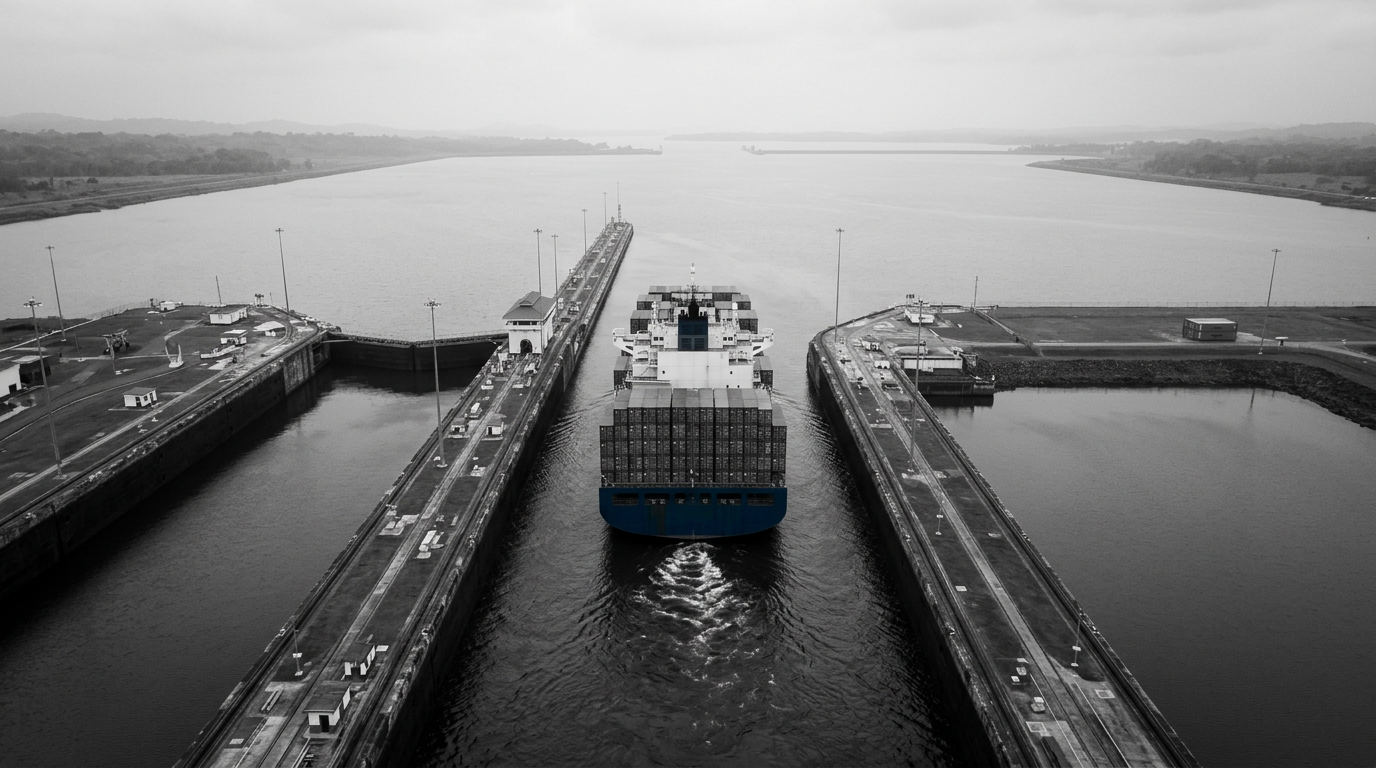
Panama Canal transit costs have surged in recent days as shipping companies scramble to reroute vessels after the closure of the Strait of Hormuz, according to reports cited in the source material. The price to secure a priority slot that allows a ship to bypass the queue has climbed sharply, with figures reaching as high as $4 million . The jump reflects a sudden increase in demand for alternative passages as operators try to protect delivery timelines and avoid extended waiting periods.
The Strait of Hormuz is described in the source as a critical chokepoint for oil shipments, and its closure has forced maritime traffic to seek other routes. As flows are redirected, pressure has intensified on major waterways that can absorb additional volume, including the Panama Canal. The result has been a rapid repricing of expedited access, underscoring how quickly logistics costs can change when a key corridor is disrupted.
For global supply chains, the immediate effect is higher operating expense for carriers and cargo owners that rely on predictable schedules. The source notes that these added costs could be passed through, potentially lifting consumer prices for goods transported via affected routes. Even for shipments not directly linked to the closed strait, congestion and competition for scarce transit slots can ripple across schedules, equipment availability, and freight planning.
The developments also highlight the tight coupling between geopolitics and trade infrastructure. The source attributes the elevated costs to geopolitical tensions affecting strategic maritime arteries, with the Panama Canal becoming a pressure valve when other routes are constrained. In market terms, higher transit and delay-avoidance costs can alter near-term shipping economics, influencing how companies prioritize cargo, allocate vessels, and manage inventory timing.
What remains uncertain is how long the disruption lasts and how stable alternative routes remain. The source states that longer-term implications for international commerce will depend on the duration of the Strait of Hormuz closure and the reliability of substitute passages. Until there is clarity, shippers may continue to pay up for certainty, while importers and exporters face a more volatile cost environment tied to events far from end markets.