SpaceX IPO valuation set at $1.75 trillion
SpaceX IPO plans point to a $1.75 trillion valuation, with reported revenue above $18 billion last year and a $5 billion loss.
Lauren Collins ·
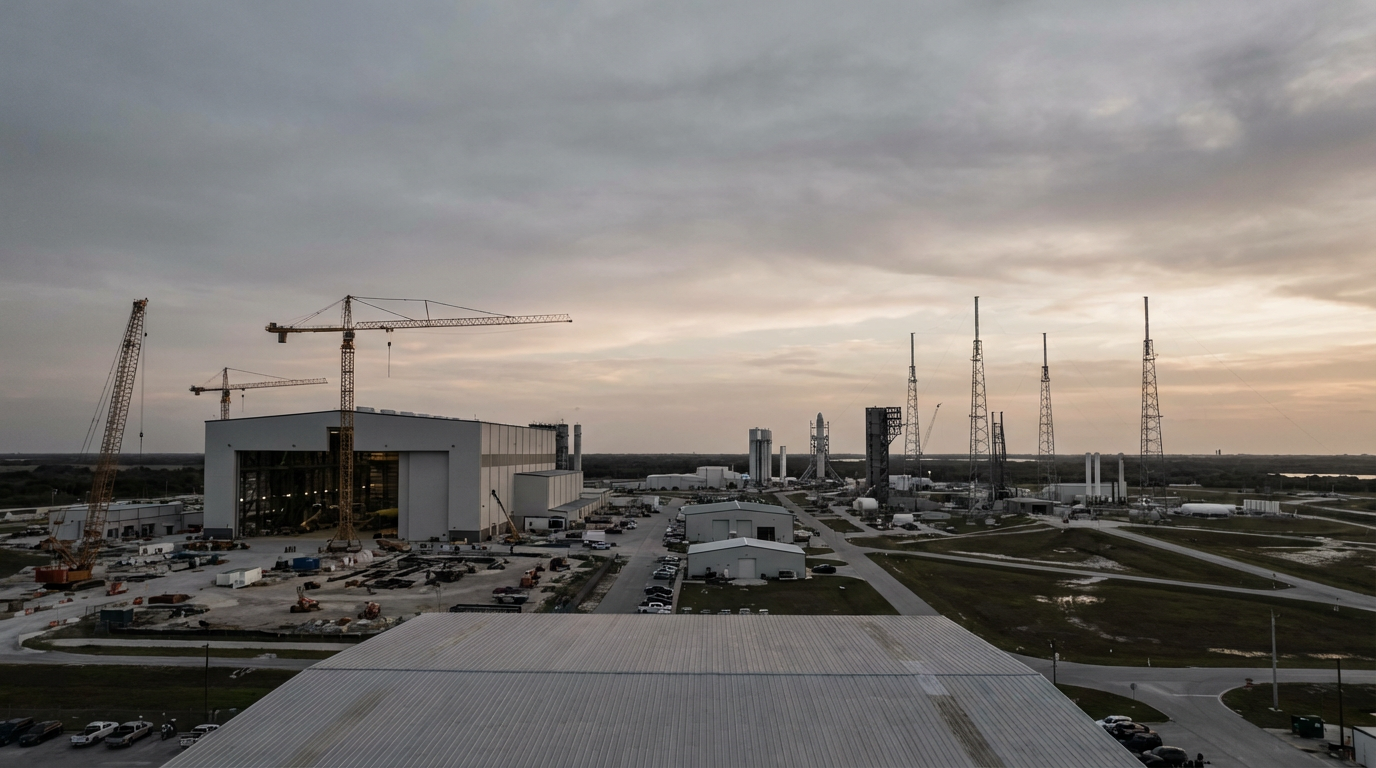
Elon Musk has set an ambitious target for a SpaceX initial public offering, indicating the company should be valued at $1.75 trillion when it eventually sells shares to public investors. The IPO filing remains confidential, leaving limited public detail on performance and financials. Available figures cited by third parties suggest the proposed valuation would require investors to price in substantial future growth beyond the company’s currently visible businesses.
According to The Information, citing two people familiar with the figures, SpaceX generated revenue exceeding $18 billion last year and recorded a net loss of $5 billion. On those numbers, the mooted IPO value implies a multiple of roughly 100 times historical revenue for a company that is not yet profitable.
The prospectus is expected to provide updated information on margins, depreciation, and capital expenditure, but the broad valuation debate is likely to remain centered on future expectations rather than disclosed history.
Details circulating about the offering structure also point to an unusual approach. SpaceX is said to aim to sell $75 billion of shares, representing less than 5% of the company’s overall value, while allocating up to 30% of the shares to retail investors. Separately, index providers are adjusting inclusion rules so passive funds could add SpaceX shares sooner than is typical, a change that could affect demand dynamics once the stock is listed.
Assessing the business case has been framed as four main components: rockets, the Starlink satellite network, the artificial intelligence firm xAI (owned after a merger earlier this year), and a residual category tied to Musk’s longer-range concepts. In launch services, Musk has said SpaceX carries 90% of all mass currently being sent into orbit.
He has also said the company charges around $1,500 per kilo to reach orbit, with a stated goal of reducing that figure by a factor of ten using its newest rocket, which is undergoing tests.
Launch activity has been rising, with the number of launches increasing by nearly a quarter last year to a record 165, though much of that increase came from SpaceX’s own satellites. Rocket revenue was perhaps $4 billion last year, and the business has historically been run at around breakeven. 75 trillion.
Starlink is positioned as the larger near-term revenue engine. Researcher Quilty estimates Starlink is projected to collect $20 billion of revenue this year, more than 50% above what it earned in 2025. Competition is expected to change, with Amazon.com’s rival LEO service not starting until this summer, while Starlink’s margins after satellite depreciation are not publicly known.
xAI adds another major, but uncertain, valuation block. Bloomberg reported the business burned about $8 billion in nine months of last year, and it still trails rivals such as OpenAI and Anthropic. For valuation purposes, one reference point is the $250 billion value Musk assigned to xAI when it was merged with SpaceX.
Beyond these segments, investor interest is also tied to proposals that are earlier-stage and harder to quantify. S. government to operate a data center made up of up to 1 million satellites; using an assumption of 100 kilowatts per satellite, that would equal about 10% of the world’s current data center capacity based on McKinsey estimates.
However, Google estimated in 2025 that launch costs would need to fall below $200 a kilogram for space-based power to match Earth-based costs, compared with SpaceX’s current charge of around $1,500 per kilo.