Iran-U.S. conflict hits Tehran jobs amid outages
Iran-U.S. conflict disrupted Tehran livelihoods as a studio confirmed mass layoffs amid internet blackouts, debts, and supply disruptions.
Lauren Collins ·
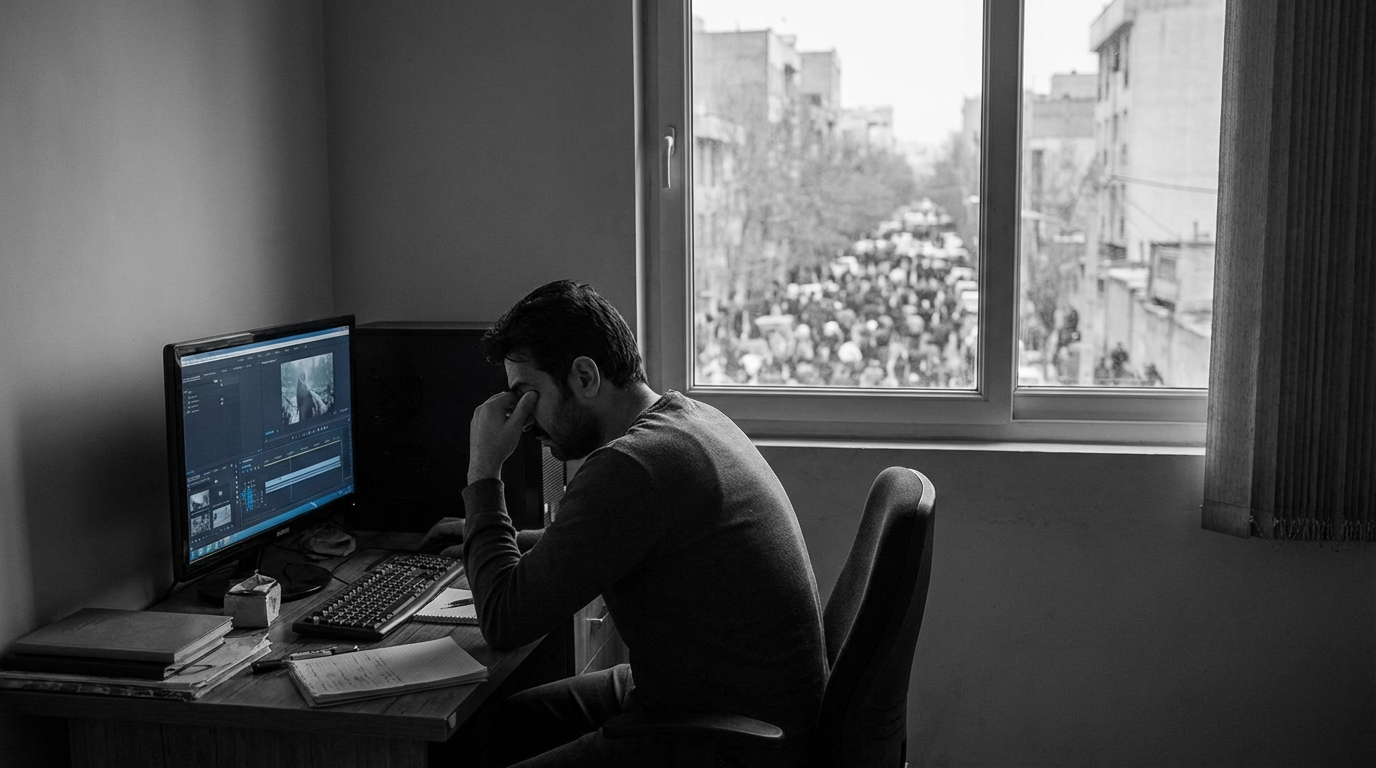
Tehran’s economy is showing strain at the household level after the U.S.-Israel war on Iran disrupted daily life and forced some businesses to cut staff, according to accounts from residents and a local employer.
Sina, a 28-year-old video editing assistant in Tehran, said he lost his job after the conflict began with explosions in the capital. He had built an independent life in Tehran, but said the end of active fighting only brought a temporary ceasefire rather than a clear path back to stable work. He described his job prospects as severely limited in the aftermath.
The video content creation studio where he worked later confirmed that it had laid off most of its staff. Sina said the studio’s decision was driven by mounting debts and repeated internet blackouts that made operations difficult. He said the layoffs left him and many others without severance, adding to uncertainty about how long it may take to find new income.
Beyond job losses, Sina described a citywide breakdown in routine during the conflict, including internet outages and gridlocked transportation. He said the blackouts cut him off from online activities, deepening a sense of isolation. He also described a period marked by anxiety and boredom as the situation unfolded.
He said supply chain disruptions and price increases made it harder to obtain everyday items, including cigarettes. In his account, shortages and higher costs became part of the daily stress, alongside the broader disruption to movement and communications. The combination of outages and transport congestion, he said, made even basic errands more complicated.
Sina pointed to March 5 as a particularly intense moment, describing a barrage of explosions that shook him and his grandmother. He said his grandmother remarked on the absence of warning sirens, contrasting it with what she remembered from earlier conflicts. The experience, he said, reinforced how unpredictable the situation felt for civilians.
By March 17, the studio confirmed the mass layoffs, leaving Sina unemployed and weighing what to do next. He said his family urged him to leave Tehran and return to his hometown of Neyshabur, reflecting a wider pattern of economic displacement as people reassess whether they can afford to remain in the capital. For Sina, the ceasefire has not resolved the immediate problem of income, and he said the outlook remains uncertain.