Trump hints Iran war may end as markets rally
Trump said on April 15, 2026 the Iran conflict may be nearing an end, lifting global stocks and steadying oil below $100 a barrel.
Lauren Collins ·
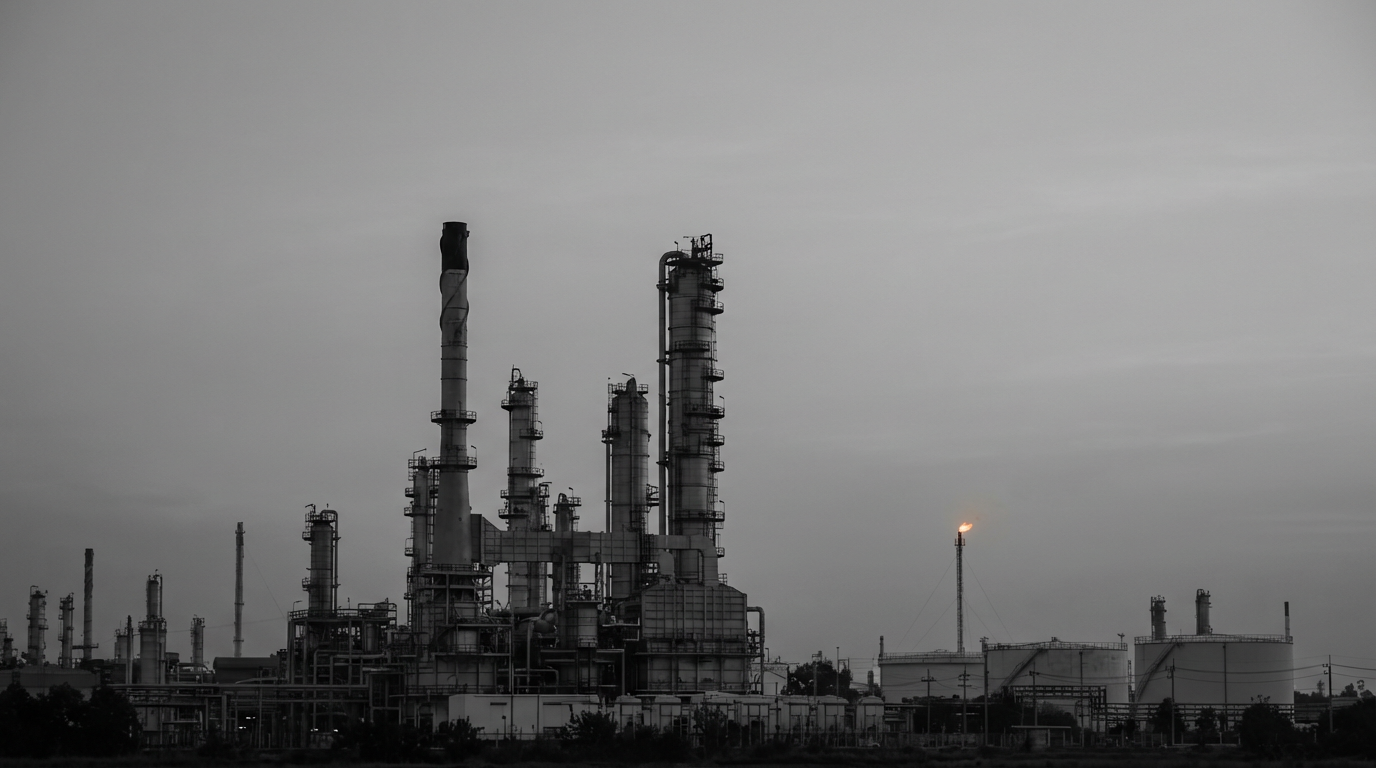
U.S. President Donald Trump said on Wednesday, April 15, 2026, that the conflict with Iran could be nearing an end, language that coincided with a broad rise in global markets and steadier energy pricing. He indicated that peace discussions with Iran might restart within two days and suggested there had been meaningful progress, without providing details.
The comments marked a softer tone from Washington after a period of elevated tensions that included a U.S. blockade of the Strait of Hormuz. That shift helped lift investor sentiment, with stock markets advancing and several major indexes clawing back losses that had built up since the conflict began in February.
Energy markets also reacted. Oil prices recovered part of earlier declines after a prior slump, while crude stayed below $100 a barrel as expectations grew that negotiations could continue. The move in prices came alongside signs of reduced immediate fear in markets, even as the underlying policy posture remained unchanged.
Despite the more optimistic messaging, the United States is still maintaining its blockade of the Strait of Hormuz, an action that has affected oil shipments. The continued restriction underscores that operational conditions in a key global transit route have not yet normalized, even as traders weighed the possibility of renewed diplomacy.
Separately, the U.S. Treasury Department confirmed that a waiver permitting purchases of certain Iranian crude oil is set to expire this weekend. The timing adds another near-term policy milestone for energy buyers and refiners tracking supply options tied to Iranian barrels.
The conflict has already disrupted global oil and gas flows, contributing to elevated retail gasoline and diesel prices in the United States. It has also been linked to a projected annual decline in global oil demand, reflecting the way supply interruptions and price volatility can feed back into consumption patterns across regions.
For now, markets are balancing two competing signals: public indications of possible talks and progress, and the continuation of measures that constrain shipping and potentially tighten supply. With Trump offering no specifics on the nature of the reported progress, the durability of the market reaction remains tied to whether negotiations resume on the timeline he outlined and whether policies affecting flows through the Strait of Hormuz change.