Oil Giant's Profits Soar Amid Mideast Tensions
BP profit rose to $3.2bn in Q1, beating forecasts as oil trading benefited from the Iran war; net debt increased to $25.3bn.
Atlas Newsdesk ·
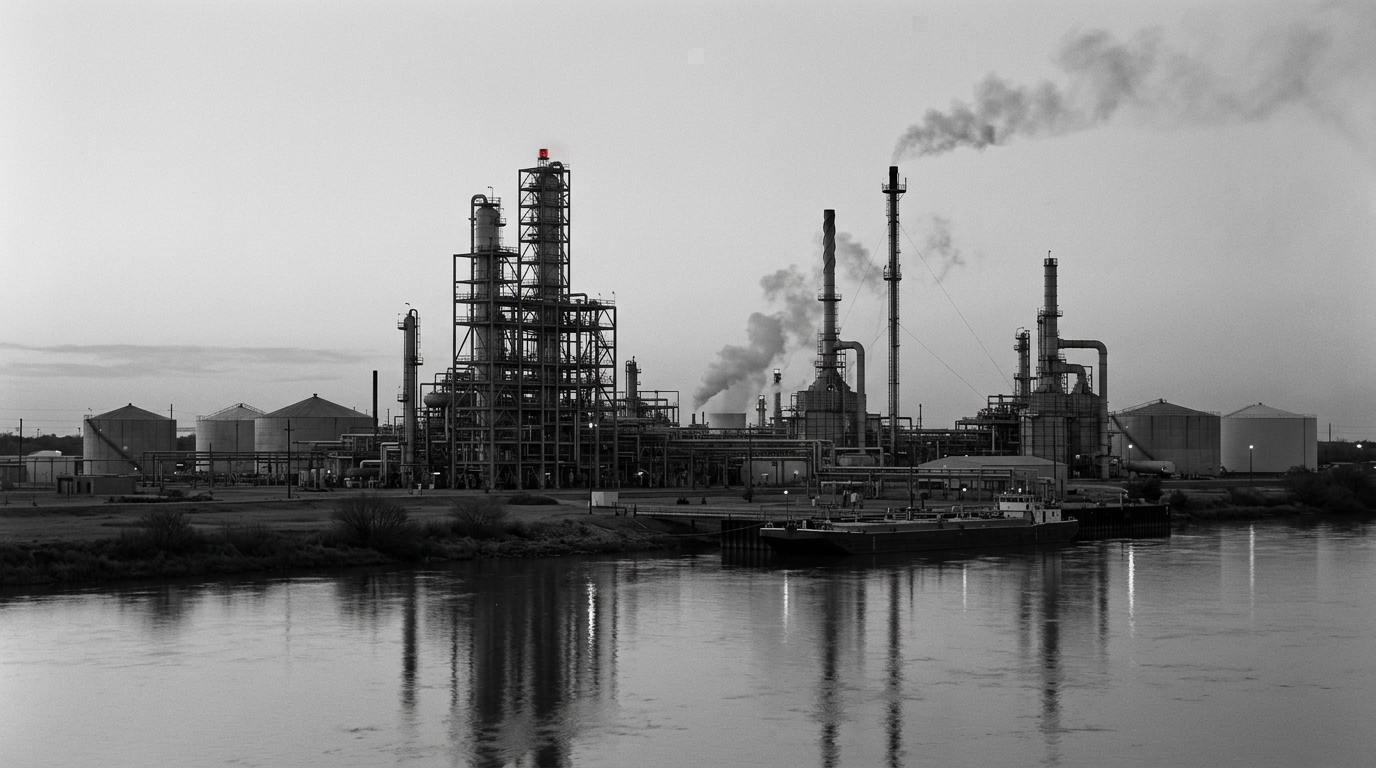
BP said on Tuesday that its first-quarter profit more than doubled from a year earlier to $3.2 billion, the company’s strongest result in about two-and-a-half years. The British oil major said the performance beat analyst expectations, with oil trading a key driver as the Iran war influenced market conditions.
The company reported underlying replacement cost profit of $3.2 billion, a metric it uses as a proxy for net income. Analysts had expected $2.67 billion, and BP posted $1.38 billion in the same period last year.
Trading-led strength in customers and products
BP said its customers and products business, which includes trading, delivered $3.2 billion in profit before interest and tax. That compared with an average analyst estimate of $2.5 billion, underscoring how trading results shaped the quarter.
BP linked the strong oil trading outcome to conditions influenced by the Iran war. The company also said fuel margins are expected to remain sensitive to supply costs and developments in the Middle East.
Other units slightly below expectations
BP said results in its gas and low carbon unit, as well as its oil production and operations business, came in slightly under expectations. The company did not change the headline profit figure tied to those segments, but flagged the softer-than-expected performance alongside the trading strength.
Looking ahead, BP said it expects reported upstream production to be lower in 2026 because of the ongoing conflict. The company did not provide a new production number in its statement, but framed the outlook as a consequence of continued disruption.
Debt, working capital, and hybrid bond plans
BP said it plans to cut its hybrid bonds by about $4.3 billion, bringing the total to around $9 billion. Hybrids are a form of financing that can sit between debt and equity in company capital structures.
At the same time, BP said net debt is expected to rise to $25.3 billion at the end of the first quarter, up from just over $22 billion in the previous quarter. The company attributed the increase largely to working capital movements of $6 billion, which it said were boosted by the impacts of the Iran war.
BP’s update highlights how geopolitical conflict can quickly reshape earnings within integrated oil companies, particularly through trading and margin-sensitive businesses. The company said the durability of fuel margins will depend on supply costs and Middle East conditions, leaving a key element of near-term performance tied to factors outside its direct control.
Implications
Country Impact: For the UK-based company, the results show how earnings can swing with trading conditions tied to the Iran war. BP also signaled that reported upstream production could fall in 2026 due to the ongoing conflict.
Industry Impact: The update underscores the role of trading within integrated oil majors when conflict affects supply routes and pricing. BP also warned that fuel margins remain sensitive to supply costs and Middle East conditions.
Market Impact: BP’s profit beat expectations, while the company also pointed to higher net debt driven by $6 billion in working capital movements. Its plan to reduce hybrid bonds by about $4.3 billion to around $9 billion signals a shift in its financing mix.