US-Iran Talks Falter, Oil Prices Surge
Oil prices rose on April 22 as US-Iran talks stalled and the Strait of Hormuz stayed effectively closed, pushing Brent above $109 briefly.
Atlas Newsdesk ·
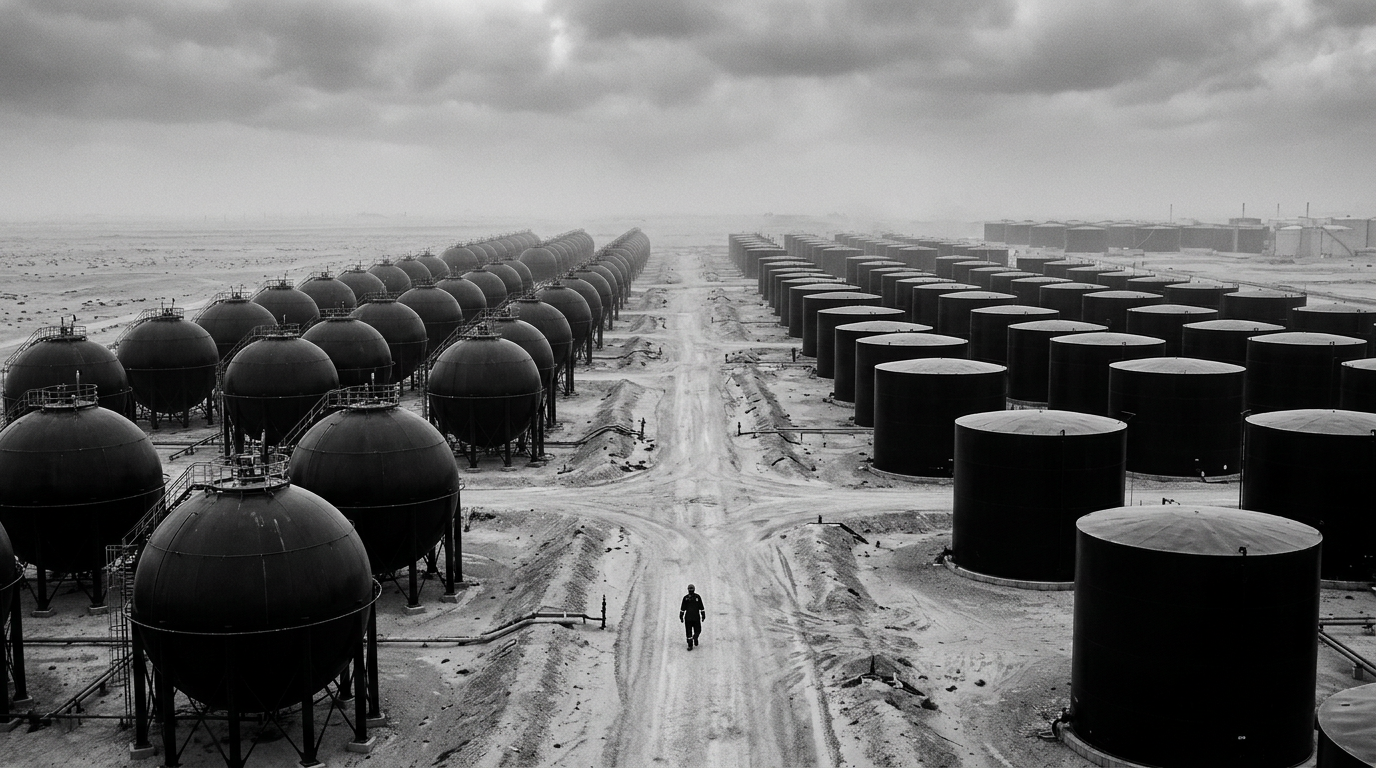
Oil prices climbed on Monday, April 22, as markets reacted to a lack of progress in peace talks between the United States and Iran and continued disruption around the Strait of Hormuz.
Brent crude, the global benchmark, gained more than 3% and moved above $109 a barrel before easing back slightly. The move reflected renewed concern about the reliability of global energy supplies, with traders focused on whether the conflict involving Iran will ease in a way that restores normal shipping conditions.
Strait of Hormuz disruption keeps supply fears elevated
The rise in prices came as the Strait of Hormuz remained effectively closed since the start of the Iran conflict. The waterway is a critical route for energy flows, and its continued shutdown has kept supply risks at the center of market pricing.
About one-fifth of the world’s crude oil and liquefied natural gas (LNG) typically passes through the Strait of Hormuz. With that transit constrained, the market has faced heightened uncertainty over how quickly producers and buyers can adjust logistics and sourcing.
Trump cancels Pakistan plan; Iran cites Oman channel
U.S. President Donald Trump said on Saturday, April 20, that he had canceled plans to send a negotiating team to Pakistan. He attributed the decision to what he described as internal disarray within Tehran’s leadership.
On the Iranian side, Foreign Minister Seyed Abbas Araghchi said discussions with Oman were continuing on bilateral issues and regional developments. He also stressed the importance of safe transit through the Strait of Hormuz, a point closely watched by energy markets given the route’s role in global supply.
Regional diplomacy extends to Russia as traders seek clarity
Araghchi also traveled to St. Petersburg for talks with Russian President Vladimir Putin, adding another diplomatic track as the conflict continues to shape regional alignments and market expectations.
Officials have not provided a clear timeline for any breakthrough that would reopen the Strait of Hormuz or reduce the risk of further disruption. That uncertainty has contributed to sharp price moves as traders reassess near-term supply conditions.
Market participants have indicated they are looking for tangible signs of de-escalation rather than ceasefire arrangements they view as fragile. Until there is clearer evidence that tensions are easing and shipping can resume reliably, oil prices are likely to remain sensitive to developments tied to negotiations and maritime security.