English Firefighters Face Triple Suicide Callouts
Fire service suicide callouts in England hit 3,250 in the year to Sep 2025, tripling since 2009-10, prompting training calls.
Ayla Demirhan ·
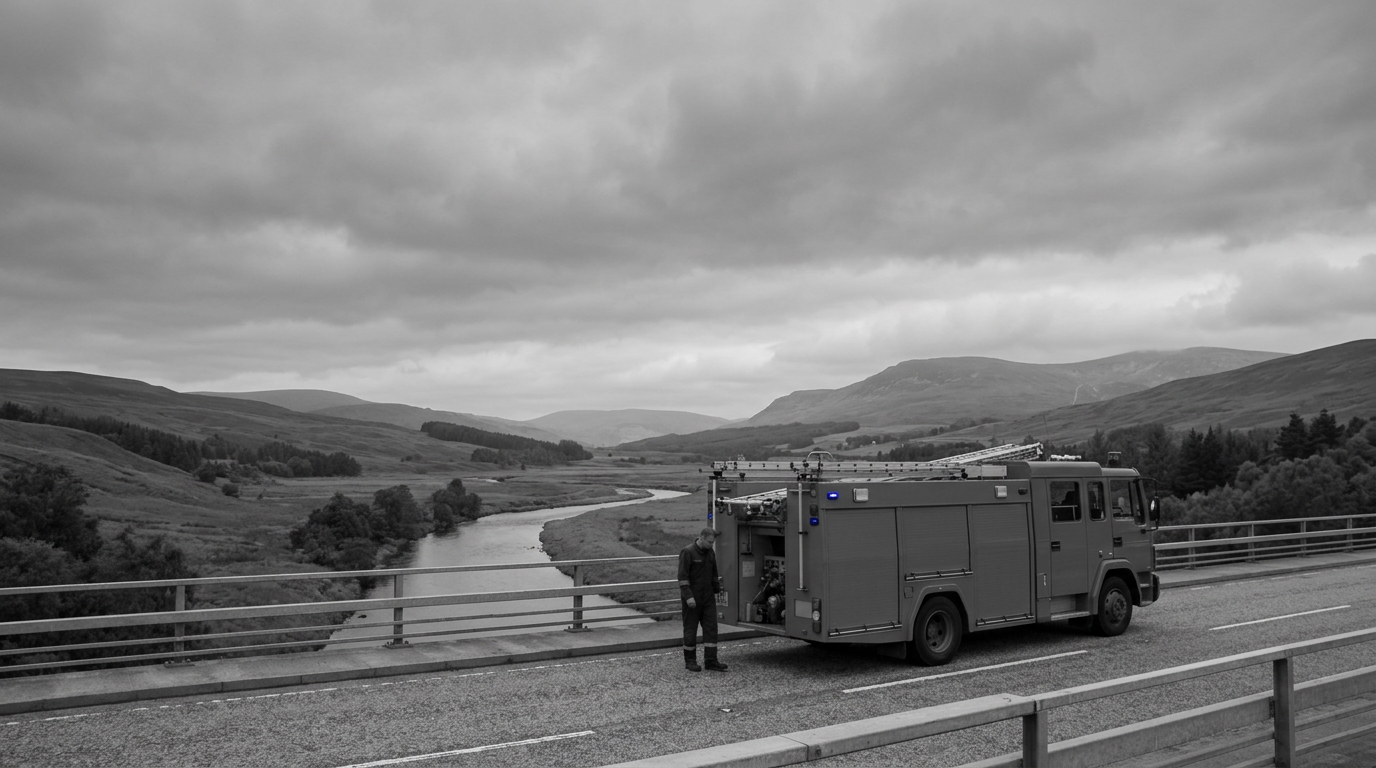
Suicide-related callouts handled by fire and rescue services in England have tripled over the past decade , according to figures cited by Samaritans, which is urging the government to make suicide intervention training mandatory for firefighters.
In the year ending September 2025, English fire services attended 3,250 suicide callouts, an average of 62 incidents each week. The comparable figure in 2009-10 was 997, the first year such data was recorded, highlighting the scale of the increase since formal collection began.
Samaritans said the rise means firefighters are increasingly arriving at incidents where they may need to make rapid, life-saving decisions. The charity argued that, despite the nature of these situations, there is no formal requirement for mandatory suicide intervention training for fire service personnel, even though firefighters can be among the first responders on scene.
The charity contrasted this with policing, noting that the government has mandated trauma and suicide prevention training for new police recruits. Samaritans said equivalent provisions are not in place for firefighters, and it has asked for that gap to be addressed through training and resources.
Samaritans said it has formally written to Fire Minister Samantha Dixon to seek action to ensure firefighters receive comparable support. The request focuses on equipping crews with skills and tools that match the realities of the incidents they are increasingly attending.
The figures sit alongside a broader rise in suicides recorded in England. The number of registered suicides reached 5,717 in 2024, up by 61 from 2023, and the data shows an upward trend since 2017.
Fire and rescue services are typically called to suicide-related incidents when specialist capabilities are needed, including breathing apparatus or equipment for working at height or in water. These deployments often occur alongside paramedics and police, placing fire crews within multi-agency responses where roles can shift quickly depending on the risks and conditions at the scene.
While the call for mandatory training is clear, the source material does not specify what training currently exists across different fire services, how consistently it is delivered, or how outcomes are measured. It also does not detail how suicide callouts are defined in the data, which can affect comparisons over time as recording practices evolve.
The issue has implications for public services and workforce readiness, as the volume of incidents described by Samaritans suggests sustained operational exposure for fire crews. The charity’s request to the Fire Minister places the focus on whether national standards for training and resourcing should be aligned across emergency services as suicide-related demand rises.