Lucky Strike faces proposed U.S. class action alleging antitrust violations and higher bowling prices
Lucky Strike Entertainment faces a class-action lawsuit alleging illegal price hikes and reduced quality through market dominance in the U.S. bowling industry.
Atlas Newsdesk ·
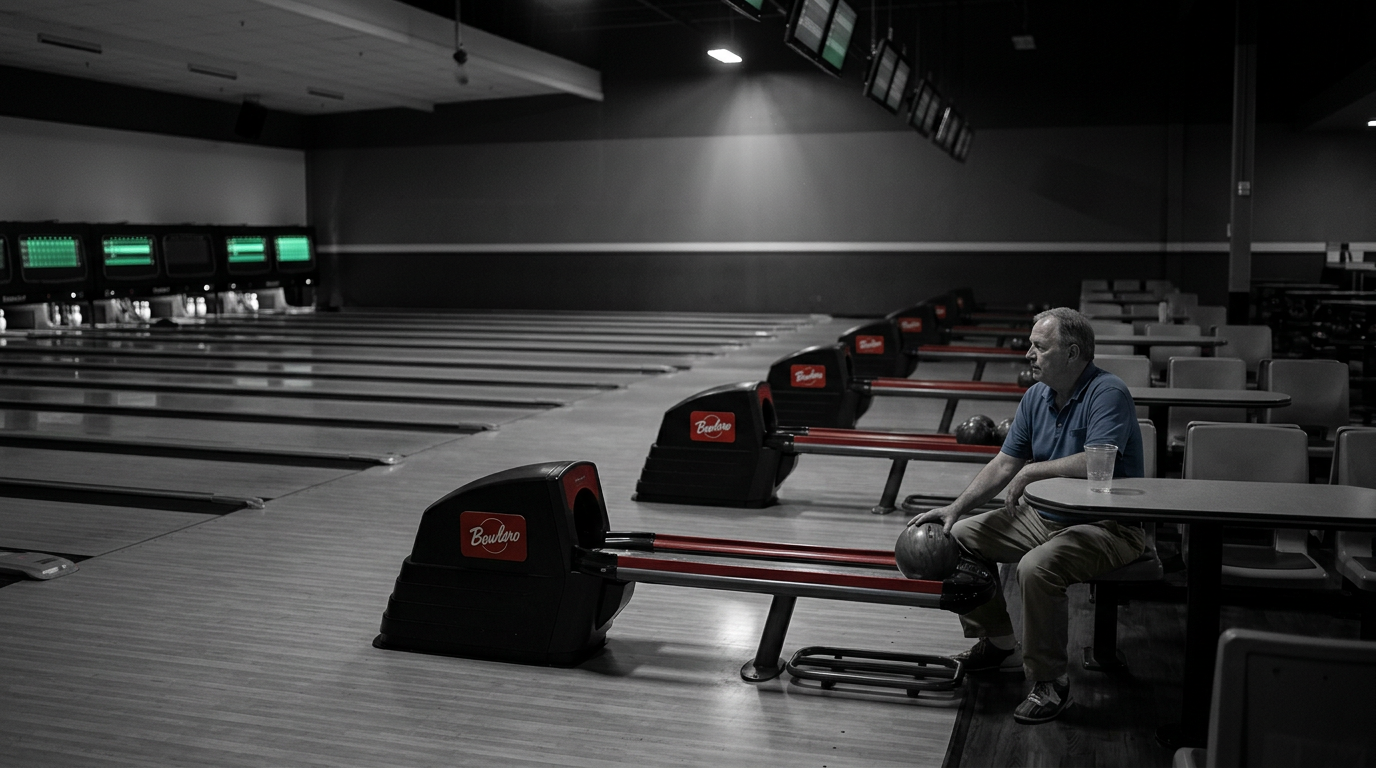
Lucky Strike Entertainment, which owns Bowlero and AMF bowling centers, is facing a proposed class-action lawsuit that alleges it used acquisitions to consolidate the U.S. bowling industry and then raised prices while cutting service quality.
The complaint was filed Wednesday in federal court in Seattle by 11 patrons from multiple states. The plaintiffs are seeking class certification on behalf of at least thousands of other bowlers.
Allegations The lawsuit alleges Lucky Strike and its subsidiaries violated federal antitrust law and state consumer-protection statutes by acquiring hundreds of competing bowling centers nationwide.
According to the complaint, the consolidation enabled the company to increase prices for lane rentals, shoe rentals, and food and beverages, while reducing maintenance, staffing levels, and operating hours.
The suit says Bowlero operates more than 350 bowling centers in North America and controls about 35% of U.S. bowling revenue.
What the plaintiffs are seeking The plaintiffs are seeking unspecified monetary damages and a court order unwinding certain past acquisitions. They are also asking the court to bar Lucky Strike from making additional acquisitions in bowling and related markets.
Company response Lucky Strike, formerly known as Bowlero Corp, called the lawsuit a “meritless attempt by a startup plaintiffs’ firm to generate headlines,” and said the market is competitive and it plans to defend the case.
The case is Benjamin Doehr et al v. Lucky Strike Entertainment et al, U.S. District Court for the Western District of Washington, No. 2:26-cv-01535.