Live Music's New Beat: Concert Films Drive Revenue
Concert films and livestreams are becoming key revenue drivers for the music industry, expanding artist monetization and audience engagement.
Ayla Demirhan ·
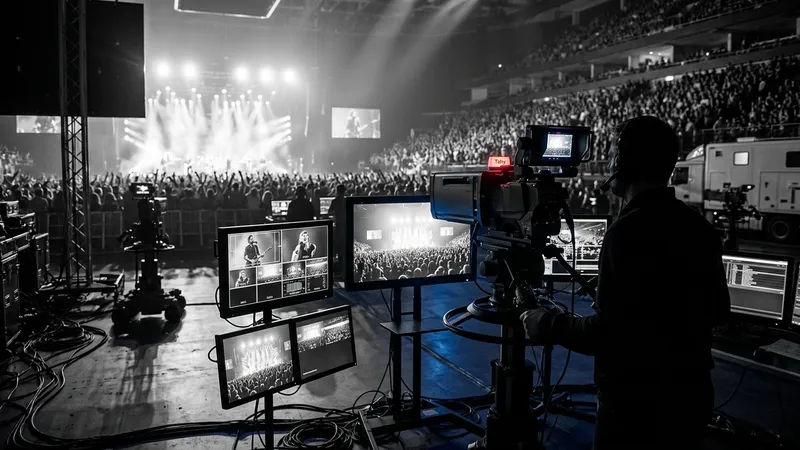
The music industry is increasingly leveraging concert films and livestreamed performances as a new revenue stream. This trend provides artists with additional financial support and expands audience reach beyond traditional live events.
Major artists have demonstrated the commercial viability of this model. One artist's concert film grossed over $260 million globally, indicating substantial market demand.
Another artist's upcoming 3D concert film, developed with advanced cinematic technology, aims to further capitalize on this market. Similarly, a prominent K-Pop group attracted 18.4 million global viewers for a livestreamed event, with ticket prices ranging from $47 to $114.
This shisources introduces new monetization strategies for intellectual property. However, it also raises concerns among some consumers regarding potential exploitation and the perceived value proposition compared to in-person experiences.
Industry observers note that artists face pressure to maintain high visibility across digital platforms. This includes social media and streaming services, which are crucial for fan engagement and brand development.
The increasing digitization of music consumption presents both opportunities and challenges for artists and labels. While offering new avenues for revenue and audience interaction, it also necessitates adaptation to evolving consumer expectations and market dynamics.