Beijing's Gulf Investment Boom Reshapes Regional Alliances
China Gulf investment has surged, with AidData showing $2.34 for every $1 from the US in 2014–2023, reshaping regional ties.
Atlas Newsdesk ·
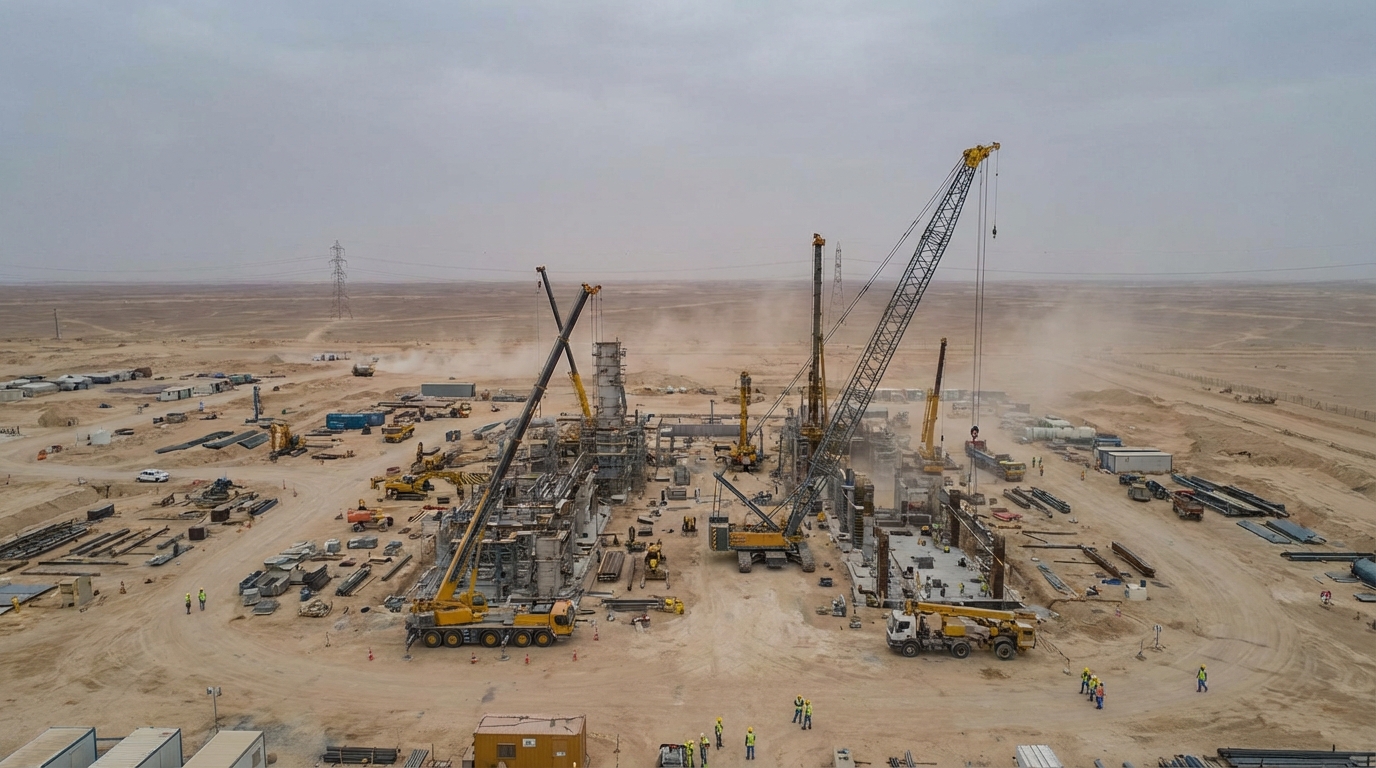
China’s financial role in the Middle East has expanded sharply, outpacing the United States over the past decade and reshaping how regional relationships are managed. New data from AidData indicates that between 2014 and 2023, Beijing’s financial engagement in the region equaled about $2.34 for every dollar Washington provided in loans or aid. Officials and researchers tracking these flows describe the Middle East as a leading beneficiary of President Xi Jinping’s Belt and Road Initiative.
The same AidData figures point to a broader shift in where Chinese capital is being deployed. The pace of Chinese investment and construction activity in the Middle East now exceeds that of any other region globally, according to the data cited. That change has elevated Gulf economies as a central destination for Chinese state-backed and private firms seeking large projects and long-term commercial footholds.
The acceleration became more pronounced after the global pandemic, as interests on both sides aligned. Chinese companies facing an economic slowdown at home moved more aggressively to find growth opportunities abroad. At the same time, Gulf states intensified efforts to diversify their economies away from fossil fuels, creating demand for partners able to deliver large-scale development plans.
In that environment, Chinese firms positioned themselves in sectors that matched Gulf priorities, including green technology, tourism, and major infrastructure. The source material describes these areas as a close fit with regional development goals, helping explain why the post-pandemic period saw a stronger push by Chinese companies into Gulf markets. For Beijing, the oil-rich Gulf also offered a destination viewed as comparatively stable for capital deployment.
The stability argument is framed in contrast to other developing-country exposures. The source notes that as countries such as Zambia and Sri Lanka experienced debt defaults, the Gulf’s fiscal position appeared more secure, making it a more attractive bet for Chinese enterprises and financiers. This relative confidence has supported a deeper economic integration between China and Gulf Arab states.
China remains one of Tehran’s most important international allies, but the scale of its expanding interests across the Arabian Peninsula is described as a constraint. With Beijing’s economic fortunes increasingly linked to the stability and prosperity of Iran’s regional rivals—especially Saudi Arabia and the United Arab Emirates—Chinese diplomacy faces a more complex balancing task.
The source material says this dynamic encourages a pragmatic approach that prioritizes stability to protect capital investments and commercial contracts, even when that complicates ideological alignment with Tehran. How China manages these competing relationships, and how its economic exposure influences its regional posture, remains an area of uncertainty as its investment and construction presence continues to grow.